GWK Statue, a Modern Masterpiece of Balinese Architecture
Step onto Bali and you will be captivated by more than just its natural beauty. Bali's unique charm is not only rooted in its breathtaking natural beauty, but also its distinctive Balinese architecture. This artistic achievement in the form of architecture tells stories of ancient traditions, spiritual beliefs, and profound respect for nature. Wondering what makes Balinese architecture special? We'll guide you through its fundamental principles, core elements, and how they're applied in modern monuments like the GWK statue. Furthermore, we will show you how to experience this architectural marvel firsthand.
Understanding the Essence of Balinese Architecture
- Philosophical Foundations
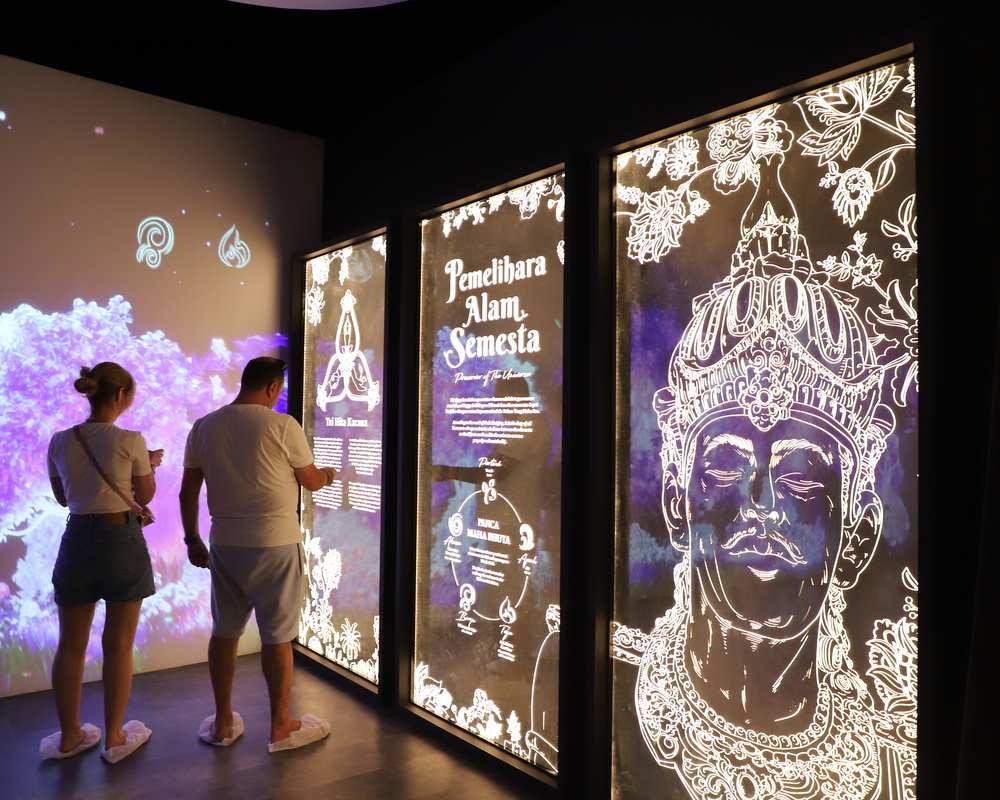
The guiding principle of Balinese life and architecture is Tri Hita Karana which emphasizes harmony with God, humans, and nature. The implementation aims to create a harmonious, peaceful, and prosperous life. Balinese people also implement Asta Kosala Kosali. This is the guiding rule regarding the layout of rooms and buildings according to philosophical, ethical, and ritual foundations.
- Key Elements & Characteristics
- Open-Air Design: This particular design aims to embrace the tropical climate and natural surroundings.
- Natural Materials: Balinese architecture mostly uses natural materials such as local stone (volcanic rock, limestone), wood, bamboo, and thatch.
- Intricate Carvings & Ornamentation: Balinese people often decorate buildings with symbolic motifs depicting deities, mythological creatures, and natural elements.
- Courtyard Layouts: Balinese people usually build homes and temples around central courtyards.
- Sacred Spaces: Within Balinese buildings, there's an elaborate gate that acts as a clear delineation between profane and sacred areas.
- Integration with Landscape: Last but not least, the design of most Balinese architecture aims to blend the buildings with the natural terrain.
Balinese Architecture in the Making of the GWK Statue: A Modern Masterpiece
- Cultural and Religious Foundations

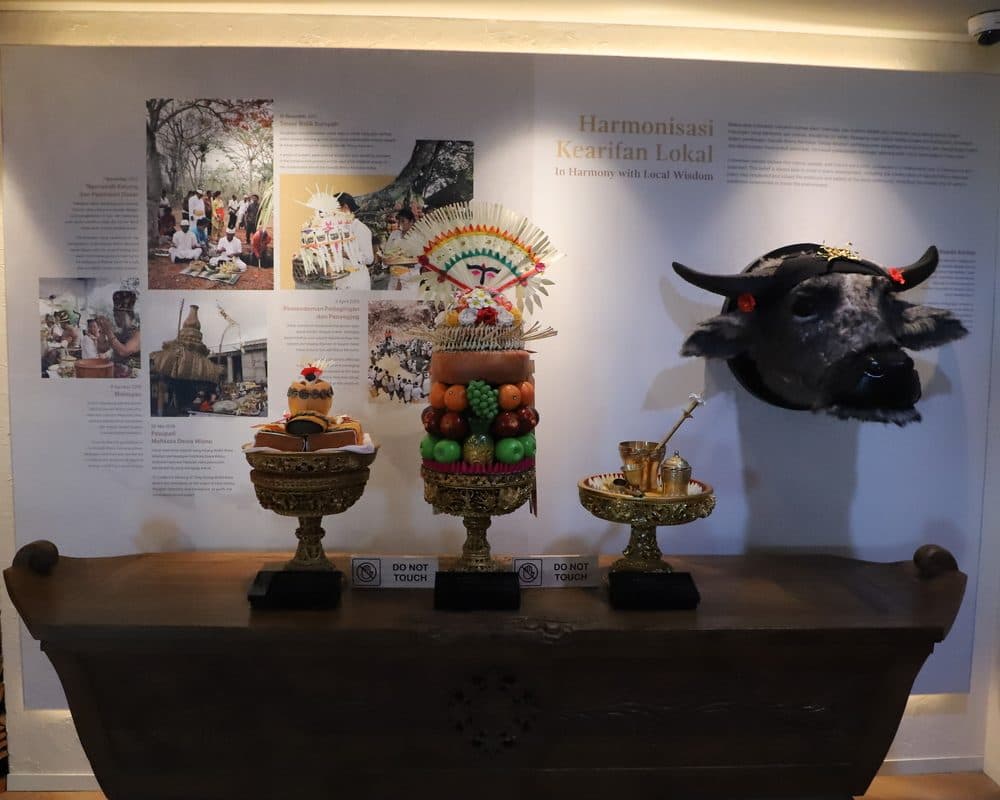
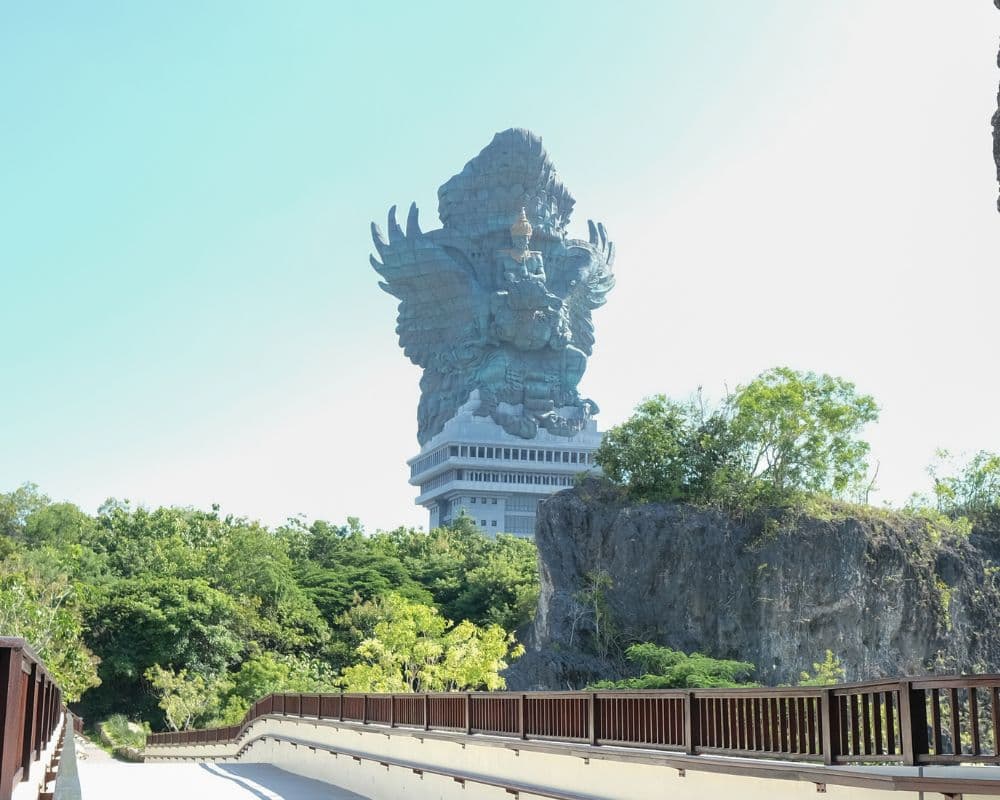
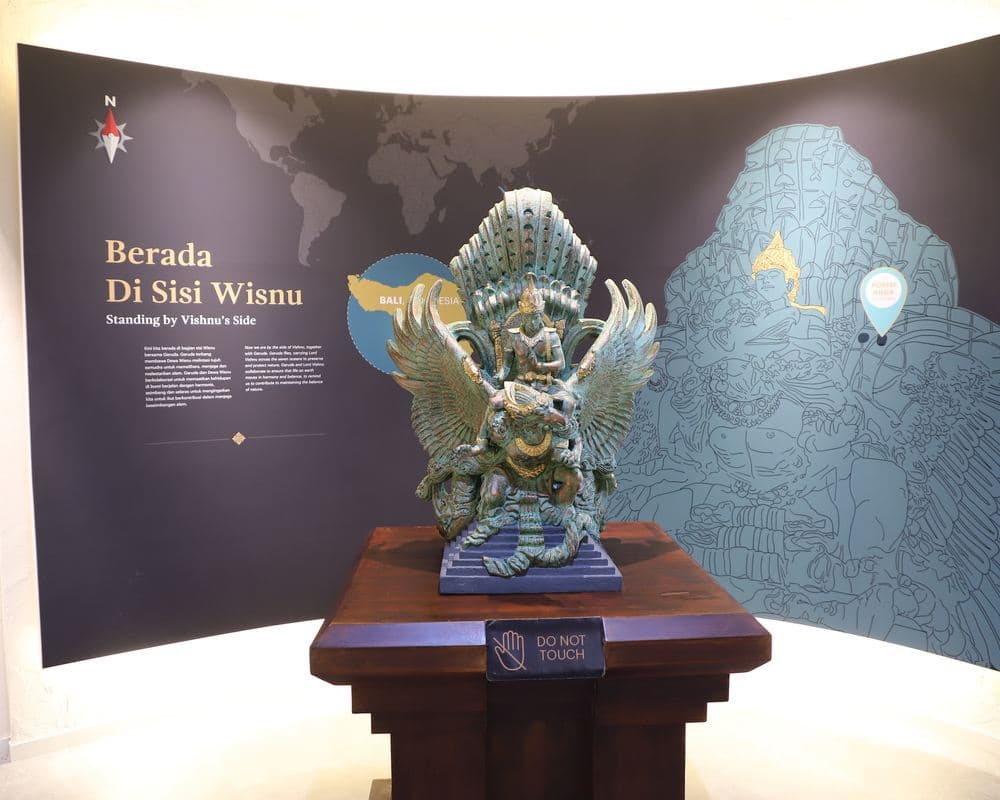
The Garuda Wisnu Kencana (GWK) statue is more than just a monument; its very essence is rooted in Hindu Balinese mythology and philosophical values. Prior to its construction, traditional ritual ceremonies and offerings, which include buffalo head burial, are held to purify and bless the land, ensuring the harmony with nature and its surrounding area.
- Design Process


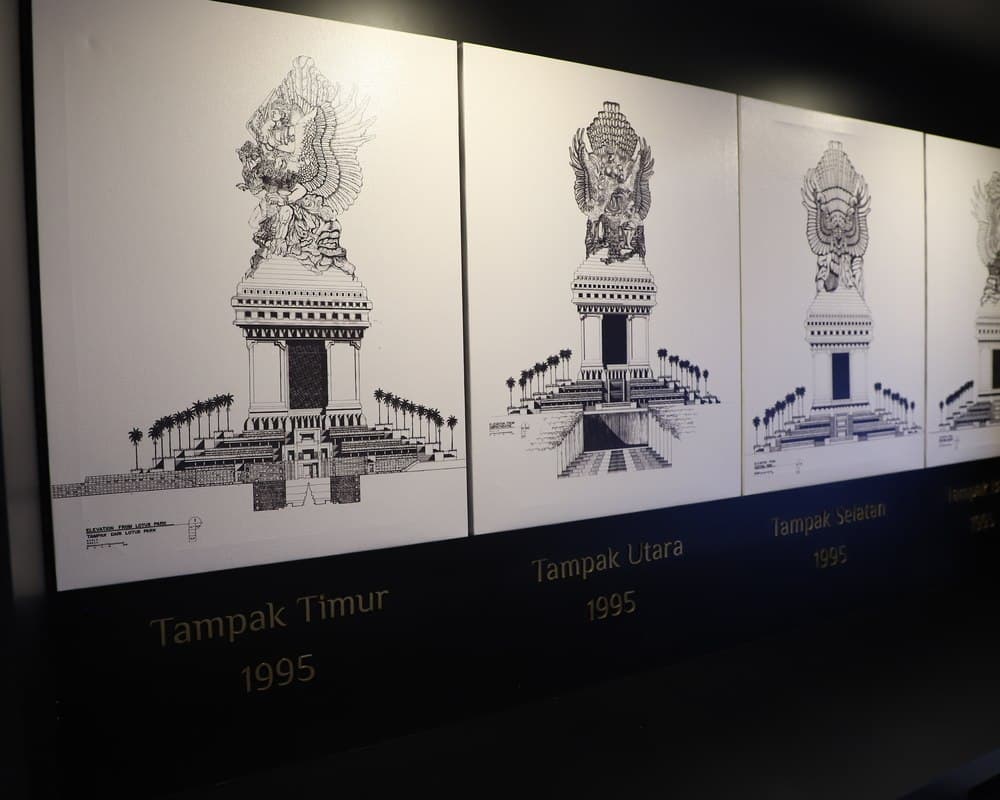
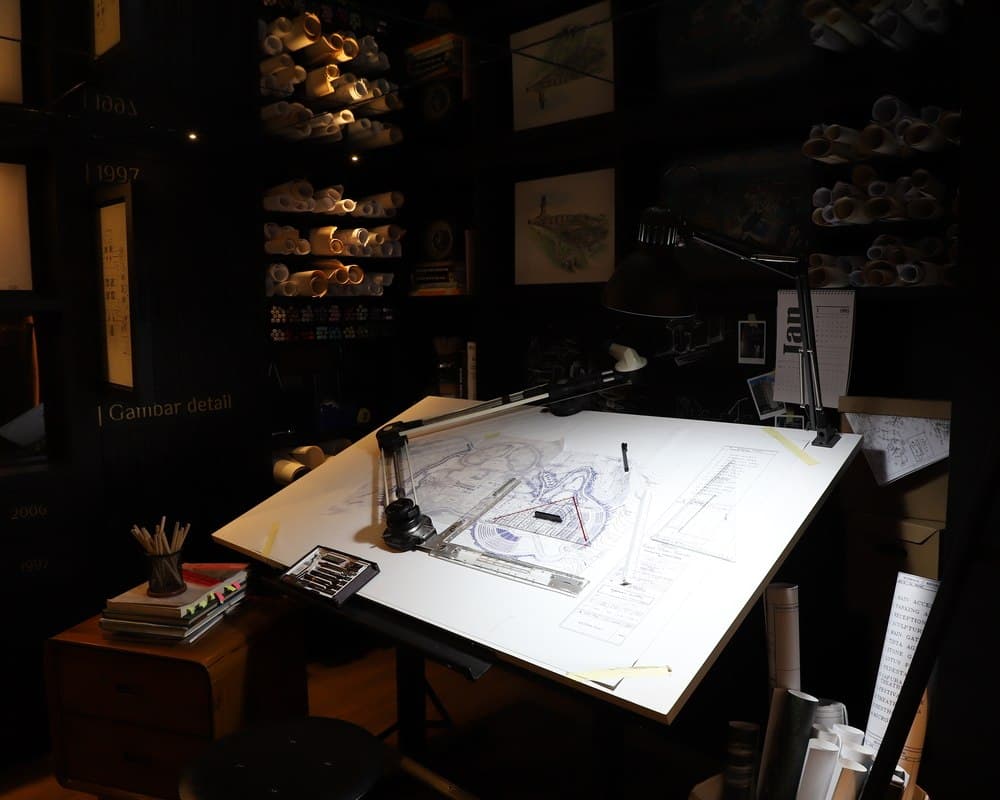
Within GWK Cultural Park, visitors can gain insight into the architectural planning through a recreation of an architect's workspace, showcasing sketches, design plans, and sample materials
- Material and Ornamentation

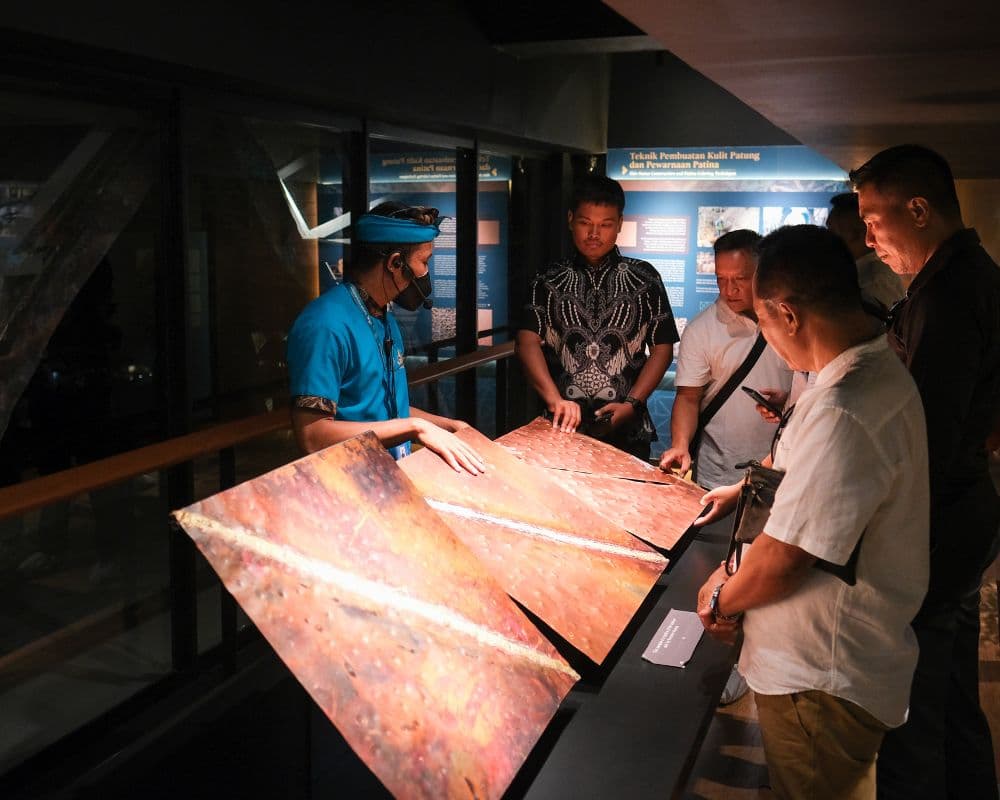
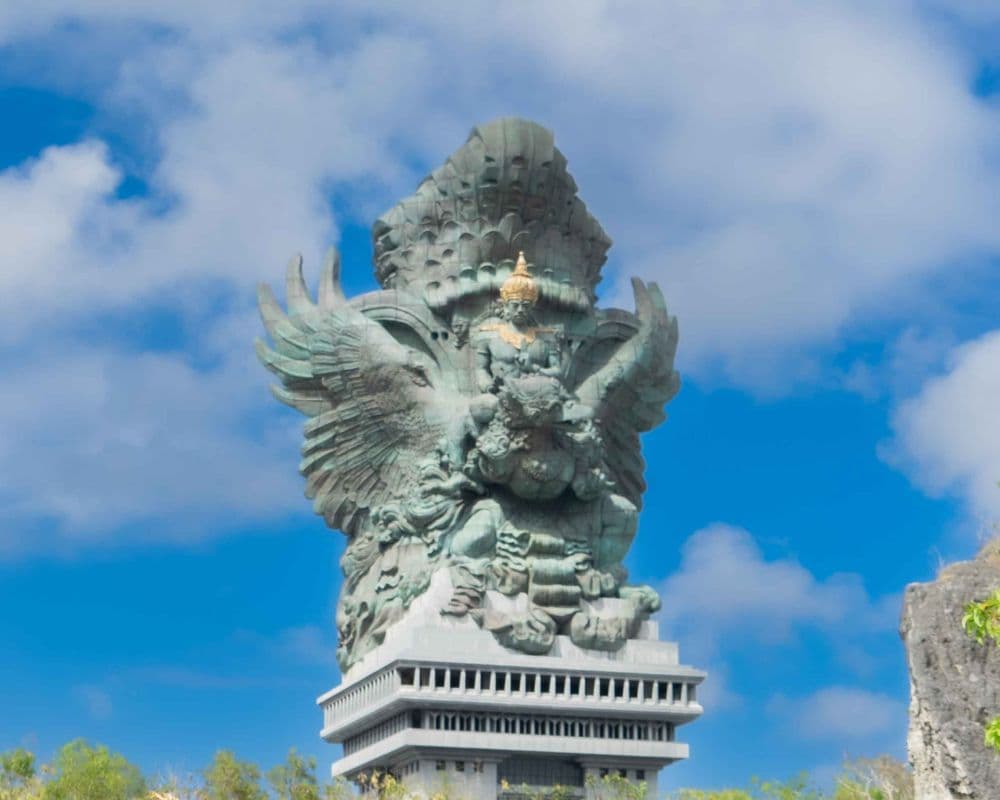
The statue's exterior features copper sheeting adorned with temple-like ornamentation and gold mosaic tiles on Vishnu's crown reflecting traditional Balinese decorative artistry and attention to detail.
- Integration of Nature and Landscape

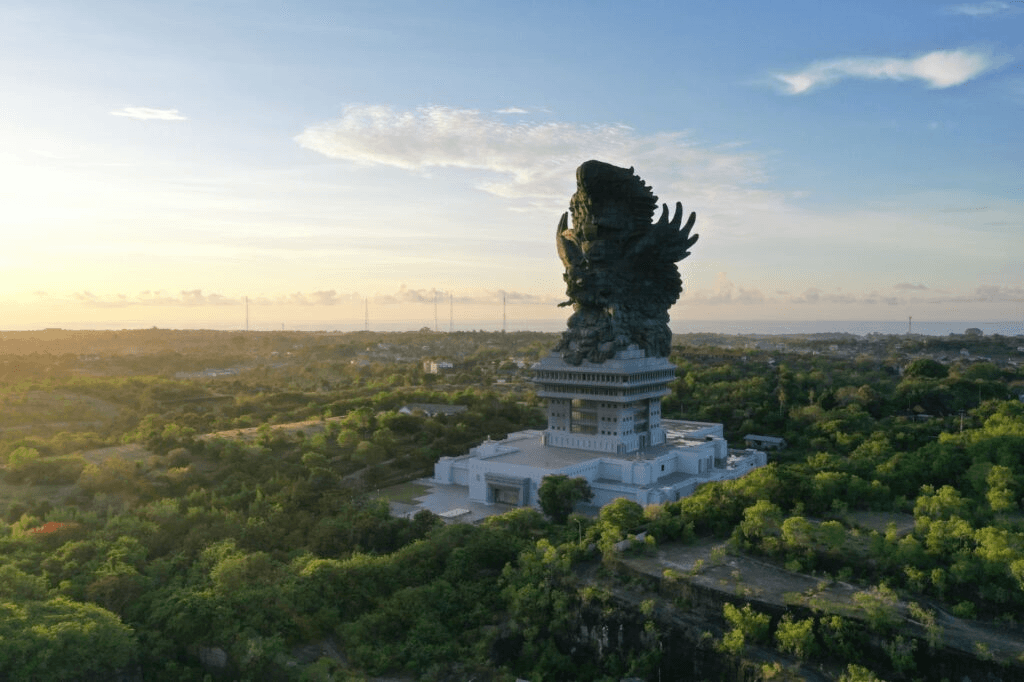
The thoughtful positioning and structure of the statue on a former limestone quarry in Ungasan perfectly reflects Balinese sensitivity to terrain and landscape in architectural decisions. It stands as a testament to building in harmony with the environment.
- Cultural Harmonization in Construction
The GWK statue symbolizes a modern masterpiece that seamlessly blends traditional Balinese cultural elements with contemporary monumental sculpture. It's a powerful example of harmonization of tradition and modernity that shows how ancient wisdom can inform cutting-edge design. Curious about the making of this architectural marvel? The Top of the Statue Tour at GWK Cultural Park is where you can learn all about this magnificent statue.
Experience the GWK Statue with the Top of the Statue Tour


The Top of the Statue Tour offers visitors a unique opportunity to ascend to the statue's highest accessible points. From this vantage point, you will not only enjoy breathtaking panoramic views of Bali, but also gain a deeper appreciation for the statue's intricate design and the architectural principles discussed. In this tour, you will be accompanied by guides who provide insights into the construction and symbolism. This tour is truly an unparalleled opportunity to witness the grandeur of Balinese architectural ambition and its spiritual significance up close.

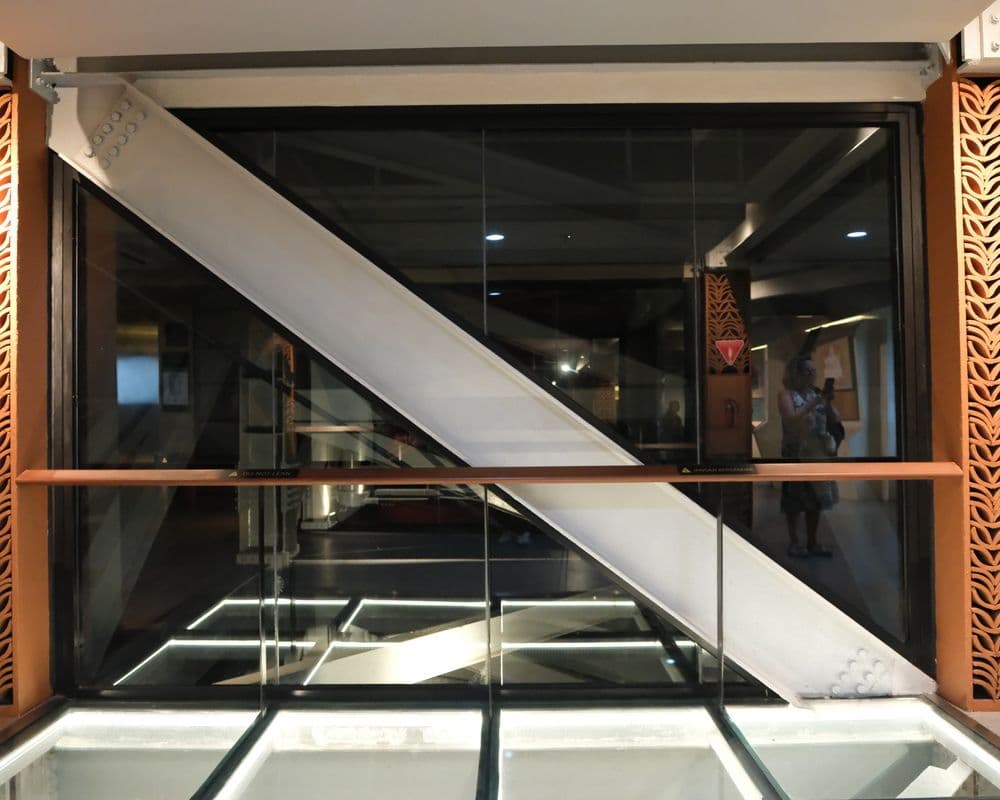
If you want to learn about the GWK statue within the statue itself, purchase the GWK Regular Entrance Ticket + Top of The Statue Tour (Ultimate Package) for a complete experience. This package includes the Top of the Statue Tour which takes you to the 9th and 23rd floors of the statue using an elevator. Here are the other benefits in the Ultimate Package:
- Regular Entrance Ticket to GWK Cultural Park
- Guided tour to 9th & 23rd floor of Garuda Wisnu Kencana statue (where the glass thrills await!)
- Refreshment drink at Jendela Bali Restaurant
- Entrance to ASANA Artseum (The First Thematic Museum and Photo Studio in Bali)
- Balinese Cultural Performances at Amphitheater stage (from 11 AM-3 PM)
- Watch the animated movie “The Adventures of Little Garuda” at Garuda Sineloka Mini Cinema (30 minutes duration, start from 10:30 AM–7:30 PM)
- The ticket is valid for the whole day! Free entry and exit to the GWK area (by requesting a stamp at the exit gate)
Balinese architecture is a profound expression of the island's soul, guided by principles of harmony and respect for its environment and beliefs. The GWK statue stands as a magnificent contemporary example, embodying these timeless traditions on a grand scale. To truly grasp the beauty and philosophy behind Balinese architecture, there's no better way than to witness the majestic GWK statue and explore its intricate details. Ready to witness the grandeur of Balinese architecture and explore the iconic GWK statue? Book your visit and experience the Top of Statue Tour today!
Gallery