A Look at Bali's World-Famous Culture and Its Traces at GWK
Dance, music, and hospitality—these three things are why Bali's renowned culture captivates tourists from around the world. The island is not only a tropical tourist destination, but also home to a vibrant cultural heritage.
Behind every smile and traditional ceremony lies a profound philosophy called Tri Hita Karana, a teaching about harmony between humans, nature, and God. This value guides Balinese people in their daily lives, from home layout and traditional ceremonies to warm social interactions.
And you can experience all these noble values in real life at Garuda Wisnu Kencana (GWK) Cultural Park , a place where Balinese culture is not only displayed, but also brought to life every day through art, music, and meaningful rituals.
Bali's World-Famous Cultural Diversity

Here are some of the world-famous Balinese cultural varieties you should know!
1. Traditional Balinese Dance
Dance is the heart of Balinese culture. Every hand movement, eye contact, and even foot stomp carries deep spiritual significance. Some have even become symbols of Bali on the international stage.
- The Kecak dance, for example, is known for its “cak-cak-cak” sound from dozens of male dancers sitting in a circle, depicting the story of the Ramayana with extraordinary energy.
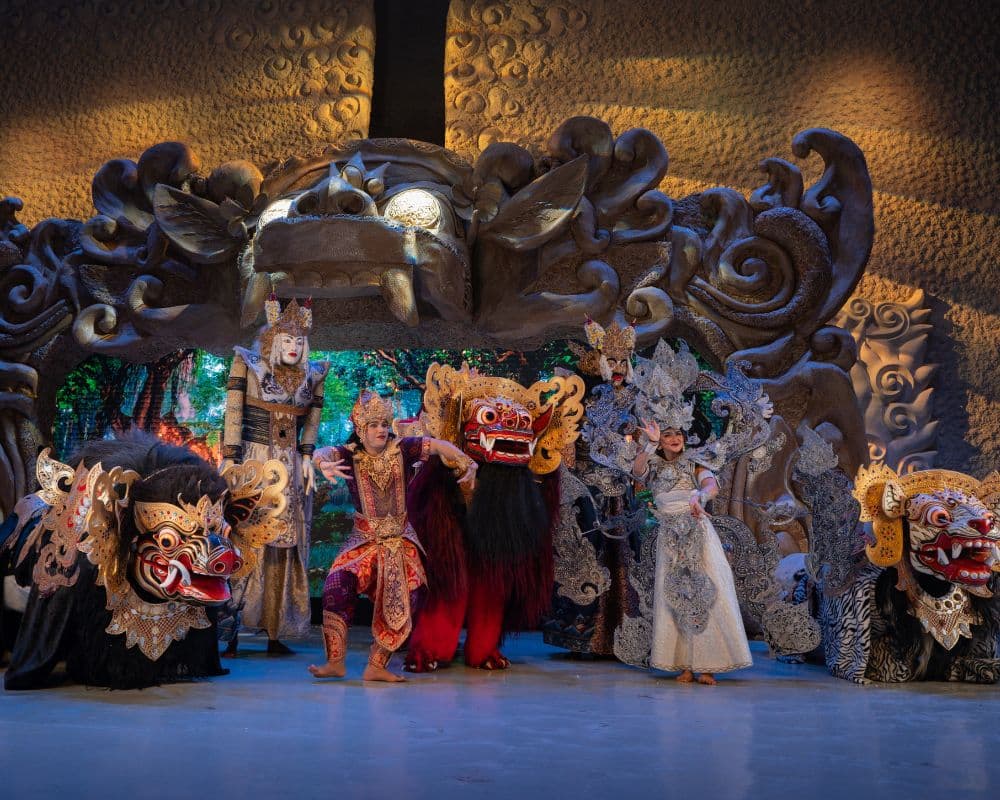
- The Barong Dance generally symbolizes the eternal battle between good (Barong) and evil (Rangda). As one of the entertainments at GWK Cultural Park, the Barong Dance tells the story of Barong being harassed by monkeys.
- Meanwhile, Oleg Tamulilingan, which tells of a pair of beetles dancing in a flower garden, is a symbol of love and tenderness.
The uniqueness of these dances makes Balinese culture known on international stages.
2. Traditional Balinese Music
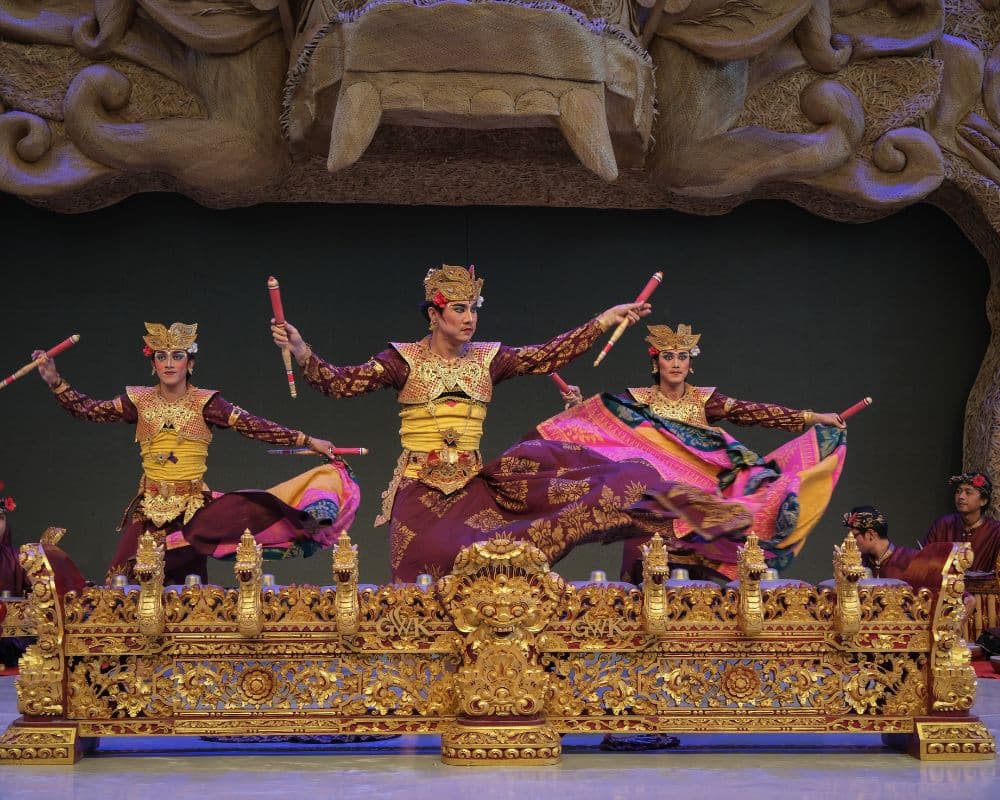
If dance is the expression of the body, then music is the breath of Balinese culture. The sounds of gamelan, gender, gong, suling, and rindik are an integral part of Balinese life.
Traditional music on this island is not only played for entertainment, but also as a spiritual offering in every religious ceremony.
The beauty of the gamelan's multi-layered harmonies reflects the spirit of mutual cooperation, where each instrument plays a vital role. No single instrument stands out; all combine to create harmony, in keeping with the principles of Tri Hita Karana itself.
3. Balinese Architecture and Carving
The distinctive features of Balinese architecture are evident in its magnificent temples, finely ornamented gateways, and intricately carved stone statues. All of these elements are not only beautiful but also imbued with spiritual significance.
Carving has been a part of Balinese life since ancient times. Its motifs are inspired by nature and Hindu mythology, such as lotus flowers, dragons, and the god Vishnu.
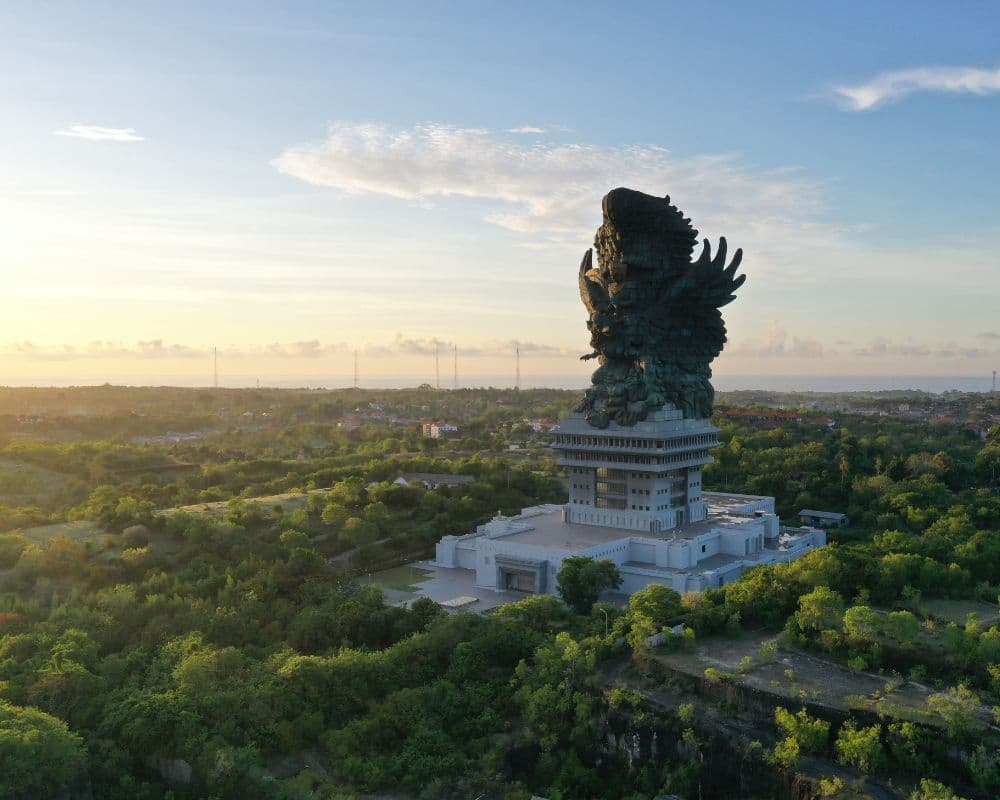
One of the monumental symbols of Balinese architecture and sculpture is the Garuda Wisnu Kencana statue at GWK Cultural Park. The 121-meter-tall statue depicts the god Vishnu riding the Garuda bird. This statue is not only a magnificent work of art, but also a symbol of the glory and pride of Balinese culture in the eyes of the world.
4. Balinese Hospitality and Social Values
Beyond art and ritual, Balinese hospitality is a key part of their renowned culture. The concept of ngayah , which means working selflessly for the common good, and the value of tat twam asi (I am you, you are me), foster a harmonious and empathetic social life.
It's no wonder that tourists from various countries feel welcomed like family. At GWK Cultural Park, this spirit lives on through the sincere service and friendly smiles of the staff, who are always ready to help with their hearts.
Balinese Culture in Every Corner of GWK

GWK Cultural Park is more than just a tourist attraction, it's an open-air stage for Bali's world-renowned culture. Every corner presents authentic artistic performances, showcasing the beauty and diversity of Balinese culture.
Here are some activities and show schedules that you can enjoy at GWK:
- Plaza Bhagawan (10.00 AM): Watch the Sekar Jepun Dance and Jauk Keras Dance, which depict the balance between the softness and strength of the Balinese character.
- Plaza Garuda (12.00 PM): Enjoy the Gamelan Rindik Performance, the soothing sound of bamboo music.
- Plaza Wisnu (2.00 PM & 4.00 PM) : Gender Instrument Performance and Balinese Cultural Parade present a stunning combination of music, traditional clothing, and traditional dance.
- Tlatar Mandalaloka (10.00 AM – 2.00 PM) : Featuring various dances such as Jauk Keras, Topeng Monyeer, Kebyar Duduk, and interactive Balinese Dance Practice.
- GWK Statue Area (11.00 AM & 5.00 PM): Watch the Oleg Tamulilingan and Joged Bumbung Dance, two dances that symbolize Balinese love and joy.
- Amphitheater (12.00 PM – 6.00 PM): Throughout the afternoon until evening, you can enjoy a series of performances such as: Balinese Dance & Gamelan Practice, Sekar Nirwana Dance and Kebyar Terompong, Oleg Tamulilingan & Barong Bojog Dance, to the Special Show BaraOng.
- Festival Park (6:00 PM) : The highlight of the day at GWK is the spectacular Kecak Show. Hundreds of male dancers combine to a resounding "cak-cak-cak" rhythm, immersing the audience in the Ramayana story under the Balinese sunset.
Read also: The Tallest Statue in Bali: The Cultural Icon of Garuda Wisnu Kencana
Preservation and Education: GWK as a Reflection of Modern Balinese Culture
Besides being a performance center, GWK also plays a vital role in preserving Balinese culture. Here, culture is not only showcased but also taught and passed down. Visitors can participate in dance workshops, batik-making, or learn to play the gamelan. In this way, tourists are not just spectators but also active participants in preserving Bali's cultural heritage.
GWK also serves as a collaborative space between local artists and modern management, creating a balance between tradition and tourism innovation. This provides Bali's younger generation with a space to express themselves and create without abandoning their cultural roots.
Also read: 6 Most Spectacular Tourist Attractions in Badung, Bali
GWK, the Living Face of Bali's Famous Culture
Bali's world-renowned culture is not a relic of the past, but a living legacy. At GWK Cultural Park , that legacy lives on in every gamelan beat, every dance, and every sincere smile that greets visitors.
Through GWK, Bali not only showcases its cultural beauty, but also strengthens its identity as a world center of spirituality and art.
So, when you visit Bali, don't miss the opportunity to feel the pulse of its culture at GWK, a place where spirituality, art, and humanity blend in perfect harmony.
Gallery