5 Interesting Facts About the Garuda Wisnu Kencana Statue, the Tallest and Most Magnificent Statue on the Island of Bali
Bali, with all its charm, has long been a favorite tourist destination for both domestic and international tourists. Known as the Island of the Gods, this island offers stunning natural beauty, a wealth of cultural arts, and of course, the world's fourth-tallest statue, the Garuda Wisnu Kencana.
GWK Cultural Park , home to the masterpiece Garuda Wisnu Kencana statue, presents a variety of cultural performances and has become a favorite tourist destination in Bali. The majestic GWK statue attracts millions of visitors each year. Beyond its impressive size, it also offers interesting facts that make it even more unique and captivating.
5 Facts about the Garuda Wisnu Kencana Statue
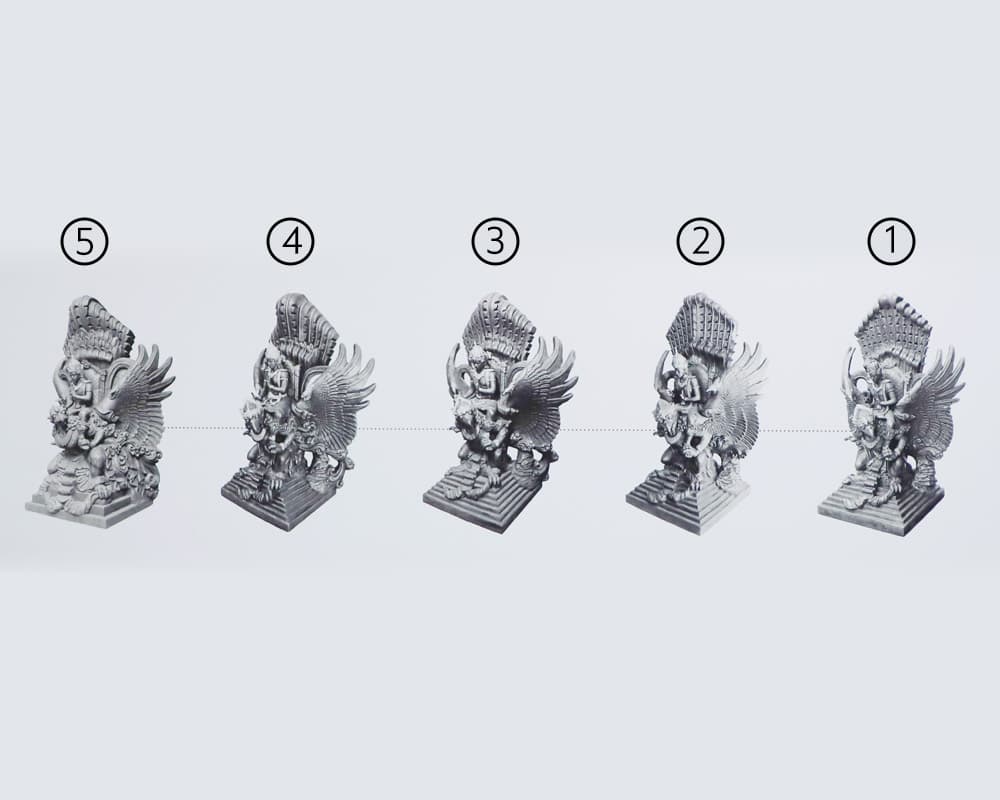
1. Undergoing 5 Design Changes

The GWK statue is not only impressive in its size, but also in its history. The design of the GWK statue has undergone five transformations, with adjustments including changes to the wings, tail, throne, and shape of the garuda's head. These design changes reflect a commitment to creating an increasingly perfect and profound work of art, making GWK Cultural Park one of the greatest achievements in the world of landscape art and architecture in Bali.
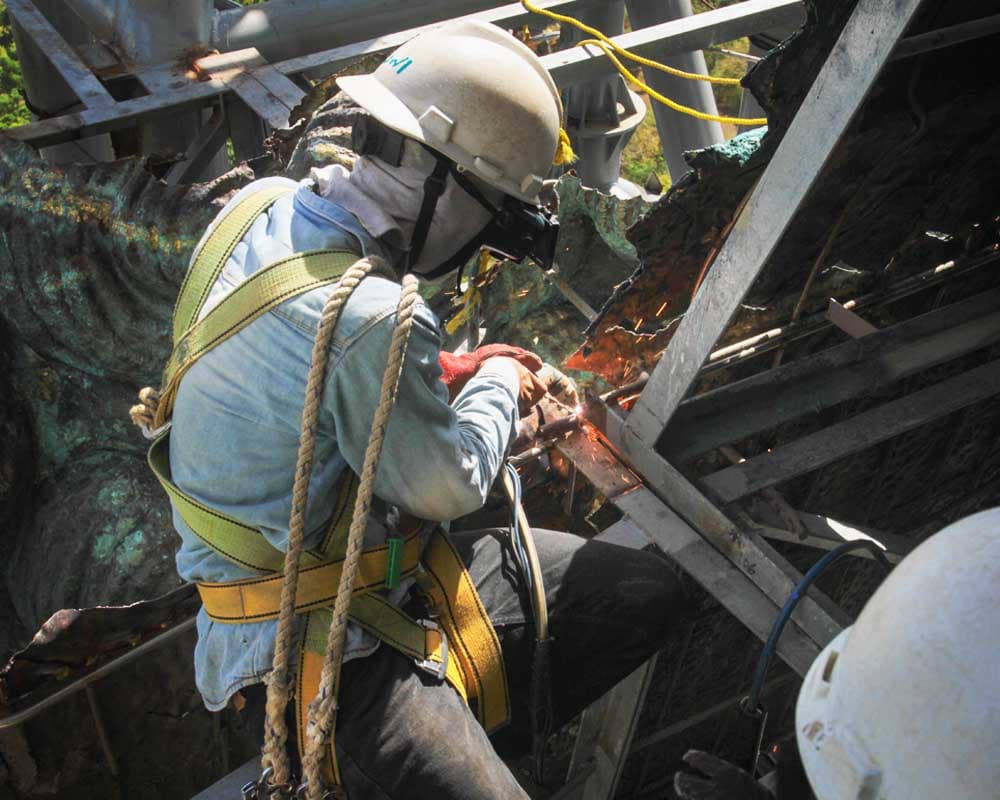
2. Manually Forged Module Skin Making

To achieve precise detail, thousands of copper sheets were hand-forged. The triangular-shaped skin modules were individually forged to create a unique texture resembling human skin.
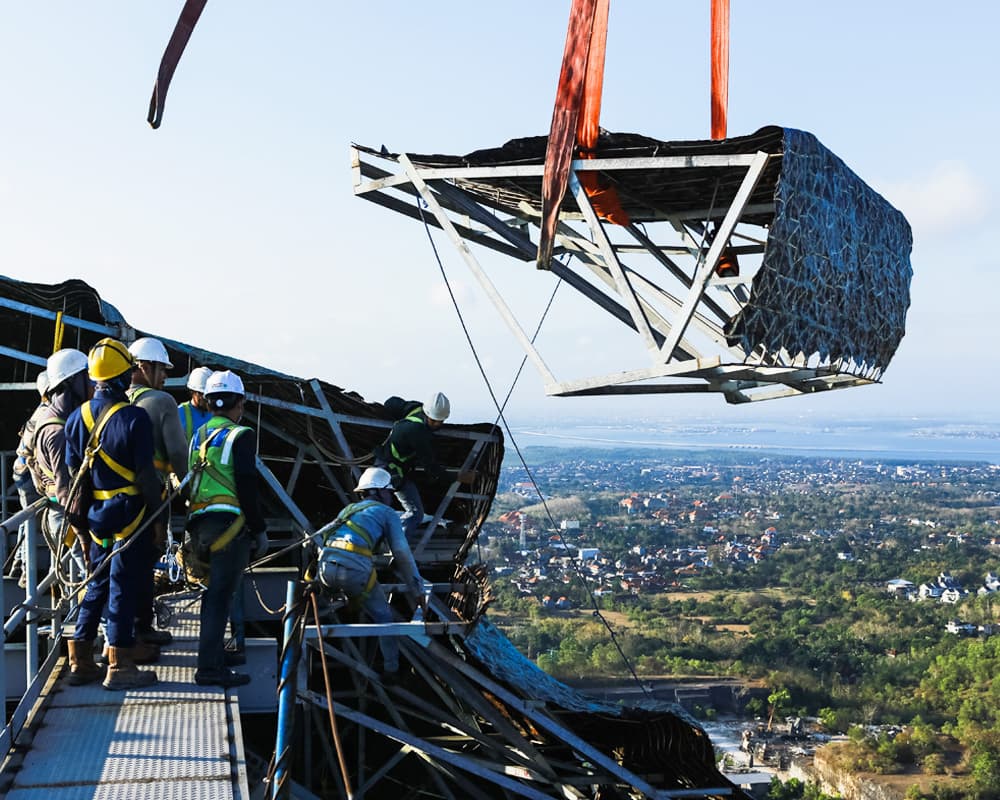
3. The Module Skin Installation Process Takes 35 Months

The forged skin sheets of the statue were then assembled into modules. A total of 720 modules were made, each measuring 3 x 4 meters on average. The assembled skin modules were prepared for installation using a heavy-duty crane. Due to strong winds, the installation process took up to 35 months. Installation had to be postponed several times if wind speeds exceeded the maximum limit of 10 knots or 18.5 km/h.
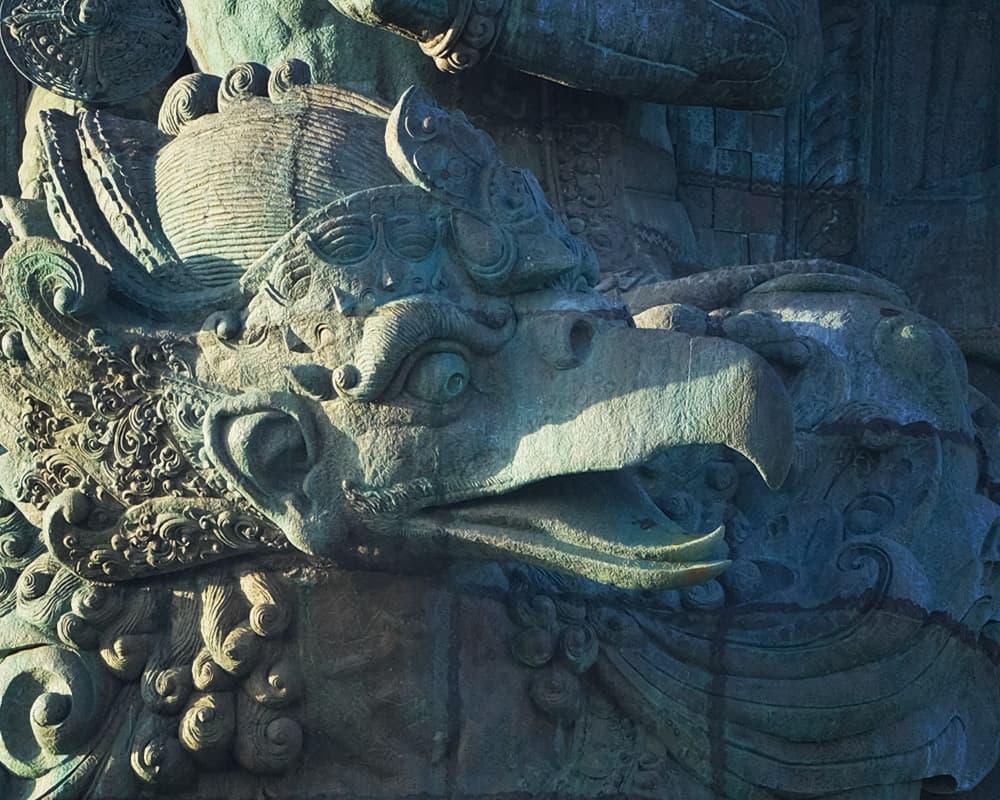
4. Garuda's Head Looking to the Left

It turns out that the left-facing Garuda head design on the GWK Statue contains a deep and inspiring meaning. For the artist, this design is intended so that Garuda, as a symbol of sincere struggle, must not only look towards goodness (right), but also look towards evil (left) so that life can achieve balance. This philosophical message teaches us about the importance of understanding the duality in life, where good and evil are integral parts of the human experience, and in this way, we can achieve harmony and balance in our life journey.
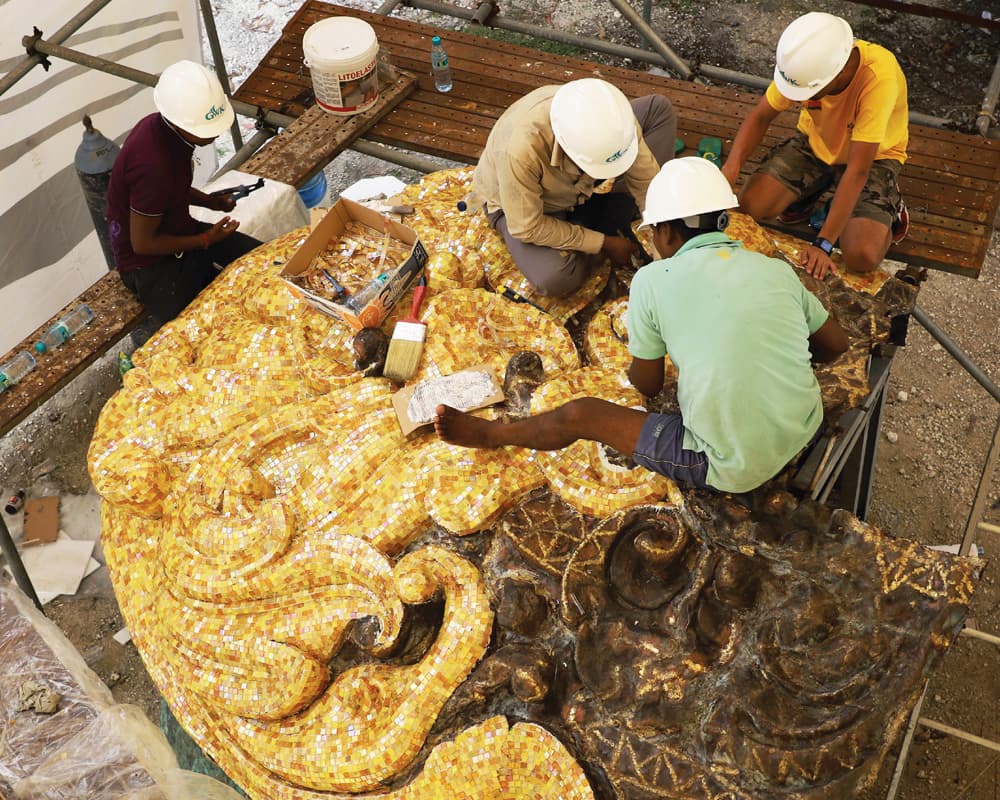
5. The golden color of the crown of the god Vishnu is made from thousands of pieces of mosaic glass.

To embody the splendor of the word "Kencana," meaning gold, the crown and the headdress on the shoulders of Lord Vishnu were used, thousands of pieces of gold mosaic glass imported specifically from Italy, each measuring 1.5 cm x 1.5 cm in five different shades of gold. To achieve precise detail, each piece of mosaic glass was handcrafted and attached one by one by artisans specially brought in from Pakistan.
If you'd like to learn more about the fascinating facts surrounding the GWK Statue, you can join the GWK Statue Tour with the GWK Ultimate package . This package includes admission to the GWK Cultural Park and a guided tour of the 9th and 23rd floors of the GWK Statue. This tour will provide a more immersive experience and in-depth insights into the GWK construction process, which you may not have known about.
For more information and other interesting facts, you can visit Instagram @gwkbali or Tiktok @gwk_bali .
Gallery