Learn about the process and techniques of making the GWK (Garuda Wisnu Kencana) statue.
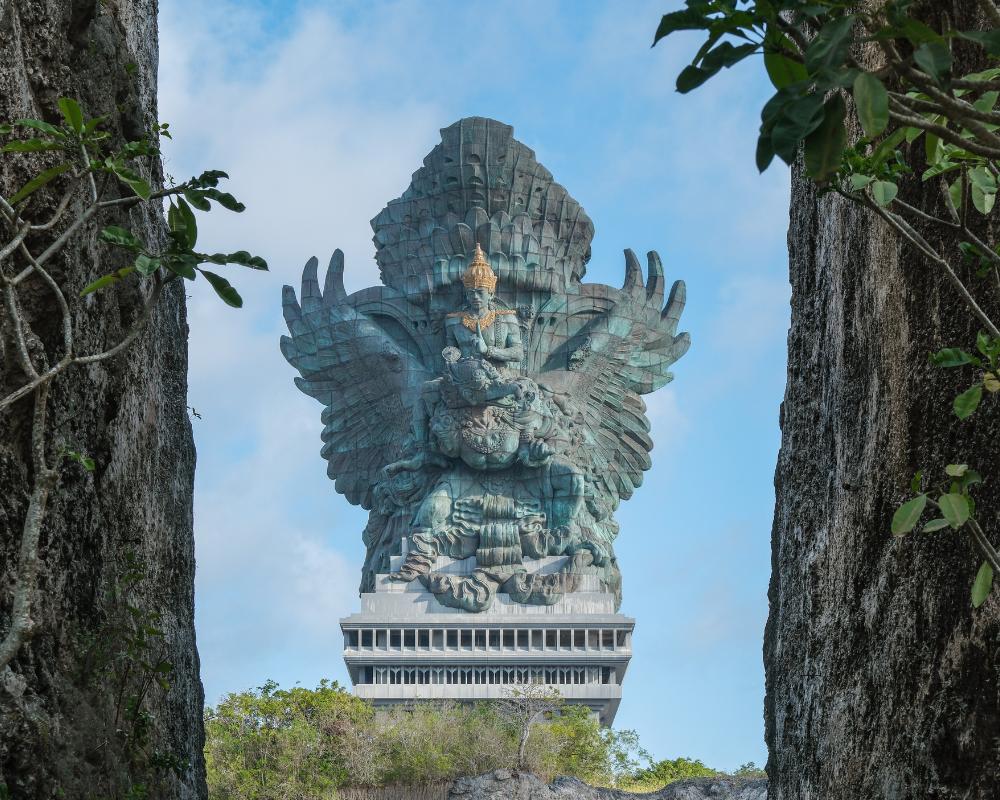
The Garuda Wisnu Kencana statue is a monumental work of art that depicts the beauty of Indonesian culture and art. Standing majestically in the GWK Cultural Park, this statue is not only an icon of Bali but also a symbol of national pride, embodying a truly remarkable process and craftsmanship. The statue's creation involved meticulously executing various stages and methods, from durability testing to the installation of the Garuda Wisnu Kencana statue's modular skin. Let's delve deeper into the GWK statue's creation process.

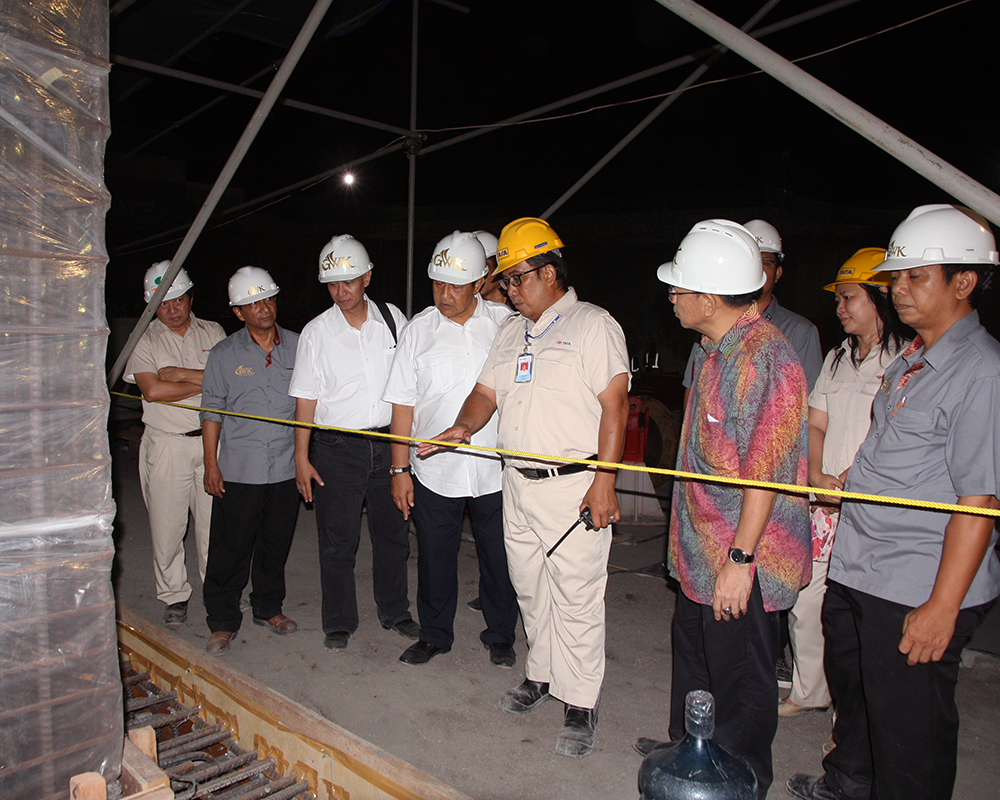
Before construction began, the statue underwent rigorous structural testing . Given its 122-meter height and immense weight, the Garuda Wisnu Kencana statue was designed to withstand earthquakes, wind, and the soil conditions of Bali's Ungasan hills. Durability tests were conducted to ensure the statue could withstand extreme weather and meet national standards, particularly regarding earthquake and wind resistance. The process of constructing the Garuda Wisnu Kencana statue is crucial to ensuring its sturdiness over the years.

In the creation of the Garuda Wisnu Kencana statue , a modular enlargement technique was used to create this massive statue. The process began with a hand-made miniature model at a scale of 1:60, approximately 3 meters tall. This model was then digitally scanned using 3D technology to produce a blueprint and skeleton for the statue. This method ensures that every detail on the statue remains precise, even at its enormous size.

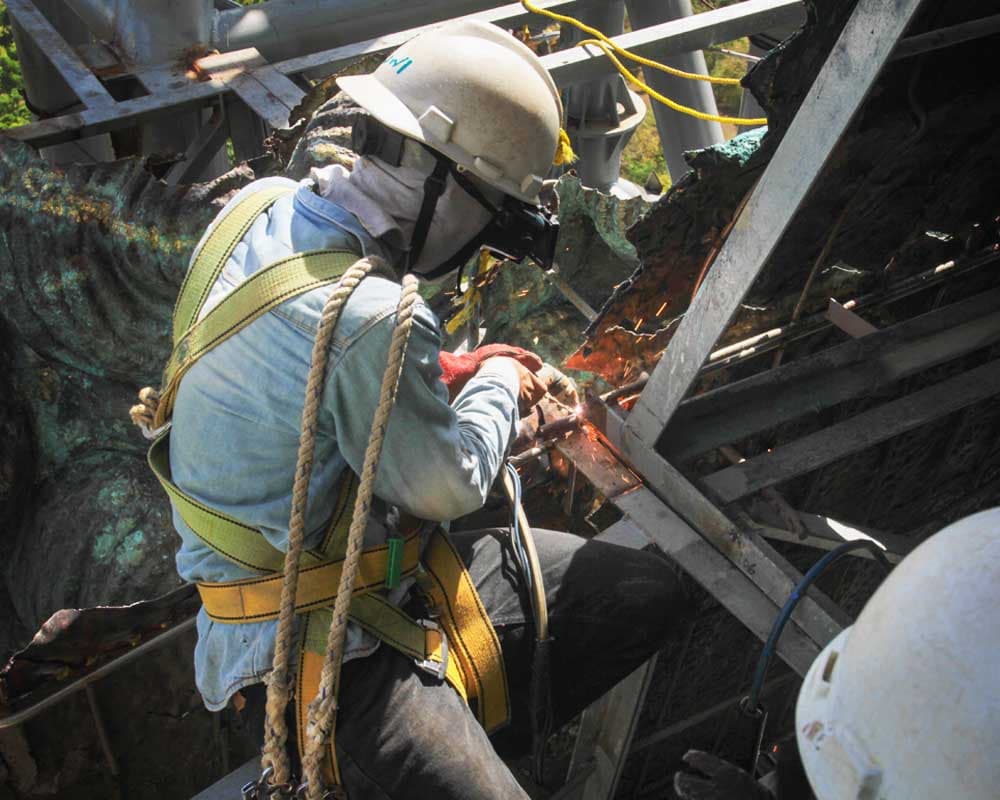
The skin of the Garuda Wisnu Kencana statue's modules is crafted using a unique and intricate technique. Using triangular-cut copper plates, the texture of the statue's skin is forged to create the impression of lifelike human skin. These plates are then assembled and welded using brass. This skin-making technique produces a realistic texture and strong durability, making it a crucial step in the Garuda Wisnu Kencana statue's creation.
The next stage is the transportation process from Bandung to Bali . After the statue's skin modules were completed in the art studio in Bandung, they were cut into smaller pieces for easier shipping. The Garuda Wisnu Kencana statue's skin module pieces were then transported to Bali overland using container trucks. This transportation process itself required precision to ensure each piece arrived in good condition and ready for installation on site.


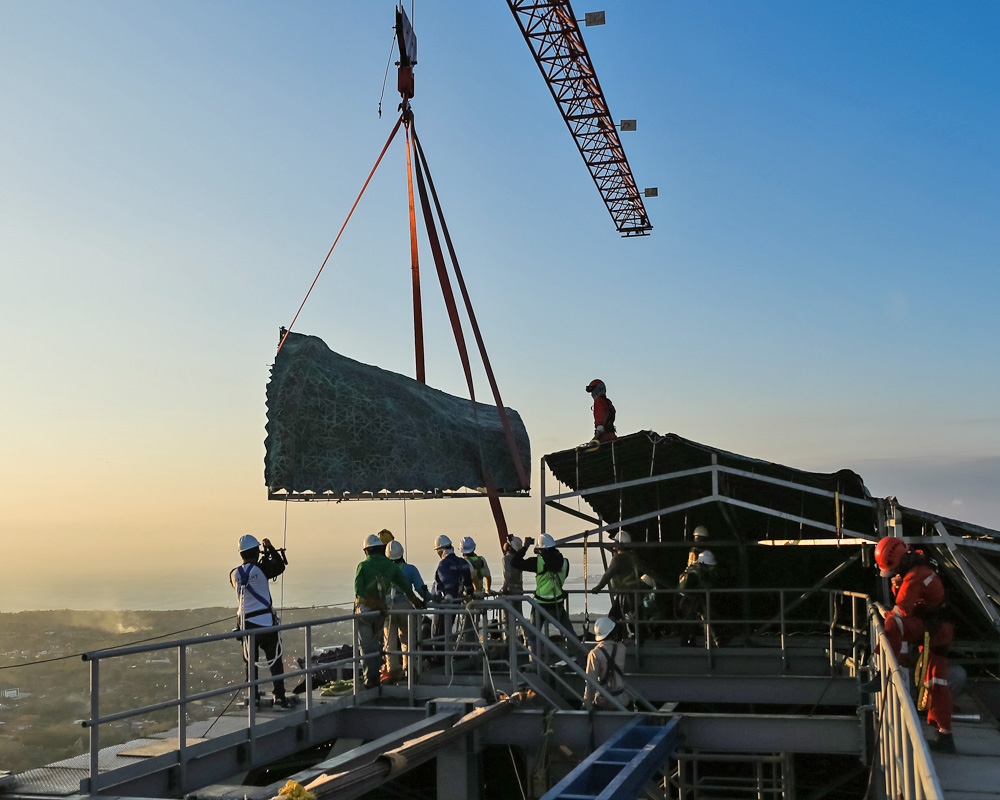
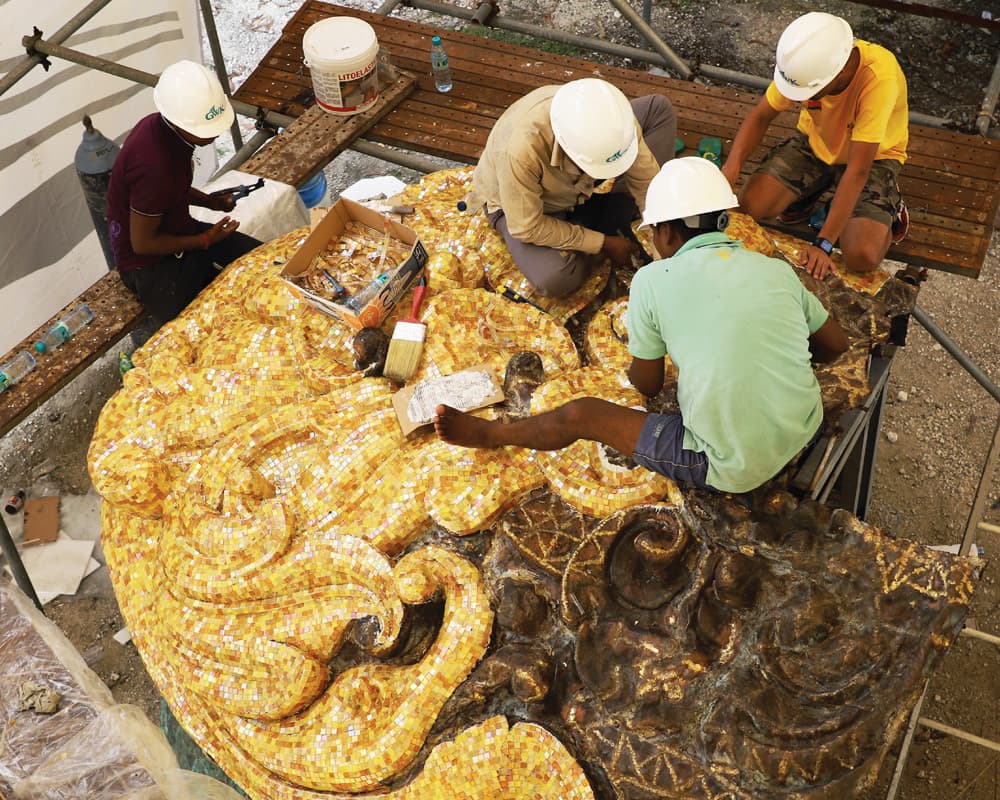
Upon arrival in Bali, these modules were installed one by one using a crane . The process of installing the statue's module skin was carried out in stages, from the bottom up, with an average of eight modules per day. This stage also included the manual installation of gold glass mosaics , which were meticulously executed to add a golden sheen to the statue. The process of creating the Garuda Wisnu Kencana statue required not only labor but also expertise to produce a stunning visual effect.
The Garuda Wisnu Kencana statue's creation involved a lengthy process, employing unique techniques and meticulous craftsmanship. Thanks to this process, the Garuda Wisnu Kencana statue stands majestically atop Ungasan Hill, where it remains today, a source of pride for Bali and an icon of Indonesian tourism.
Visit GWK and Take an Exclusive Tour!
If you'd like to learn more about the creation of the Garuda Wisnu Kencana statue and its history, visit GWK Cultural Park and take an exclusive tour of the statue . Don't miss out on this special experience by purchasing your GWK Ultimate Bundling ticket here .
Gallery