8 Cultural Parks in Indonesia, Including GWK Cultural Park

Cultural preservation can be achieved in many ways, from creating performances, developing existing cultural heritage, to establishing cultural parks as spaces that can be maximized for various activities related to this.
But what exactly is a cultural park? Why do so many regions in Indonesia have such places?
You can find out more about the meaning, complete with several examples in Indonesia, here.
Also read: Witnessing Bali's Cultural Diversity at GWK Cultural Park: From Traditions to the BarAong Show
Getting to Know the Concept of Cultural Parks

The existence of cultural parks in various cities and regions across Indonesia plays a crucial role in the preservation and development of culture itself. At the same time, these spaces are also used as conducive venues for various art performances, open discussions, and productive forums for the general public.
General Concept of Cultural Park
The definition, as quoted from the goodnewsfromindonesia.id website, is understood as a park or arts and culture complex created to preserve, introduce, and promote Indonesian culture.
Each park in Indonesia displays authentic aspects of regional culture, such as music, handicrafts, traditional clothing, dance, traditions, and the distinctive characteristics of the region's culture, both visible and invisible.
Practically, this space is a public space that is the center for development, practice, research, and all activities related to culture and tradition.
What is its function?
In terms of function, this space will have at least four important points.
- Center for arts activities, for performances, exhibitions and festivals.
- A gathering point for artists, providing a space for artists to meet, practice, and collaborate or develop their art.
- Preserving and developing culture, with the existence of conducive spaces for cultural activities.
- Promotion and appreciation of culture for the wider community so that culture can continue to survive, be enjoyed, and be passed on from one generation to another.
Its Role in Society
The existence of these public facilities plays a significant role in the community. Besides providing a conducive space for cultural activities, parks like these can also help preserve the community's culture.
Performances, research, and development can be carried out by anyone who has a concern in the cultural sector, because this open space is provided for anyone who wants to participate in existing activities.
Various Cultural Parks in Indonesia: Arts Centers from Sabang to Merauke

In Indonesia itself, there are quite a number of cultural parks that are still active and providing space for the wider community at the time of this writing. There are at least seven cultural parks that can be explored in this short article.
1. Yogyakarta Cultural Park
Located at Jalan Sriwedani No. 1, Ngupasan, Gondomanan, Yogyakarta City, it's in the city center and easily accessible by private or public transportation. It's also very close to Fort Vredeburg and Taman Pintar.
There are quite a number of facilities available for public use, from the Taman Budaya Concert Hall to the Societet Militair Building, which frequently hosts cultural performances.
2. Lampung Cultural Park
Lampung Cultural Park is located at Jalan Cut Nyak Dien No. 24, Palapa, Tanjung Karang Pusat District, Bandar Lampung City. It is a landmark in Bandar Lampung and frequently used for various arts and cultural activities.
Established in 1984, the Lampung Cultural Park plays a significant role in bridging collaboration between the community and artists. It also provides a space for traditional Lampung artists to perform their works for the wider public to enjoy.
3. Jambi Cultural Park
Next is the Jambi Cultural Park. Located at Jalan Otto Iskandardinata No. 4, East Jambi District, Jambi City, this location serves as a facility managed by the local government to develop arts and culture in Jambi.
Established in 1991, its construction was the result of a collective initiative by artists in Jambi. It still functions effectively today as an exhibition center, theater, and venue for various arts and cultural activities.
4. Padang Cultural Park
Padang Cultural Park itself is located on Jalan Jenderal Sudirman, Ulak Karang Utara, Padang Utara District, Padang City. Also known as the West Sumatra Cultural Park, it serves as one of the city's cultural centers.
As of this writing, the park is still functioning well. It's not only a venue for performances and exhibitions, but you can also see many artists experimenting with unique and modern artworks.
5. Gunung Kidul Cultural Park
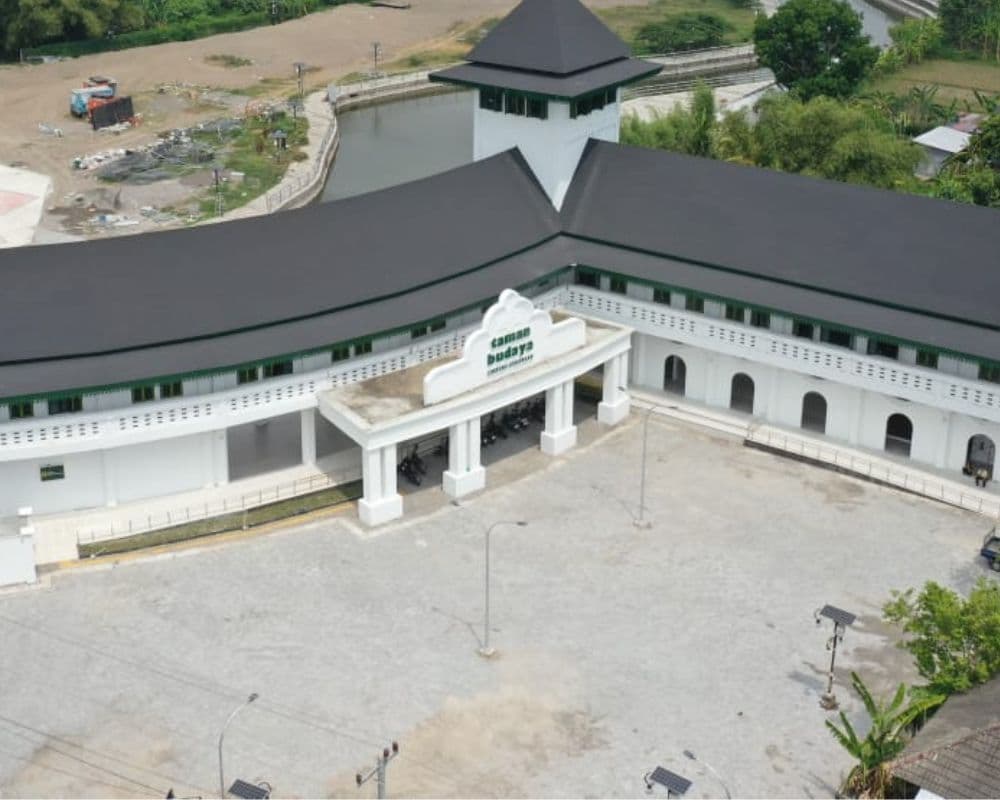
Located on Jalan Lingkar Utara, Logandeng Village, Playen Subdistrict, Gunungkidul Regency, the complex covers 2.8 hectares and features various facilities to support arts and cultural activities.
Starting from the arts stage, Joglo Pendopo, amphitheater, management office, mosque and place of worship, food court , and more. This place itself was inaugurated by Sri Sultan Hamengku Buwono X in 2012, and in its 13th year, it still exists, providing a conducive space for the arts.
6. Kulon Progo Cultural Park
If you'd like to stop by, the Kulon Progo Cultural Park is located at Jalan Kawijo No. 5, Pengasih, Wates, Kulon Progo, Yogyakarta Special Region. This facility is managed by the Cultural Park Management Unit and the Cultural Service, and it remains fully functional.
The performance space consists of three large joglos, each with a gate shaped like a wayang mountain, adorned with a geblek motif. Geblek is a Kulon Progo specialty and a symbol of the unification of Kulon Progo's artistic and cultural values.
7. Banjarmasin Cultural Park
Known as the South Kalimantan Cultural Park, it is located on Jalan Brigjend H. Hasan Basri, Pangeran, North Banjarmasin District, Banjarmasin City. It offers a dance studio, space for modern communities, and various traditional arts development projects.
Art and cultural performances and events are still frequently held in this complex, making it a great tourist destination when you visit Banjarmasin.
The existence of cultural parks in various regions is a concrete form of effort to provide development space for the arts, traditions, and culture of each region so that they remain sustainable for a long time.
Perhaps one of the largest and least discussed is located in Bali: the Garuda Wisnu Kencana Cultural Park. Yes, this area, famous for its iconic giant statue, is actually a cultural park, a harmonious blend of giant landmarks , performing arts, and a comprehensive cultural experience for everyone.
Read also: Balinese Culture: Delving into Tradition, Spirituality, and Performing Arts at GWK Cultural Park
GWK Cultural Park: Iconic Cultural Park on the Island of the Gods

Garuda Wisnu Kencana Cultural Park is a modern, integrated park complex located on Ungasan Hill in South Bali. It's easily recognized by its giant Garuda Wisnu Kencana statue, one of the masterpieces of modern Indonesian art of this era.
Technically, this giant statue stands 121 meters tall, making it one of the tallest statues in the world. The park complex features performing arts, Balinese cultural performances, and a host of exciting recreational attractions.
Arts Venue and Main Facilities
Within its complex, GWK Cultural Park has several performance areas. Some of them are as follows:
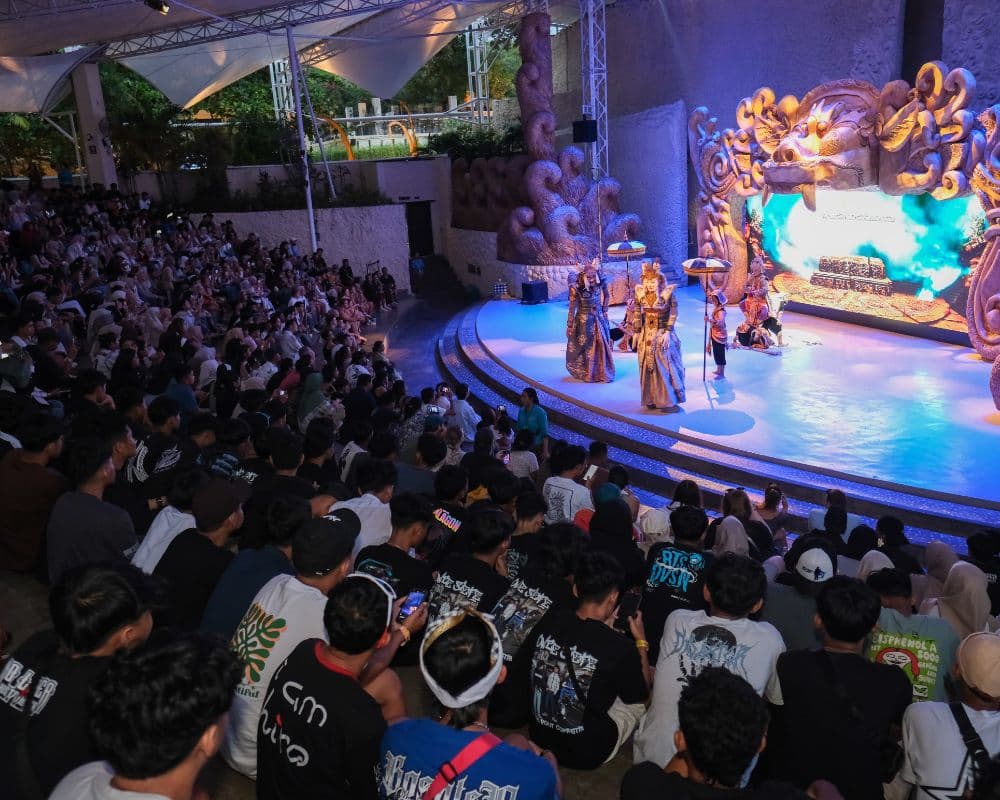
- Amphitheater, is a semi-outdoor venue used for various regular dance and music performances.
- Lotus Pond is the largest outdoor area for various cultural events , concerts, and large-scale performances.
- Plaza Wisnu is a public area at the highest point of GWK, featuring a statue of the god Vishnu as its central icon. This area hosts dance performances, cultural events, and offers one of the best vantage points for views of South Bali from above.
Top of The Statue Tour: Iconic Experiences from Inside the GWK Statues
Besides enjoying the available areas, you can also try an exclusive tour to the top of the GWK Statue. This tour involves entering the statue and experiencing every detail up close.
An interactive museum offers a variety of interesting and insightful information, helping you learn more about the statue and its significance. You'll also enjoy spectacular views from the iconic viewpoint , located approximately 122 meters above sea level, offering a 360-degree panorama.
Various Arts and Cultural Performances at GWK Cultural Park
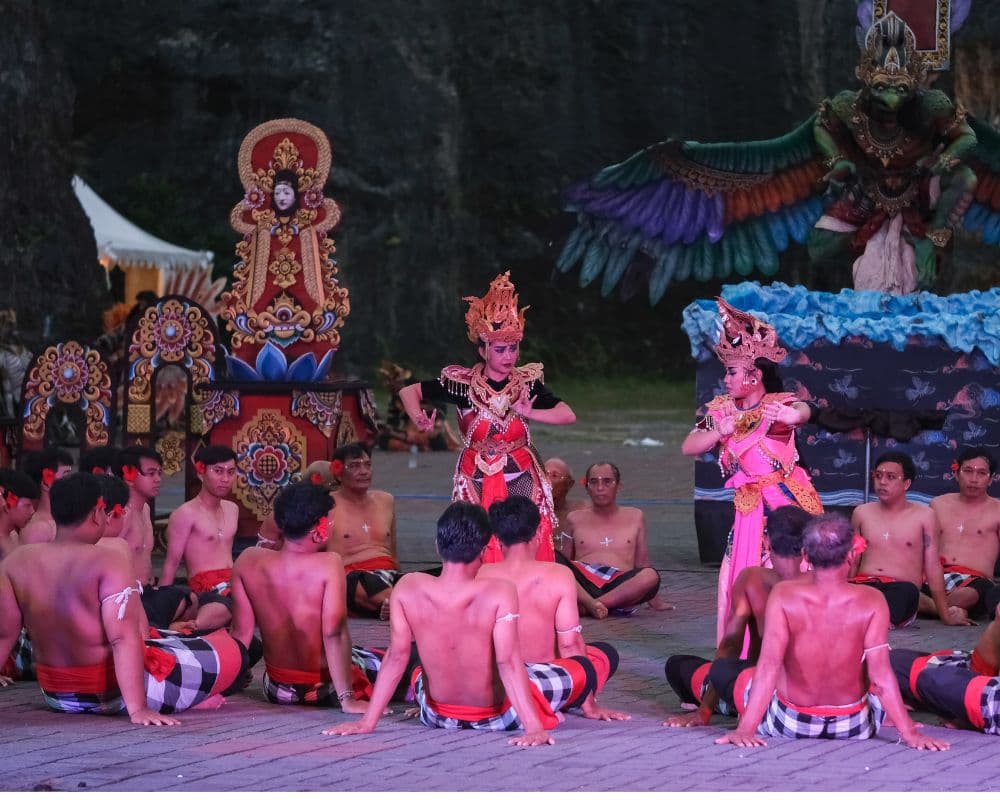
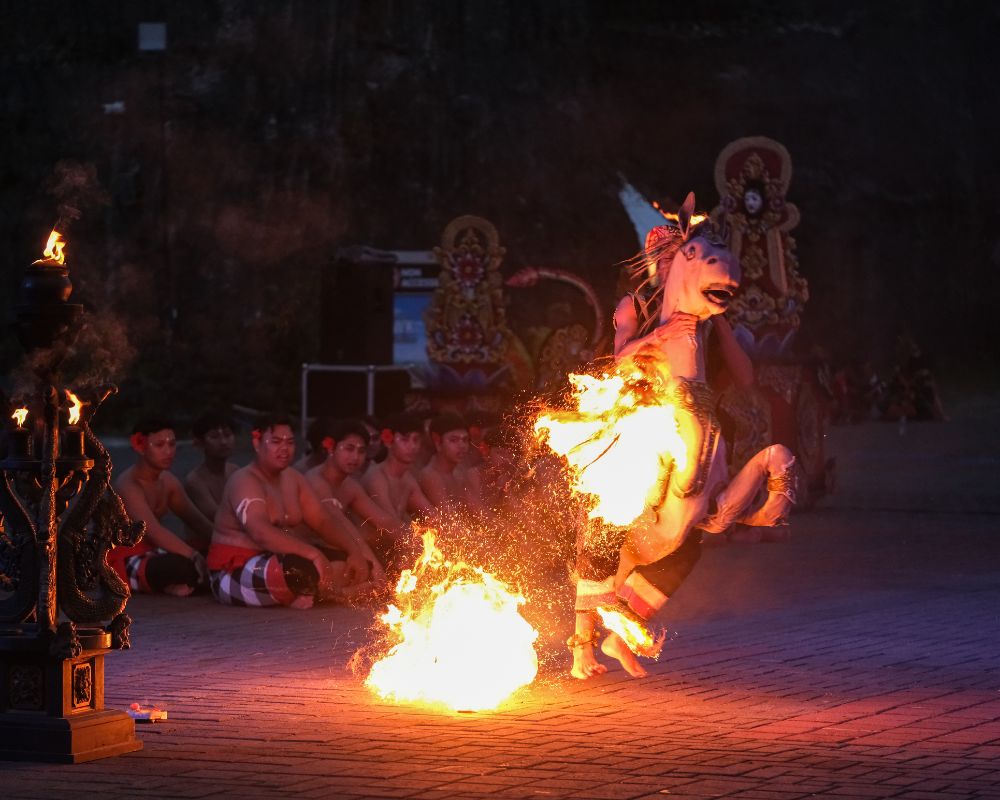
GWK Cultural Park also serves as a cultural park, hosting a variety of arts and cultural performances. Every day, it hosts beautiful Balinese dance performances, such as Sekar Jepun, Jauk Keras/Manis, Oleg Tamulilingan, the Monkey Mask Dance, and the Garuda Wisnu Kencana Kecak Dance.
Traditional musical performances, including Gamelan Rindik, are played throughout the day to welcome and entertain guests as they arrive at the cultural park complex. Furthermore, a Balinese cultural parade takes place every evening from the Amphitheater to Plaza Wisnu, adding to the rich cultural atmosphere of Bali.
Baraong Show, the Peak of Balinese Art Innovation
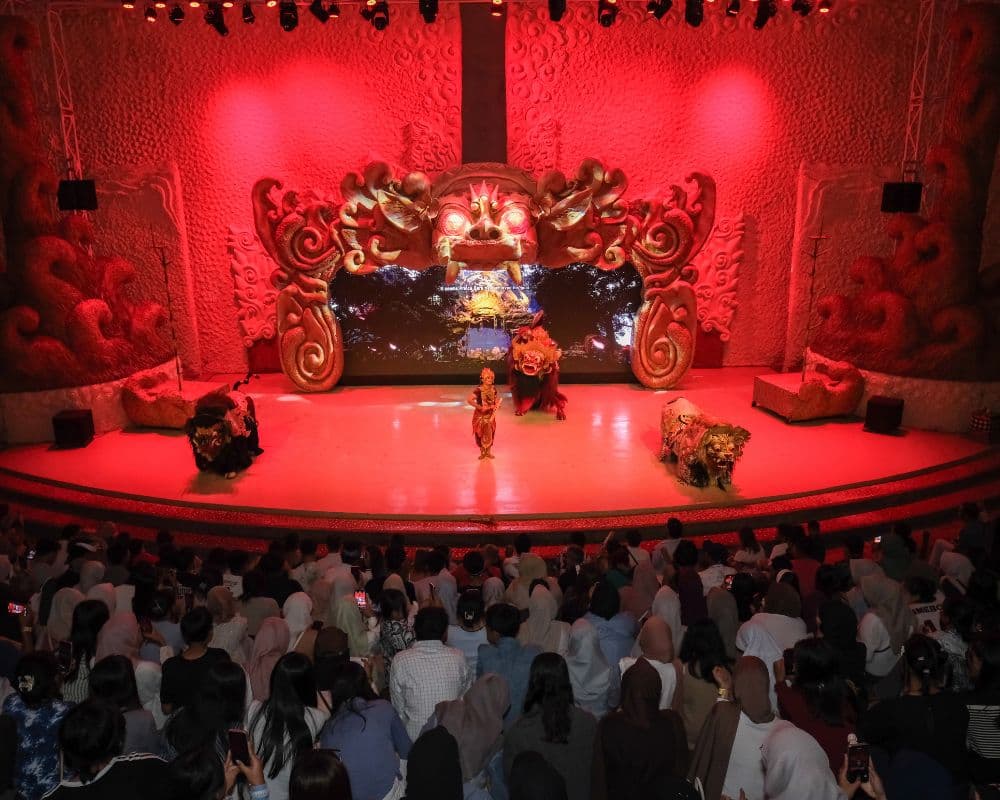
To conclude your day at GWK Cultural Park, the Baraong Show is a truly captivating spectacle. This theatrical performance combines Barong dance, theater, multimedia, and impressive contemporary costumes. It's a modern take on traditional dance, while maintaining its traditional values.
You will encounter five barongs in one performance, supported by 3D visual effects, modern gamelan music, and interaction with the audience that makes it even more spectacular.
The most ideal way to close the best experience at GWK Cultural Park.
The Role of GWK Cultural Park as a Modern Cultural Park
To this day, GWK Cultural Park remains a modern cultural park that plays a significant role in serving the community. GWK Cultural Park and all its artistic performances help preserve traditional Balinese arts and serve as a center for progressive development.
On the other hand, this place is also a cultural education center for local and foreign tourists who are interested in learning more about Balinese culture.
Reasons to Visit GWK and Tips

After learning more about GWK Cultural Park, there are several points of emphasis that can be reasons why you should stop by.
- First, there is a diversity of arts and performances every day.
- Second, educational and value-rich attractions, such as the Top of The Statue Tour.
- Third, support from local artists and cultural communities.
- Fourth, a world-class professional venue that is also supported by sophisticated facilities.
- Fifth, an experience that combines tourism, art, and cultural learning that is full of value.
To be able to enjoy the experience to the fullest, the following tips can also be useful points.
- Come early to explore and enjoy all areas of GWK Cultural Park, as well as get the best photo spots in each place.
- Check the show schedule on our official website or our official Instagram account at @gwkbali.
- Don't miss the opportunity to enjoy the sunset in the afternoon, the peak performance, and relax at Jendela Bali Restaurant to end your tour.
- Buy GWK Cultural Park Tickets online to avoid queues, and for extra convenience.
Also read: Arts Education Program at GWK: Get to Know the Barong at the Baraong Show
Parks like this are ultimately a living reflection of Indonesian art, preserving the heritage and keeping it relevant. One of the few remaining cultural parks in Indonesia, GWK Cultural Park consistently combines art performances, iconic landmarks , and educational tours that are valuable for all visitors, exemplifying a progressive cultural park ecosystem that maintains the true roots of Balinese culture.
Ready to experience Bali's art, culture, and iconic experiences? Plan your visit to the Garuda Wisnu Kencana Cultural Park now and experience all the excitement firsthand!
Reference:
- https://www.goodnewsfromindonesia.id/2023/07/27/8-cultural-parks-that-exist-in-indonesia-from-sentul-to-yogyakarta#google_vignette
- https://akperpemkabponorogo.ac.id/2025/07/12/taman-budaya-yogyakarta-pusat-seni-dan-budaya-kreatif-kota/
- https://forumsumbar.com/opini/47797/taman-budaya-sumbar-menuju-mental-sadar-budaya/#:~:text=As%20space%20interaksi%2C%20pendidikan%2C%20dan%20fleksi%20budaya%2C,collective%20society%20towards%20the%20importance%20of%20preserving%20local%20culture?
Gallery