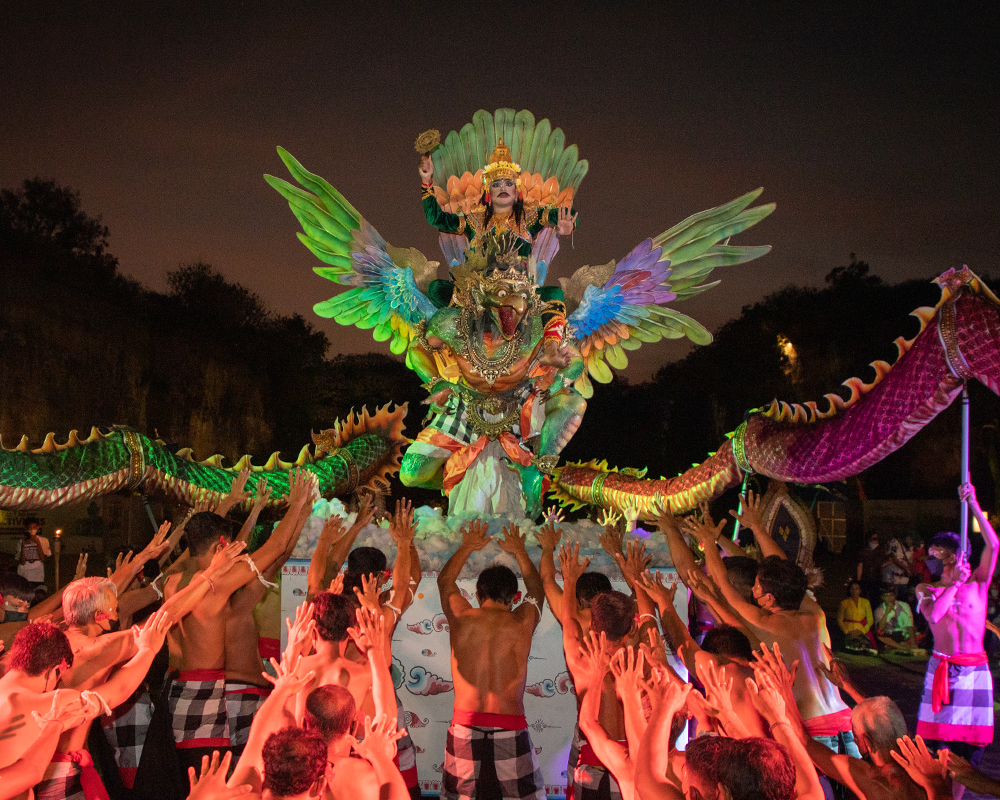
Garuda Wisnu Kencana Kecak Dance: The Only Collaboration of Kecak and Ogoh-ogoh
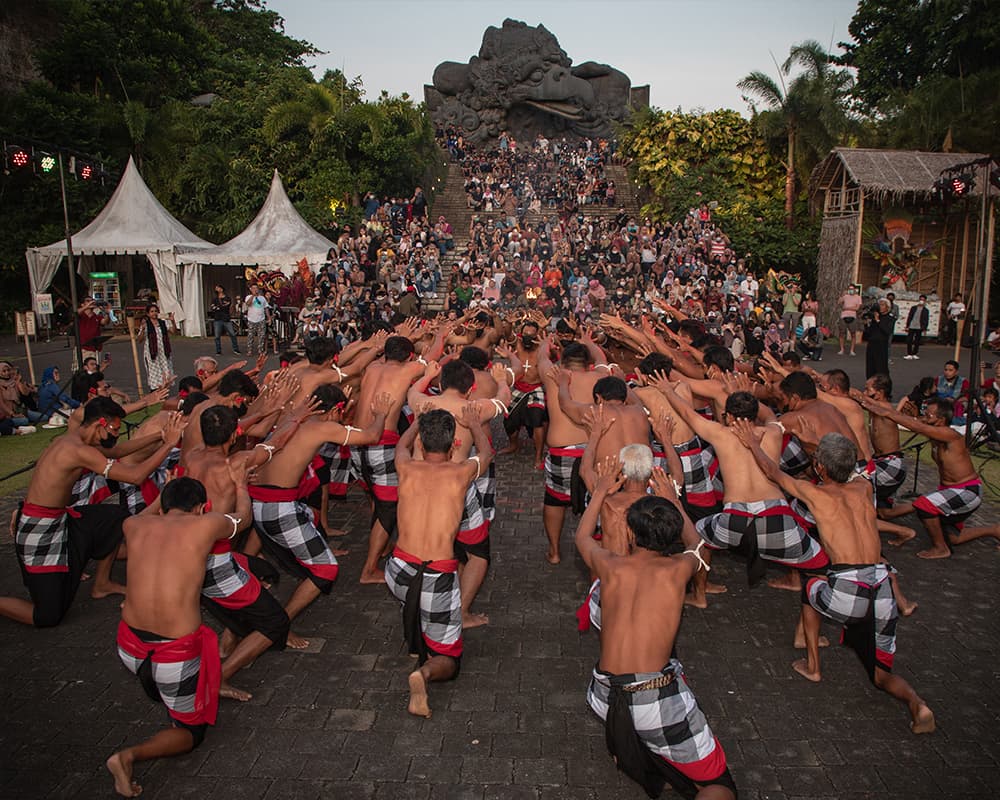
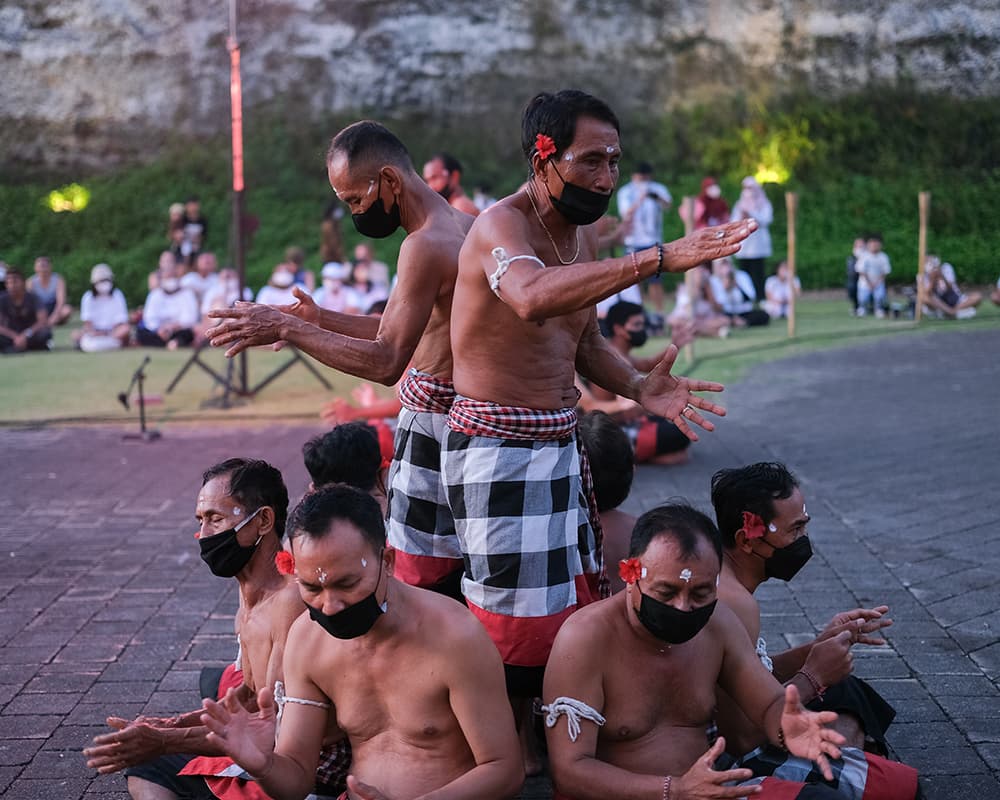
Bali is known as an island paradise, captivating millions of visitors each year with its rich natural beauty, arts, and culture. Its natural beauty and unique cultural heritage are embodied in a variety of dances . One such dance that captivates the world is the Kecak Dance . With the rhythmic sound of "cak" piercing the air, and with hand movements overhead, Kecak dancers from Bali's villages captivate all who see them. As a Balinese cultural treasure, this dance is performed in numerous locations across the Island of the Gods, but you can only witness a Kecak Dance performance at the Garuda Wisnu Kencana Cultural Park (GWK ).
In the 1930s, Balinese artist I Wayan Limbak and German painter Walter Spies gathered men from the surrounding villages to compose a dance that would become Bali's most famous dance masterpiece.


Initially, the Kecak Dance was performed only as part of small village celebrations. It was performed simply from field to field, moving from one hamlet to another . Later, the dance became more popular and was often requested to be performed for Dutch and European tourists visiting Bali.

The Kecak dance is not merely a performing art form, but also reflects Balinese traditional roots. Its inspiration comes from traditional rituals passed down through generations of the Balinese people. Over time, the Kecak dance has generally adapted the Ramayana story , a renowned Hindu epic. Hanoman's adventure in rescuing the goddess Sitha from the clutches of Rahwana, the ruler of Alengkadiraja, is presented in a variety of magical and captivating dance styles.

GWK Kecak Dance, a Unique Collaboration with Ogoh-Ogoh
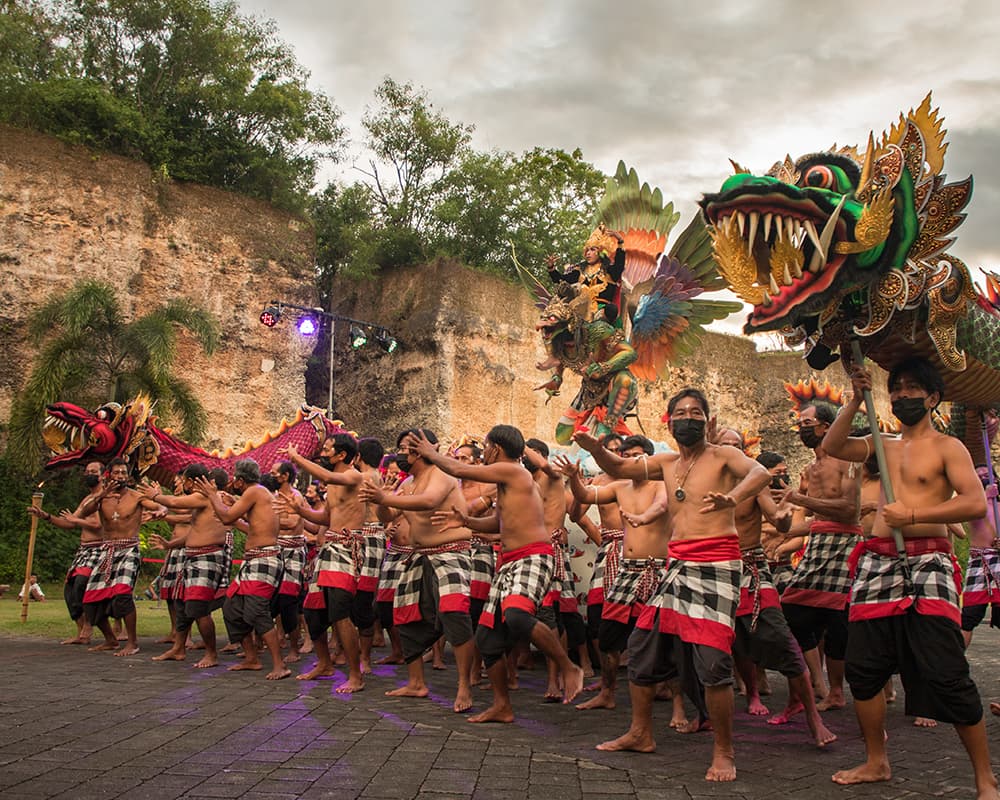
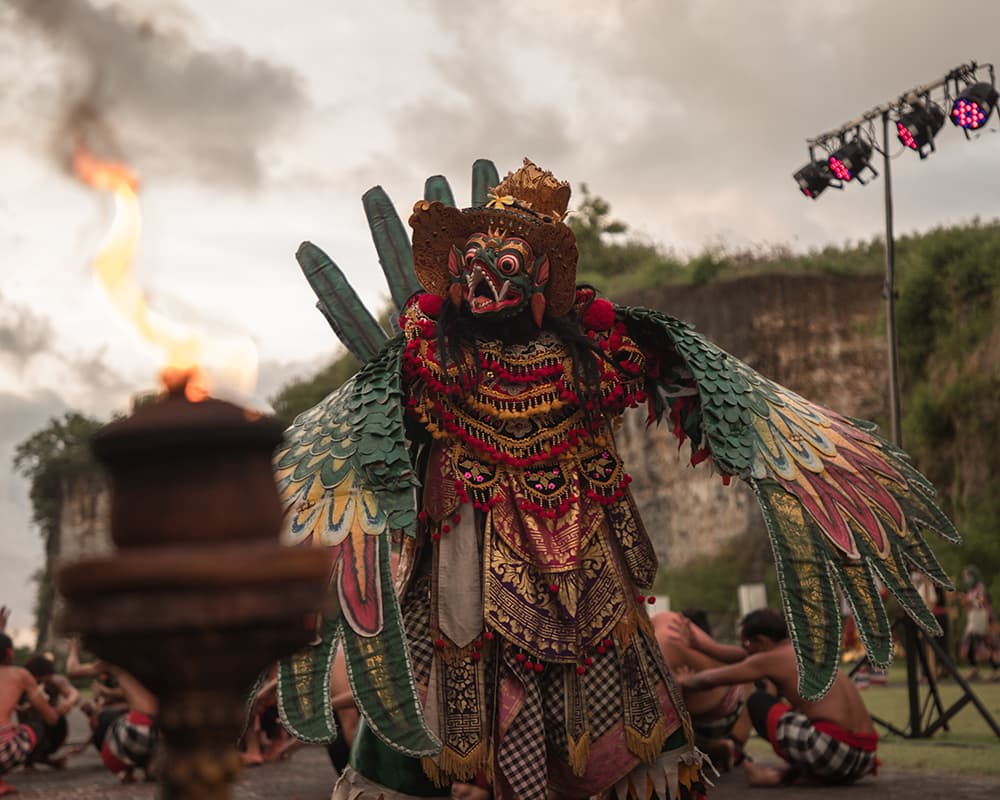
Garuda Wisnu Kencana Cultural Park, home to a variety of Balinese arts and culture, adapts the Kecak Dance with a distinct story. In keeping with the story of the Garuda, the GWK (Garuda Wisnu Kencana) Kecak Dance is a masterful arrangement, the only Kecak dance depicting the Garuda's epic journey in search of Tirta Amrita (Amertha Water), to rescue his mother from the bondage of the Dragon race.

In addition to its distinct storyline, the GWK Kecak Dance performance also combines the dance with ogoh-ogoh. This makes the Garuda Wisnu Kencana Kecak Dance a major attraction for visitors to Bali, especially to the Garuda Wisnu Kencana Cultural Park .
The GWK Kecak Dance can be seen daily at 6:00 PM WITA. Tickets can be purchased HERE or by visiting the Plaza Bhagawan Ticket Area at Garuda Wisnu Kencana Cultural Park.
Gallery