

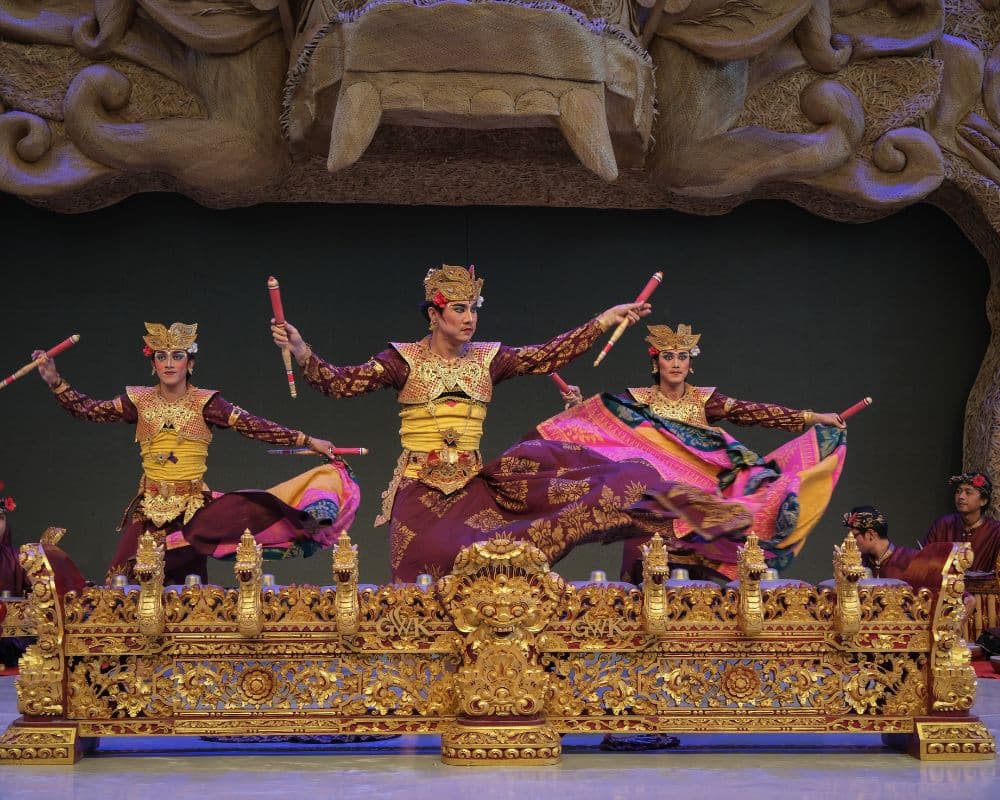
A Look at Bali's World-Famous Culture and Its Traces at GWK
Tarian, musik, dan keramahtamahan, tiga hal ini menjadi alasan mengapa budaya Bali yang terkenal begitu memikat hati wisatawan dari seluruh dunia. Pulau ini bukan hanya destinasi wisata tropis, tetapi juga rumah bagi warisan budaya yang masih hidup hingga kini.
Di balik setiap senyum dan upacara adat, terdapat filosofi mendalam bernama Tri Hita Karana, sebuah ajaran tentang harmoni antara manusia, alam, dan Tuhan. Nilai inilah yang menuntun masyarakat Bali dalam kehidupan sehari-hari, mulai dari tata ruang rumah, upacara adat, hingga interaksi sosial yang penuh kehangatan.
Dan semua nilai luhur itu bisa Anda rasakan secara nyata di Garuda Wisnu Kencana (GWK) Cultural Park, tempat di mana budaya Bali bukan hanya ditampilkan, tetapi juga dihidupkan setiap hari melalui seni, musik, dan ritual penuh makna.
Ragam Budaya Bali yang Terkenal di Dunia
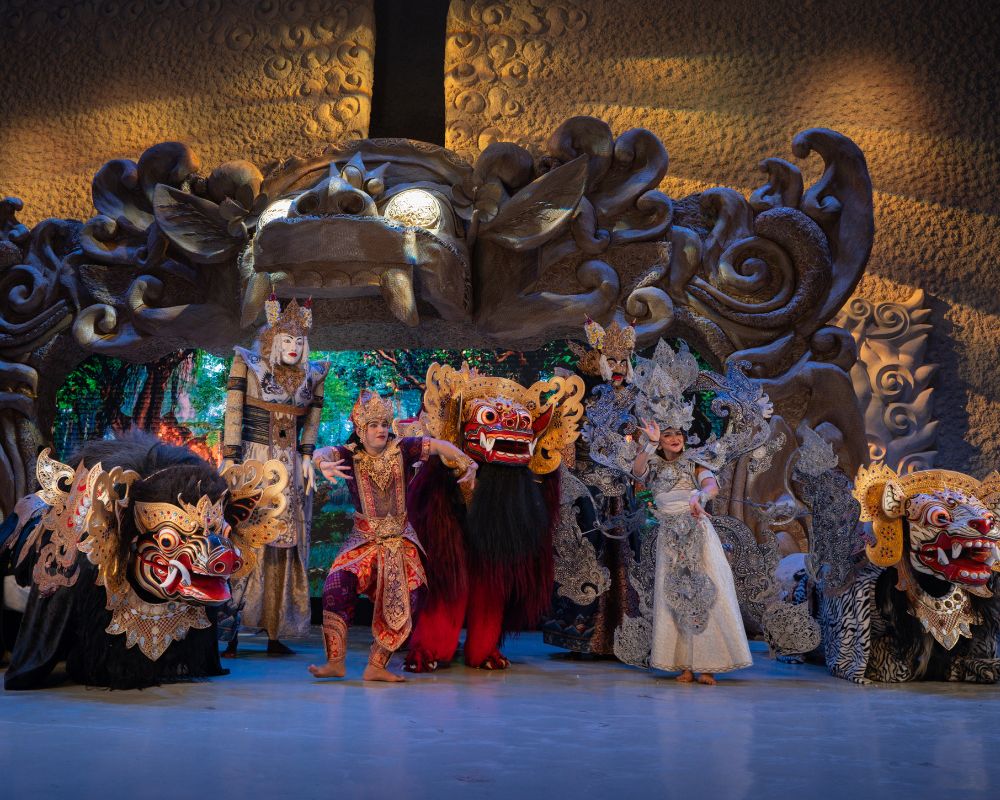
Inilah beberapa ragam budaya Bali yang terkenal di dunia, Anda wajib tahu!
1. Tarian Tradisional Bali
Tarian adalah jantung budaya Bali. Setiap gerakan tangan, tatapan mata, hingga hentakan kaki memiliki makna spiritual yang dalam. Beberapa di antaranya bahkan menjadi simbol Bali di kancah internasional.
- Tari Kecak, misalnya, dikenal dengan suara “cak-cak-cak” dari puluhan penari pria yang duduk melingkar, menggambarkan kisah Ramayana dengan energi luar biasa.
- Tari Barong, umumnya melambangkan pertarungan abadi antara kebaikan (Barong) dan kejahatan (Rangda). Sebagai salah satu hiburan di GWK Cultural Park, Tari Barong menceritakan tentang Barong yang diganggu oleh Monyet.
- Sementara Oleg Tamulilingan, yang menceritakan sepasang kumbang menari di taman bunga, menjadi simbol cinta dan kelembutan.
Keunikan tarian-tarian ini membuat budaya Bali dikenal hingga ke panggung-panggung internasional.
2. Musik Tradisional Bali
Jika tarian adalah ekspresi tubuh, maka musik adalah napas budaya Bali. Suara gamelan, gender, gong suling, dan rindik menjadi bagian tak terpisahkan dari kehidupan masyarakat Bali.
Musik tradisional di pulau ini tidak hanya dimainkan untuk hiburan, tetapi juga sebagai persembahan spiritual dalam setiap upacara keagamaan.
Keindahan harmoni gamelan yang berlapis-lapis menggambarkan semangat gotong royong, di mana setiap alat musik memiliki peran penting. Tidak ada yang lebih menonjol; semua berpadu membentuk keselarasan, selaras dengan prinsip Tri Hita Karana itu sendiri.
3. Arsitektur dan Seni Ukir Bali
Ciri khas arsitektur Bali dapat terlihat dari pura-pura yang megah, gapura berornamen halus, dan patung batu berukir detail. Semua elemen ini tak hanya indah, tetapi sarat makna spiritual.
Seni ukir menjadi bagian dari kehidupan masyarakat Bali sejak dahulu. Motifnya terinspirasi dari alam dan mitologi Hindu, seperti bunga teratai, naga, atau Dewa Wisnu.
Salah satu simbol monumental dari arsitektur dan seni ukir Bali adalah patung Garuda Wisnu Kencana di GWK Cultural Park, patung setinggi 121 meter yang menggambarkan Dewa Wisnu menunggangi burung Garuda. Patung ini bukan hanya karya seni luar biasa, tapi juga lambang kejayaan dan kebanggaan budaya Bali di mata dunia.
4. Keramahan dan Nilai Sosial Bali
Selain seni dan ritual, keramahan masyarakat Bali adalah bagian penting dari budaya mereka yang terkenal. Konsep ngayah, yakni bekerja tanpa pamrih untuk kepentingan bersama, dan nilai tat twam asi (aku adalah kamu, kamu adalah aku), menciptakan kehidupan sosial yang harmonis dan penuh empati.
Tak heran jika wisatawan dari berbagai negara merasa disambut seperti keluarga. Di GWK Cultural Park, semangat ini hidup melalui pelayanan tulus dan senyum ramah para staf yang selalu siap membantu dengan hati.
Budaya Bali yang Ada di Setiap Sudut GWK
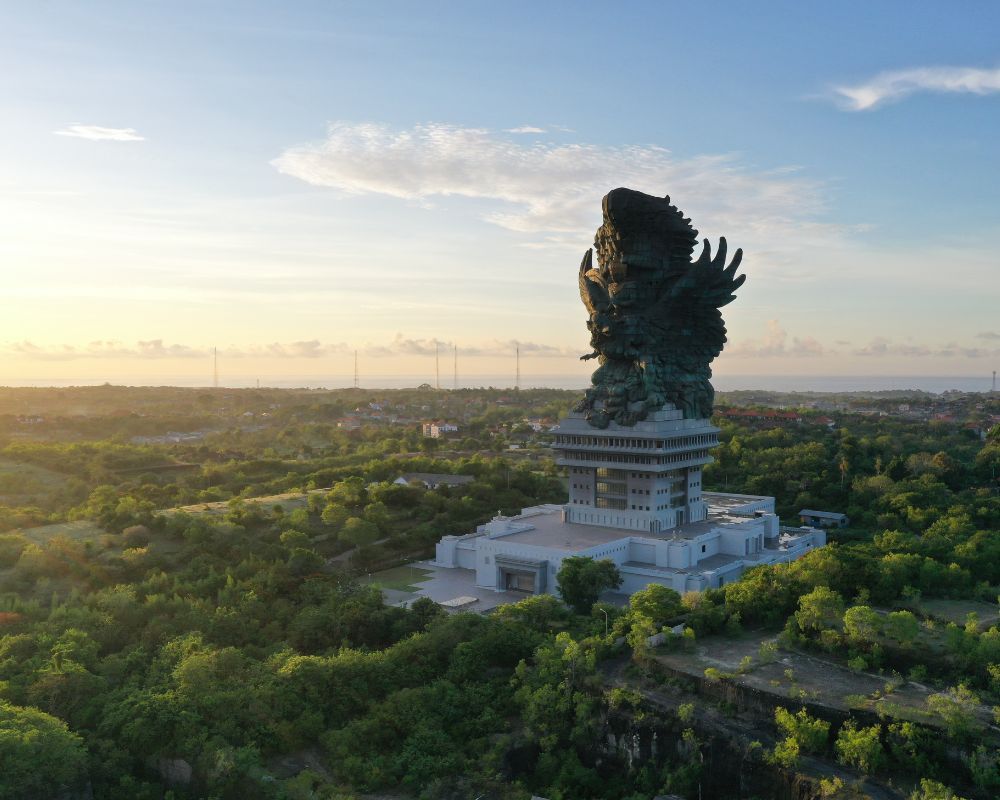
GWK Cultural Park bukan sekadar tempat wisata, melainkan panggung terbuka bagi budaya Bali yang terkenal di dunia. Setiap sudutnya mempersembahkan pertunjukan seni yang autentik, menampilkan keindahan dan keragaman budaya Bali.
Berikut beberapa aktivitas dan jadwal pertunjukan yang bisa Anda nikmati di GWK:
- Plaza Bhagawan (10.00 AM): Saksikan Sekar Jepun Dance dan Jauk Keras Dance, yang menggambarkan keseimbangan antara kelembutan dan kekuatan karakter Bali.
- Plaza Garuda (12.00 PM): Nikmati Gamelan Rindik Performance, alunan bambu yang menenangkan jiwa.
- Plaza Wisnu (2.00 PM & 4.00 PM): Pertunjukan Gender Instrument Performance dan Balinese Cultural Parade menghadirkan perpaduan musik, busana adat, dan tari tradisional yang memukau.
- Tlatar Mandalaloka (10.00 AM – 2.00 PM): Menampilkan berbagai tarian seperti Jauk Keras, Topeng Monyeer, Kebyar Duduk, hingga Balinese Dance Practice yang interaktif.
- GWK Statue Area (11.00 AM & 5.00 PM): Saksikan Oleg Tamulilingan dan Joged Bumbung Dance, dua tarian yang melambangkan cinta dan keceriaan khas Bali.
- Amphitheater (12.00 PM – 6.00 PM): Sepanjang siang hingga sore, Anda bisa menikmati rangkaian pertunjukan seperti: Balinese Dance & Gamelan Practice, Sekar Nirwana Dance dan Kebyar Terompong, Oleg Tamulilingan & Barong Bojog Dance, hingga Special Show BaraOng.
- Festival Park (6.00 PM): Puncak hari di GWK adalah Kecak Show yang spektakuler. Ratusan penari pria berpadu dalam irama “cak-cak-cak” yang menggema, membawa penonton menyelami kisah Ramayana di bawah langit senja Bali.
Baca juga: Patung Tertinggi di Bali: Ikon Budaya Garuda Wisnu Kencana
Pelestarian dan Edukasi: GWK Sebagai Cermin Budaya Bali Modern
Selain menjadi pusat pertunjukan, GWK juga berperan penting dalam pelestarian budaya Bali. Di sini, budaya tidak hanya dipertontonkan, tetapi juga diajarkan dan diwariskan. Pengunjung dapat ikut serta dalam workshop menari, membatik, atau belajar memainkan gamelan. Dengan cara ini, wisatawan bukan sekadar penonton, tetapi juga peserta aktif dalam menjaga keberlanjutan warisan budaya Bali.
GWK juga menjadi tempat kolaborasi antara seniman lokal dan manajemen modern, menciptakan keseimbangan antara tradisi dan inovasi pariwisata. Generasi muda Bali pun memiliki ruang berekspresi dan berkreasi tanpa meninggalkan akar budayanya.
Baca juga: 6 Rekomendasi Wisata Badung Bali Paling Spektakuler
GWK, Wajah Hidup dari Budaya Bali yang Terkenal
Budaya Bali yang terkenal di dunia bukanlah peninggalan masa lalu, tapi ia adalah warisan yang terus bernapas. Di GWK Cultural Park, warisan itu hidup dalam setiap tabuhan gamelan, setiap tarian, dan setiap senyum tulus yang menyambut pengunjung.
Melalui GWK, Bali tidak hanya menunjukkan keindahan budayanya, tetapi juga memperkuat identitasnya sebagai pusat spiritual dan seni dunia.
Jadi, ketika Anda berkunjung ke Bali, jangan lewatkan kesempatan untuk merasakan denyut nadi budayanya di GWK, tempat di mana spiritualitas, seni, dan kemanusiaan berpadu dalam harmoni yang sempurna.