The Story of Panca Maha Bhuta: The Five Basic Elements that Form the Universe in Balinese Hindu Belief
In Balinese Hindu tradition, harmony between nature and humanity is a fundamental value that shapes life. One fundamental concept that embodies this balance is the Panca Maha Bhuta , an understanding of the five basic elements believed to form the universe. These elements are not merely physical entities but also symbols of the cosmic harmony between humans and the universe. The Panca Maha Bhuta teaches Balinese Hindus to respect nature and maintain harmony between humans and the universe. Let's delve deeper into the meaning of each element within the Panca Maha Bhuta.
The 5 Elements of Panca Maha Bhuta
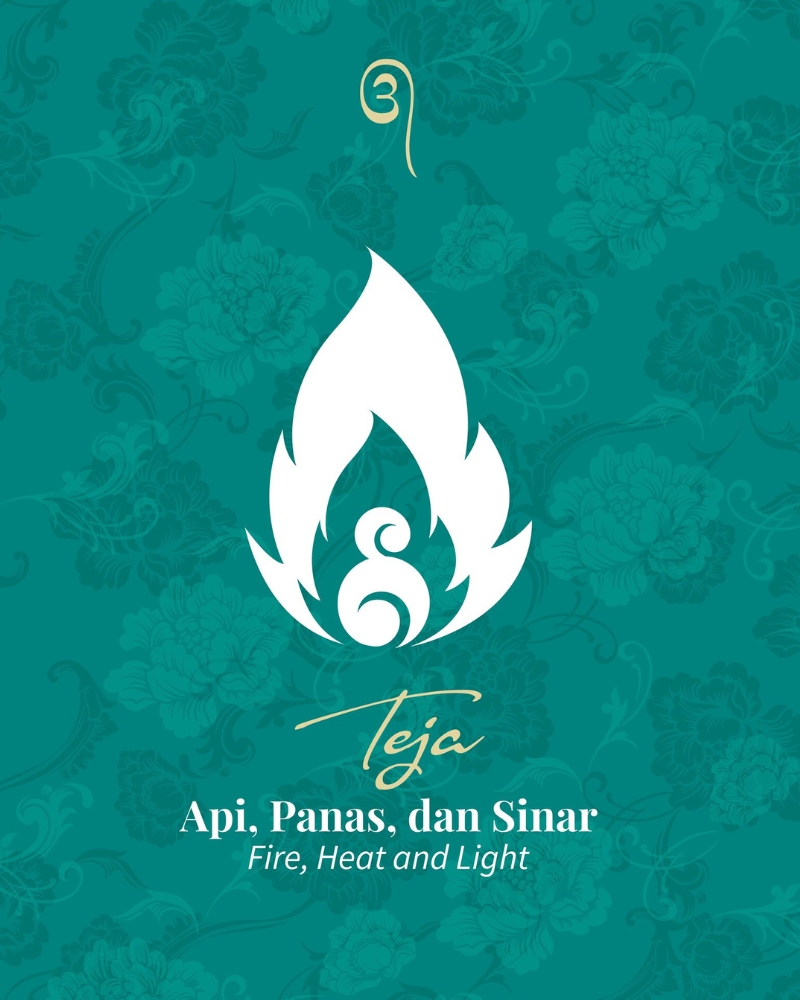
Teja

Teja is the primary element, representing fire, heat, and light. In this concept, fire serves not only as a source of heat but also as a light that illuminates life. In the human body, the Teja element is associated with spirit and strength. Fire has the property of arousing power, so in everyday life, this element represents blazing energy and passion. For Balinese Hindus, fire is a symbol of fusion and purification, as seen in the Ngaben ritual, which uses fire to guide the soul to eternity.
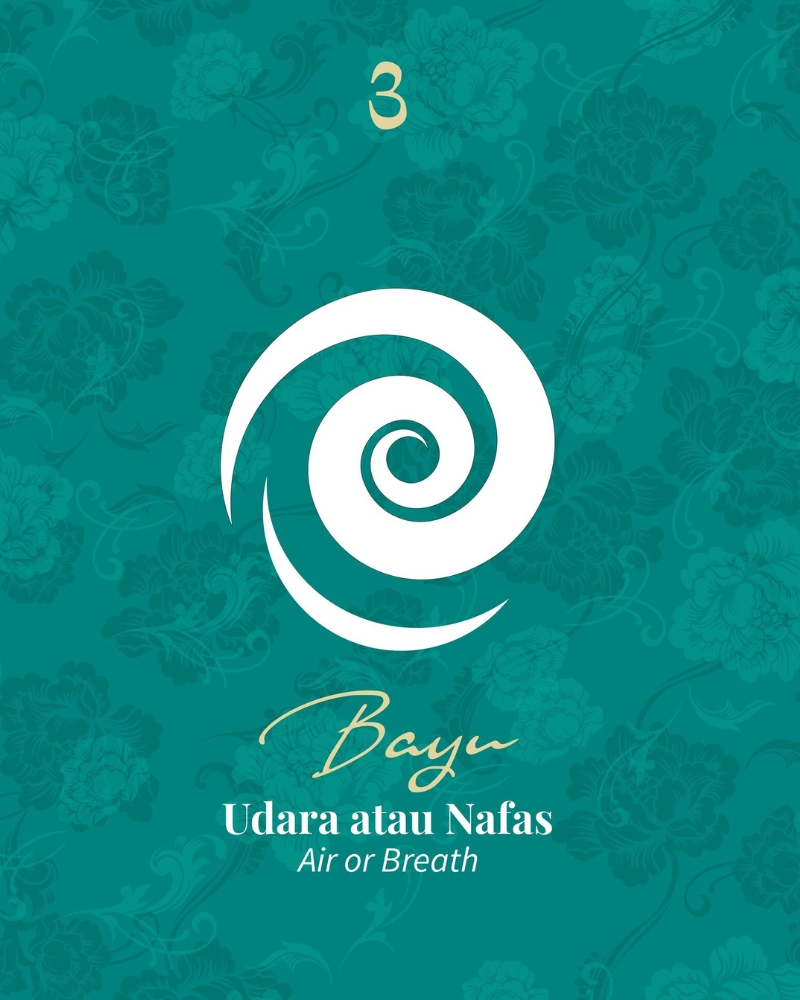
Bayu

Next, there's Bayu , the element of air or breath. Bayu, in the Panca Maha Bhuta, symbolizes life itself, as air is a basic necessity for living things. In the human body, this element is associated with the respiratory system and energy circulation. Air symbolizes freedom, flexibility, and change, which are also characteristics of the universe. In Balinese Hinduism, air is an element that conveys the message that life is in constant motion and change, flowing like the ever-circling air.
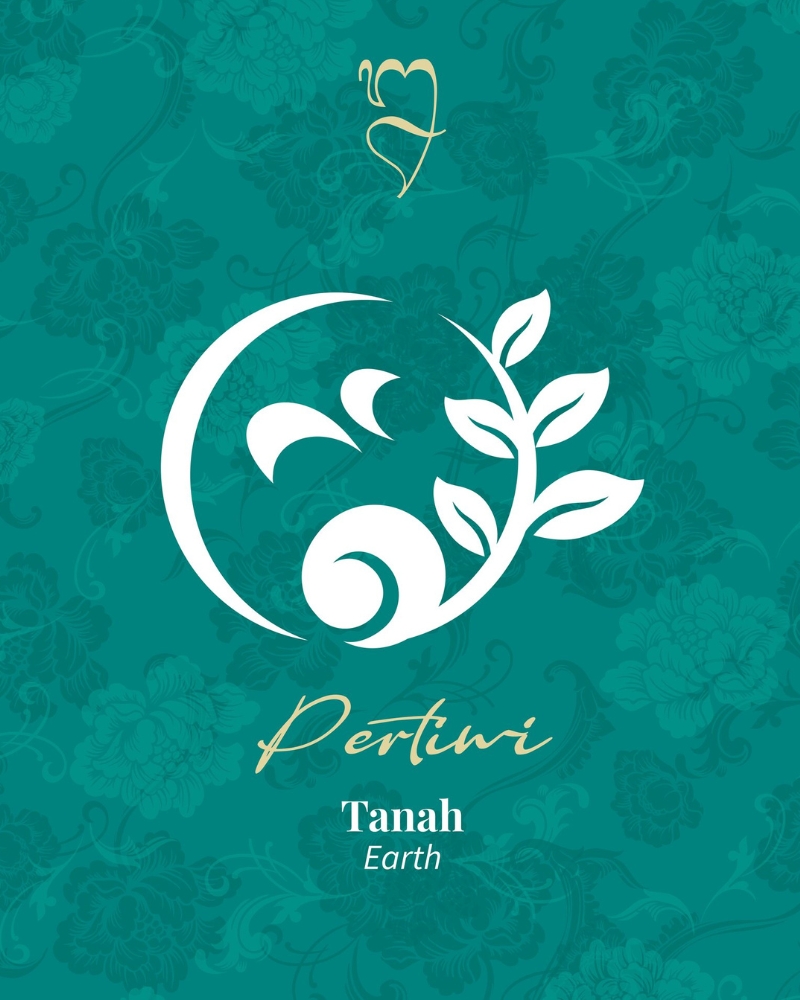
Mother Earth

Pertiwi , or the earth element, symbolizes strength and stability. Earth is believed to be the primary foundation that supports life. In the human body, the earth element is associated with physical strength and health. Soil provides nourishment and tranquility, providing a habitat for all forms of life. Therefore, in Balinese Hinduism, the earth element teaches the importance of maintaining a close relationship with nature, as it provides us with inner strength and peace.
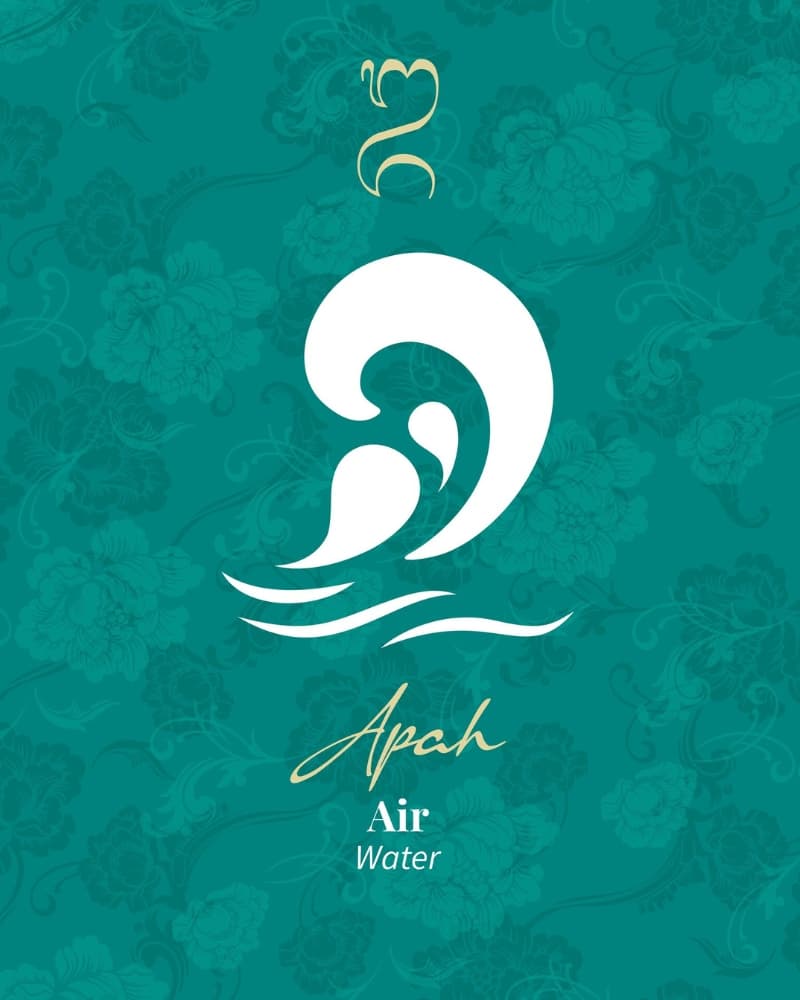
What

Next is Apah , the element representing water. Water in the Panca Maha Bhuta is considered the source of life, as all living things need it to survive. In the human body, this element is associated with the flow of blood and other bodily fluids. Water symbolizes flexibility and adaptability, the property of constantly moving and adapting its form to suit its container. In Balinese Hindu spiritual life, water is often used in purification ceremonies to cleanse oneself, both physically and spiritually.
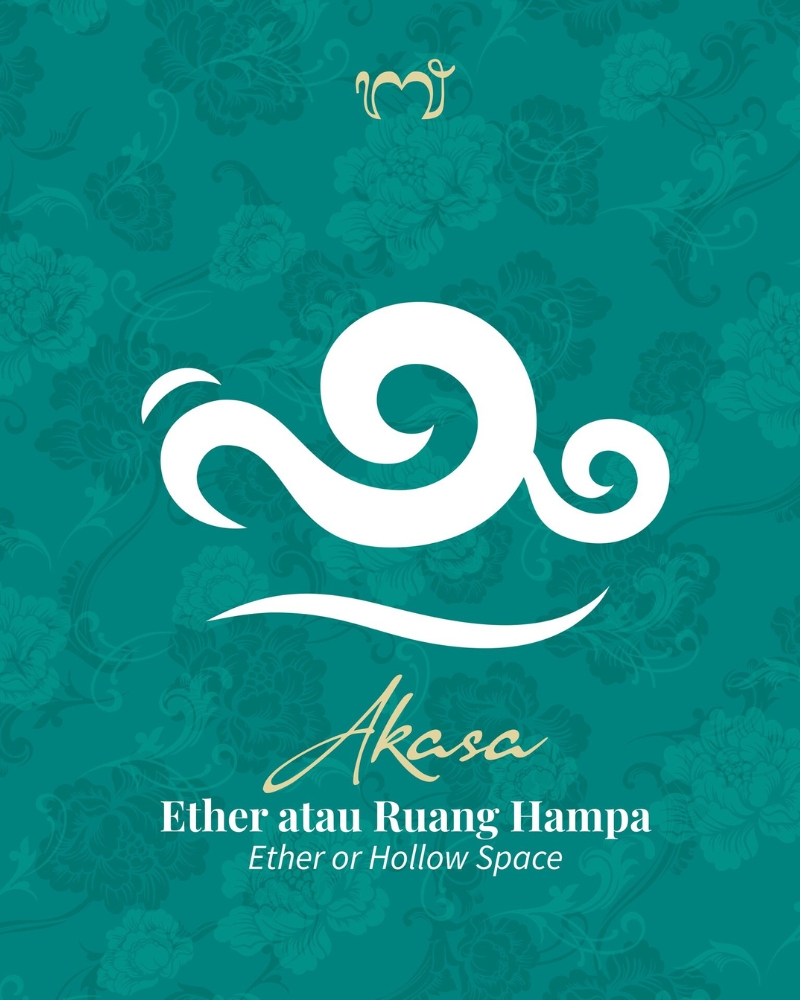
Akasa

Lastly, there's Akasa , which means ether or empty space. Akasa, in the Panca Maha Bhuta, is an invisible element, yet it provides space for other elements to move and function. Ether symbolizes emptiness and tranquility, providing a place for all things to emerge and develop. In humans, Akasa symbolizes the expansive mind and consciousness. In Balinese Hinduism, this element teaches that within each individual there is a sacred empty space, a place where we can connect with the Almighty.
GWK Bali is one of the places that preserves the story of the Panca Maha Bhuta through the spiritual and cultural experience of Parahyangan Somaka Giri . Visiting GWK Bali will give you the opportunity to learn more about the concept of Panca Maha Bhuta, which is the essence of natural harmony in Balinese Hinduism. Plan your vacation to GWK Bali and join this exciting experience by purchasing tickets here .
Gallery