

Indonesia's Most Famous and Iconic Statues, from GWK to National Symbols
Like the Statue of Liberty in America or Christ the Redeemer in Brazil, Indonesia also boasts a series of magnificent statues that symbolize the nation's history, culture, and spirituality. These statues are not merely monumental works of art, but also reflections of regional identity and a cultural heritage deeply embedded in the soul of the people.
Every statue in Indonesia has its own story and meaning, from the struggle for independence, religious values, to symbols of harmony between humans and nature. Among them, the Garuda Wisnu Kencana (GWK) statue in Bali stands tallest as the largest and most iconic masterpiece in the country.
Garuda Wisnu Kencana: The Tallest and Most Iconic Statue in Indonesia

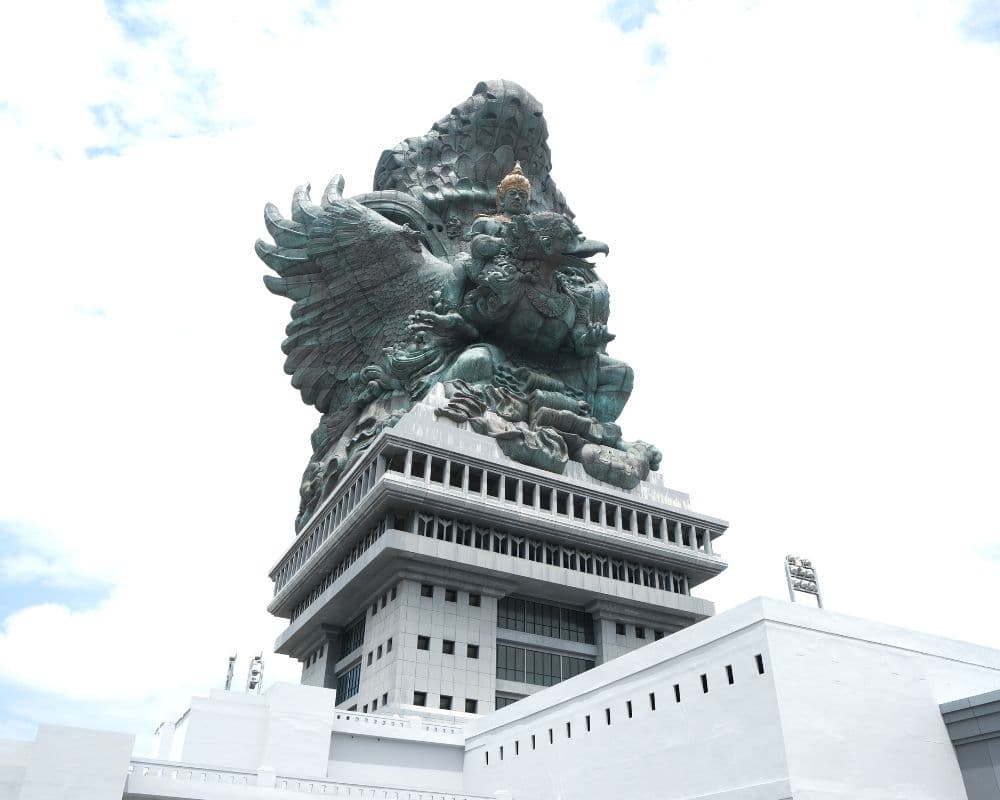
Located on Jalan Raya Uluwatu, Ungasan, Badung, Bali, the Garuda Wisnu Kencana (GWK) statue is a symbol of Indonesian pride, combining art, culture, and spirituality. Inaugurated on September 22, 2018, the statue, created by I Nyoman Nuarta, stands 120 meters tall, making it taller than the Statue of Liberty in the United States.
This statue depicts the god Vishnu riding Garuda, a mythical bird in Hindu mythology that symbolizes devotion and freedom. Vishnu represents the guardian of life and the balance of the universe, while Garuda represents courage, loyalty, and strength. The two unite to represent the harmony between humanity, nature, and spirituality, values that also reflect the spirit of the Indonesian nation.
Attractions at GWK Cultural Park
This magnificent statue stands in the center of a 60-hectare cultural park known as GWK Cultural Park. Here, visitors can enjoy various artistic performances, such as the Barong Dance, the Barong Show, and fine art exhibitions showcasing the creativity of Balinese and Indonesian artists.
Furthermore, the panoramic view of South Bali from the summit of the GWK area is a major draw for both local and international tourists. GWK is now recognized as a major Indonesian cultural landmark and a center for the preservation of Balinese arts and traditions.
Also read: Spectacular Balinese Sculptures, Beautiful from Every Angle!
A List of Other Famous Statues in Indonesia
Indonesia is not only home to GWK, but also boasts numerous iconic statues across various regions, depicting historical values, struggles, and national pride. Here are some of them:
- Welcome Statue (Jakarta): Standing majestically at the Hotel Indonesia (HI) Roundabout since 1962, this statue was designed by Henk Ngantung and sculpted by Edhi Sunarso. It symbolizes the hospitality of the Indonesian people in welcoming guests and tourists from around the world.
- Dirgantara Statue (Jakarta): Also known as the Pancoran Statue, this monument depicts the Indonesian people's passion for conquering the skies. Erected during the reign of President Sukarno, the statue symbolizes the nation's technological advancement and independence in the aerospace sector.
- Sura and Baya Fish Statue (Surabaya): This iconic symbol of Surabaya's pride symbolizes the courage and resilience of the city's residents. The statue is inspired by the legendary battle between a sura fish and a crocodile, which gave rise to the name Surabaya.
- Pancasila Sakti Monument (East Jakarta): This is where the statues of seven revolutionary heroes stand, a symbol of respect for the sacrifices of the G30S/PKI heroes and the spirit of upholding the Pancasila ideology.
- Proclamation Monument (Jakarta): This monument features statues of Ir. Soekarno and Drs. Mohammad Hatta, two proclaimers of the Indonesian nation, commemorating the moments of the Proclamation of Indonesian Independence.
- Jalesveva Jayamahe Statue (Surabaya): The pride of the Indonesian Navy, with the meaning “In the Sea We Are Victorious.” This statue depicts a naval officer standing upright looking out to sea, a symbol of glory and devotion in the Indonesian ocean.
- Christina Martha Tiahahu Statue (Ambon): Honoring the young female hero from Maluku who bravely resisted Dutch colonialism. This statue symbolizes the fighting spirit and courage of Indonesian women.
- The Blessing Jesus Statue (Tana Toraja, South Sulawesi): The Indonesian version of Christ the Redeemer in Brazil. Standing atop Buntu Burake Hill, this statue symbolizes peace, love, and faith among Christians in Tanah Toraja.
- Reclining Buddha Statue (Mojokerto, East Java): Located in the Mojopahit Vihara complex, this statue is one of the largest Buddha statues in Southeast Asia, measuring approximately 22 meters long. It is a symbol of serenity, simplicity, and spiritual wisdom.
- Statue of Lord Murugan (Langkat, North Sumatra): Located in the religious tourism area of Tamil Hindus, this statue is the center of the Thaipusam celebration and depicts the victory of good over evil.
- Gatot Kaca Statue (Bali): Located in the Tuban area, this statue depicts the heroic Gatot Kaca from the Mahabharata epic. Besides its high artistic value, the statue is believed to provide spiritual protection for the Island of the Gods.
GWK is a symbol of the unity of Indonesian arts and culture.

More than just a giant statue, Garuda Wisnu Kencana is a symbol of the unity of Indonesian arts and culture. It serves as a meeting place for tradition and modernity, where various cultural events are held to strengthen the nation's identity.
Every year, GWK Cultural Park hosts arts festivals, Barong dance performances, international music concerts, and various cultural exhibitions. Its atmosphere blends local Balinese wisdom with modern creativity, creating an inspiring experience for visitors.
GWK is now not only a tourist destination but also an icon of Indonesian tourism in the eyes of the world. It symbolizes the nation's spirituality, art, and creativity, which continue to develop without losing the archipelago's cultural roots.
Travel Tips: Witnessing the Majestic GWK Statue in Bali
Planning to visit GWK Cultural Park? Here are some tips to make your experience even more memorable:
- Best time to visit: late afternoon before sunset, when the golden light illuminates the statue and creates a beautiful silhouette against the South Bali sky.
- Exploration inside the statue : don't miss a tour inside the GWK structure, especially the museum on the 9th and 23rd floors which displays the history of its construction.
- Watch an arts performance: such as the Baraong Show, which depicts classic Balinese stories with energetic music and dance.
- Enjoy dinner: at Jendela Bali Lounge Resto, you can enjoy Balinese cuisine while gazing at the beauty of the city from above.
- Bring your best camera: every corner of GWK offers stunning views that must be captured.
Also read: Understanding the Manifestations of Local Wisdom in Modern Bali
Statues, Mirrors of Indonesia's Soul and Creativity
From the Garuda Wisnu Kencana statue in Bali to the Dirgantara statue in Jakarta, every statue in Indonesia has a story, value, and philosophical significance that enriches the nation's identity. They are witnesses to history, symbols of faith, and manifestations of the extraordinary creativity of the Indonesian people.
Of all of them, GWK stands out as the most majestic, not only an icon of national pride but also a reminder that art and culture are the lifeblood of the Indonesian people. What are you waiting for? Schedule your visit to GWK Cultural Park now!
Gallery

