

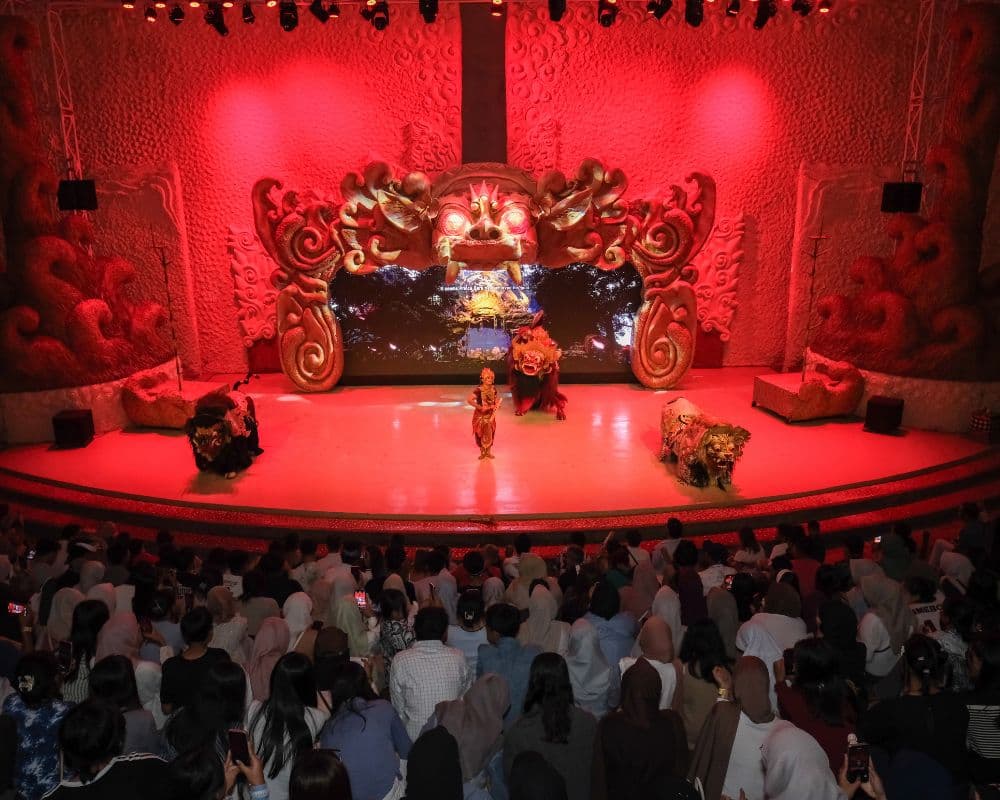
8 Cultural Parks in Indonesia, Including GWK Cultural Park
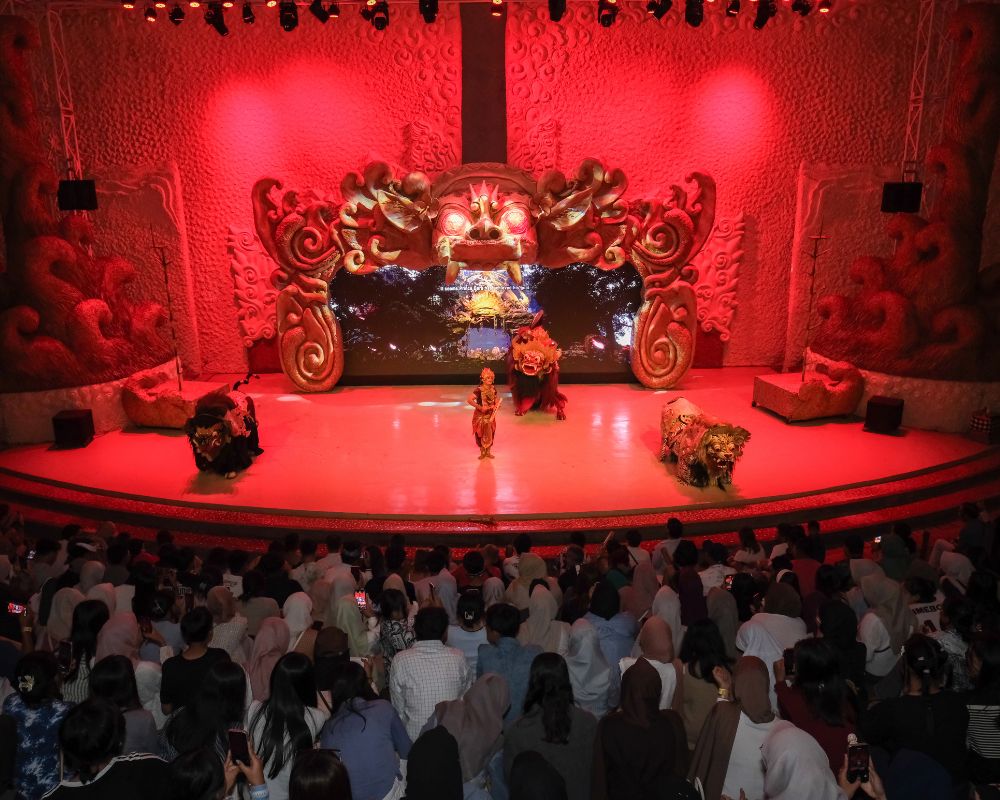
Pelestarian budaya dapat dilakukan dengan banyak cara. Mulai dari membuat pentas, mengembangkan budaya yang ada, hingga membuat taman budaya sebagai salah satu ruang yang dapat dimaksimalkan untuk berbagai kegiatan terkait hal tersebut.
Namun sebenarnya apa yang dimaksud dengan taman budaya? Mengapa banyak sekali daerah di Indonesia memiliki tempat seperti ini?
Lebih jauh tentang pengertian, dan lengkap dengan beberapa contohnya yang ada di Indonesia, bisa Anda cermati di sini.
Mengenal Konsep Taman Budaya
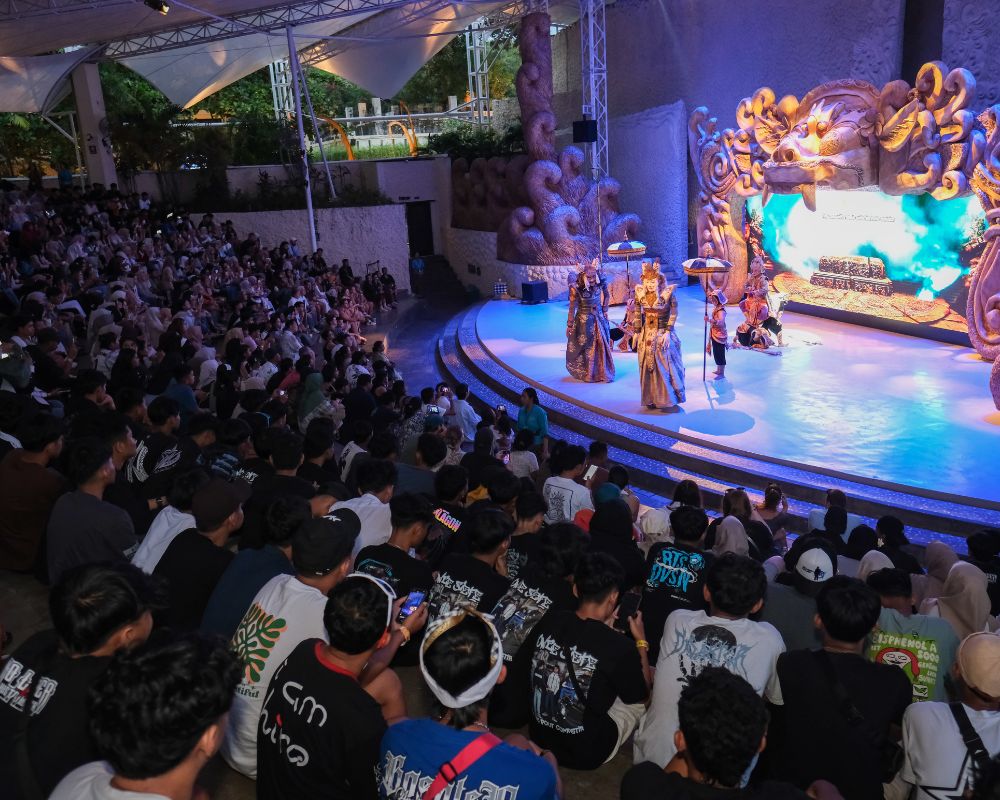
Keberadaan taman budaya di berbagai kota dan daerah di Indonesia memegang peranan penting dalam upaya pelestarian dan pengembangan budaya itu sendiri. Di waktu yang sama, ruang-ruang ini juga dimanfaatkan sebagai ruang yang kondusif untuk pementasan berbagai seni, diskusi terbuka, serta forum-forum produktif masyarakat secara umum.
Konsep Taman Budaya secara Umum
Definisinya, seperti dikutip dari situs goodnewsfromindonesia.id, dipahami sebagai taman atau kompleks seni dan budaya yang dibuat untuk melestarikan, memperkenalkan, sekaligus mempromosikan kebudayaan Indonesia.
Masing-masing taman yang ada di Indonesia menampilkan aspek budaya daerah yang otentik, seperti seni musik, kerajinan tangan, pakaian tradisional, tari, tradisi, serta ciri khas budaya daerah tersebut baik yang tampak atau yang tidak tampak.
Secara praktis, ruang ini merupakan ruang publik yang menjadi pusat pengembangan, praktek, riset, serta seluruh aktivitas yang terkait dengan budaya dan tradisi.
Apa Fungsinya?
Dilihat dari segi fungsinya, ruang ini akan memiliki sedikitnya empat poin penting.
- Pusat kegiatan seni, untuk pertunjukan, pameran, dan festival.
- Titik kumpul seniman, menyediakan ruang untuk seniman bertemu, berlatih, dan berkolaborasi atau mengembangkan seni yang dimiliki.
- Melestarikan dan mengembangkan budaya, dengan keberadaan ruang yang kondusif untuk kegiatan terkait budaya.
- Promosi dan apresiasi budaya untuk masyarakat luas sehingga budaya dapat terus bertahan, dinikmati, dan dilanjutkan dari satu generasi ke generasi lain.
Perannya dalam Masyarakat
Keberadaan fasilitas publik ini di masyarakat memiliki peran yang besar. Selain menyediakan ruang kondusif untuk kegiatan budaya, taman seperti ini juga dapat membantu melestarikan budaya yang dimiliki oleh masyarakat.
Pementasan, riset, dan pengembangan dapat dilakukan oleh siapa saja yang memiliki concern pada sektor budaya, sebab ruang terbuka ini disediakan untuk siapapun yang ingin turut serta dalam kegiatan yang ada.
Ragam Taman Budaya di indonesia: Pusat Seni dari Sabang sampai Merauke
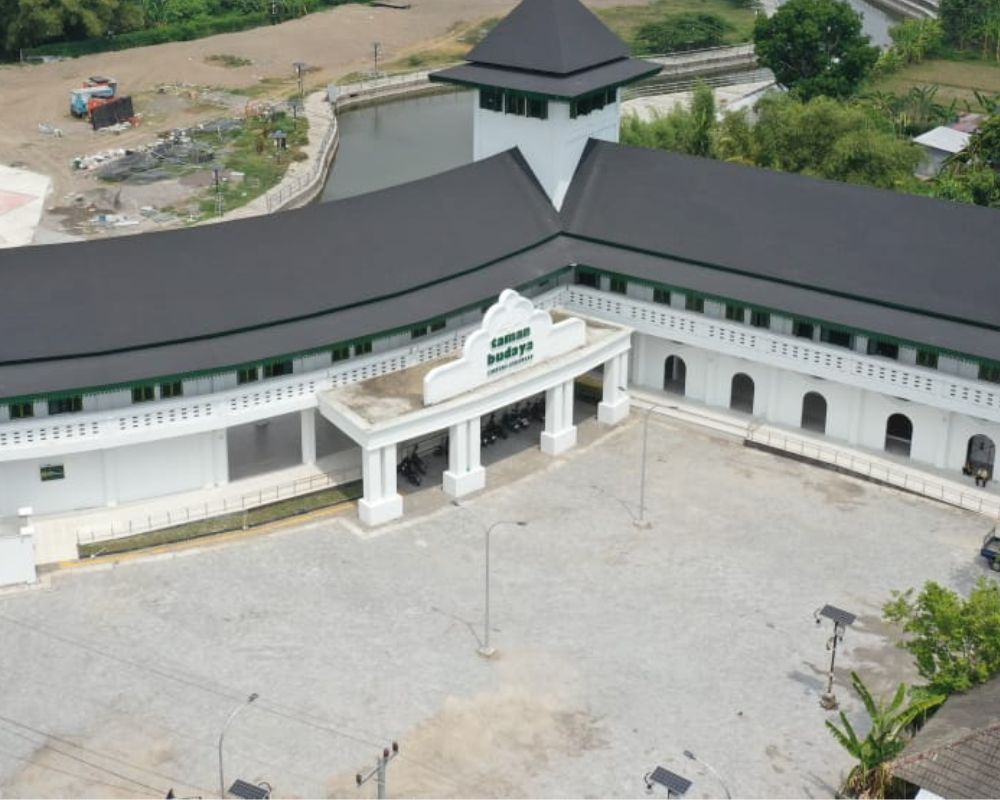
Di Indonesia sendiri terdapat cukup banyak taman budaya yang hingga saat artikel ini ditulis masih aktif dan menyediakan ruang untuk masyarakat luas. Setidaknya terdapat 7 taman budaya yang bisa dicermati pada artikel singkat ini.
1. Taman Budaya Yogyakarta
Berlokasi di Jalan Sriwedani Nomor 1, Ngupasan, Gondomanan, Kota Yogyakarta, lokasinya berada di tengah kota dan sangat mudah dijangkau dengan kendaraan pribadi atau kendaraan umum. Jika dicermati lokasi ini sangat dekat dengan Benteng Vredeburg dan Taman Pintar.
Di sana, terdapat cukup banyak fasilitas yang dimanfaatkan masyarakat. Mulai dari Concert Hall Taman Budaya, hingga Gedung Societet Militair yang sering menjadi venue pertunjukan kebudayaan.
2. Taman Budaya Lampung
Taman Budaya Lampung terletak di Jalan Cut Nyak Dien Nomor 24, Palapa, Kecamatan Tanjung Karang Pusat, Kota Bandar Lampung. Tempat ini jadi salah satu bangunan penting di Bandar Lampung, dan sering digunakan untuk berbagai kegiatan seni dan budaya.
Berdiri pada tahun 1984 lalu, Taman Budaya Lampung memegang peran besar dalam menjembatani masyarakat dan seniman untuk berkolaborasi. Di sisi lain, tempat ini juga menyediakan ruang untuk seniman tradisional Lampung yang ingin mementaskan karyanya, untuk dinikmati masyarakat luas.
3. Taman Budaya Jambi
Selanjutnya adalah Taman Budaya Jambi. Tempat ini berlokasi di Jalan Otto Iskandardinata Nomor 4, Kecamatan Jambi Timur, Kota Jambi. Lokasi ini menjadi fasilitas yang dikelola oleh pemda setempat untuk mengembangkan kesenian dan kebudayaan di Jambi.
Berdiri sejak tahun 1991 lalu, pembangunannya merupakan hasil inisiatif kolektif seniman di Jambi. Hingga kini masih difungsikan dengan baik sebagai pusat pameran, teater, hingga tempat berbagai aktivitas seni dan budaya.
4. Taman Budaya Padang
Taman Budaya Padang sendiri berada di Jalan Jenderal Sudirman, Ulak Karang Utara, Kecamatan Padang Utara, Kota Padang. Taman ini juga dikenal sebagai Taman Budaya Sumatera Barat dan menjadi salah satu pusat kebudayaan di kota tersebut.
Hingga saat artikel ini ditulis, taman tersebut masih berfungsi dengan baik. Tidak hanya untuk pementasan dan pameran saja, Anda juga dapat melihat banyak seniman yang melakukan eksperimen karya seni unik dan modern.
5. Taman Budaya Gunung Kidul
Lokasinya ada di Jalan Lingkar Utara, Kelurahan Logandeng, Kepanewon Playen, Kabupaten Gunungkidul. Komplek ini memiliki luas area mencapai 2,8 hektar, dan ditunjang dengan berbagai fasilitas yang mendukung kegiatan seni dan budaya.
Mulai dari panggung seni, Joglo Pendopo, amphitheater, kantor pengelola, masjid dan tempat ibadah, foodcourt, dan sebagainya. Tempat ini sendiri diresmikan oleh Sri Sultan Hamengku Buwono X pada tahun 2012 lalu, dan pada usianya yang ke-13 tahun, masih eksis menyediakan ruang yang kondusif untuk berkesenian.
6. Taman Budaya Kulon Progo
Jika ingin singgah, Taman Budaya Kulon Progo berada di Jalan Kawijo Nomor 5, Pengasih, Wates, Kulon Progo, DIY. Fasilitas ini dikelola oleh UPT Pengelolaan Taman Budaya dan Dinas Kebudayaan, dan hingga sekarang masih berfungsi optimal.
Ruang pertunjukan yang diselenggarakan berupa tiga joglo berukuran besar, dengna gapura berbentuk gunungan wayangan yang memiliki motif geblek di dalamnya. Geblek sendiri adalah makanan khas Kulon Progo, yang sekaligus menjadi simbol bersatunya nilai seni dan budaya yang ada di Kulon Progo.
7. Taman Budaya Banjarmasin
Jika dikenal dengan sebutan Taman Budaya Kalimantan Selatan, letaknya ada di Jalan Brigjend H. Hasan Basri, Pangeran, Kecamatan Banjarmasin Utara, Kota Banjarmasin. Tempat ini menyediakan sanggar tari, ruang untuk komunitas modern, serta berbagai pengembangan seni tradisional.
Pertunjukan dan pagelaran seni dan budaya masih sering dilaksanakan di kompleks yang satu ini, sehingga bisa menjadi salah satu tujuan wisata saat Anda singgah ke Banjarmasin.
Keberadaan taman budaya di berbagai daerah ini menjadi salah satu bentuk nyata upaya menyediakan ruang pengembangan bagi seni, tradisi, dan budaya yang dimiliki setiap daerah agar tetap lestari hingga jangka waktu yang lama.
Salah satu yang mungkin terbesar dan belum dibahas terletak di Bali, yakni Garuda Wisnu Kencana Cultural Park. Ya, area yang terkenal karena patung raksasa yang ikonik ini sejatinya adalah taman budaya, yang menjadi perpaduan harmonis antara landmark raksasa, seni pertunjukan, serta pengalaman budaya yang lengkap untuk semua orang.
Baca juga: Budaya Bali: Menyelami Tradisi, Spiritualitas, dan Seni Pertunjukan di GWK Cultural Park
GWK Cultural Park: Taman Budaya Ikonik di Pulau Dewata
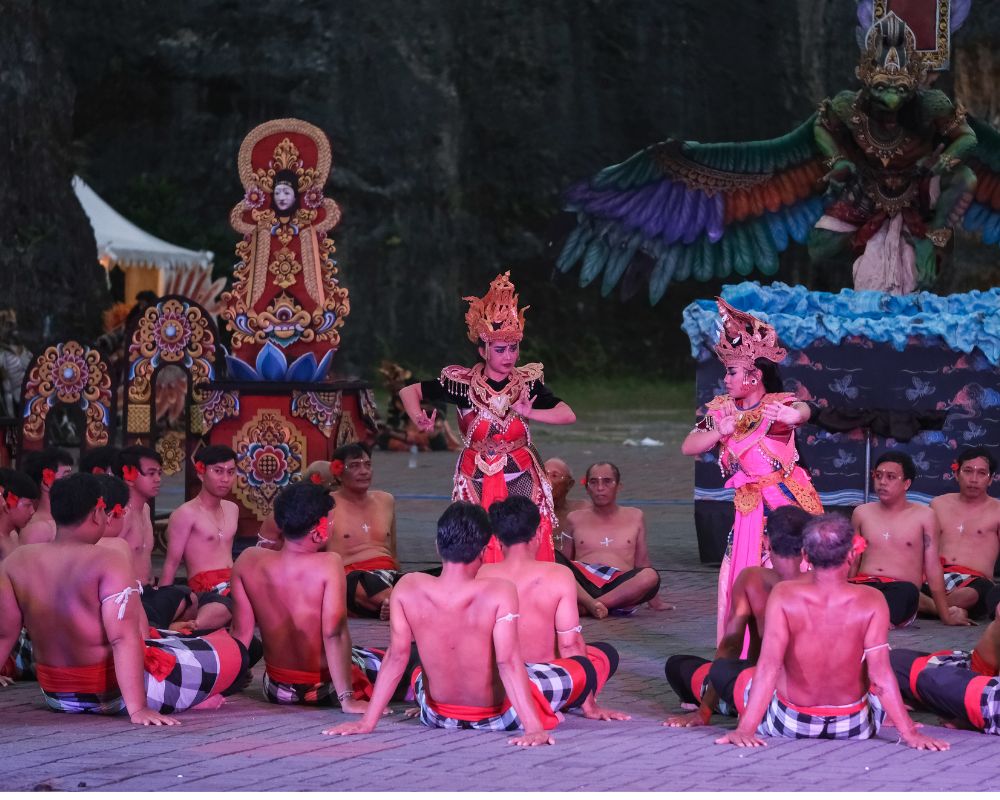
Garuda Wisnu Kencana Cultural park merupakan kompleks taman modern terpadu yang ada di Bukit Ungasan, Bali Selatan. Kompleks ini mudah dikenali berkat Patung Garuda Wisnu Kencana yang berukuran raksasa, yang menjadi salah satu mahakarya seniman modern Indonesia di era ini.
Secara teknis, patung raksasa ini memiliki tinggi hingga 121 meter, dan menjadikannya salah satu patung tertinggi di dunia. Di dalam kompleks taman ini terdapat pagelaran seni pertunjukan, budaya Bali, dan sederet destinasi rekreasi seru yang bisa dinikmati.
Venue Seni dan Fasilitas Utama
Di dalam kompleksnya, GWK Cultural Park memiliki cukup banyak area pementasan. Beberapa diantaranya adalah sebagai berikut:
- Amphitheater, merupakan venue dengan bentuk semi-outdoor yang digunakan untuk berbagai pertunjukan tari dan musik rutin.
- Lotus Pond, merupakan area outdoor terbesar untuk berbagai event budaya, konser, hingga pertunjukan berskala besar.
- Plaza Wisnu, merupakan area publik di titik tertinggi GWK dengan patung Dewa Wisnu sebagai ikon utamanya. Area ini digunakan untuk pertunjukan tari, acara budaya, dan salah satu spot terbaik menikmati pemandangan Bali Selatan dari ketinggian.
Top of The Statue Tour: Pengalaman Ikonik dari Dalam Patung GWK
Selain menikmati area yang tersedia, Anda juga dapat mencoba tur eksklusif naik ke puncak Patung GWK. Tur ini dilakukan dengan masuk ke dalam patung tersebut, dan menikmati setiap detail patung dari dalam dan dekat.
Tersedia museum interaktif yang akan menyajikan ragam informasi menarik dan penuh insight untuk Anda sehingga Anda mengenal patung dan nilainya lebih dalam. Kemudian Anda akan dapat menikmati pemandangan spektakuler dari viewpoint ikonik yang ada di ketinggian kurang lebih 122 meter, dengan panorama 360 derajat dari titik tersebut.
Ragam Pertunjukan Seni dan Budaya di GWK Cultural Park
GWK Cultural Park juga menjalankan fungsinya sebagai taman budaya, dengan menjadi rumah untuk ragam pertunjukan seni dan budaya. Setiap hari terdapat pementasan tari Bali yang cantik, seperti Sekar Jepun, Jauk Keras/Manis, Oleg Tamulilingan, Tari Topeng Monyet, hingga Tari Kecak Garuda Wisnu Kencana.
Ada pula pertunjukan musik tradisional berupa Gamelan Rindik yang dimainkan sepanjang hari untuk menyambut dan mengisi Anda saat datang ke kompleks taman budaya ini. Ditambah dengan parade budaya Bali yang dilakukan setiap sore dari Amphitheater hingga ke Plaza Wisnu, menambah kentalnya nuansa budaya di Bali.
Baraong Show, Puncak Inovasi Seni Bali
Untuk menutup hari Anda di GWK Cultural Park, Baraong Show siap jadi pertunjukan pamungkas yang dinikmati. Pertunjukan teatrikal ini memadukan Tari Barong, seni teater, multimedia, serta kostum kontemporer yang mengesankan, hasil pengembangan tari tradisional yang dipentaskan dengan cara lebih modern tanpa meninggalkan nilai akarnya.
Anda akan menjumpai lima barong di satu pertunjukan yang sama, didukung dengan efek visual 3D, musik gamelan modern, serta interaksi dengan penonton yang membuatnya semakin spektakuler.
Cara menutup pengalaman terbaik di GWK Cultural Park yang paling ideal.
Peran GWK Cultural Park sebagai Taman Budaya Modern
Hingga saat ini, GWK Cultural Park menjadi taman budaya modern yang menjalankan peran besar untuk masyarakat secara umum. Keberadaan GWK Cultural Park dan semua pagelaran seni di dalamnya membantu melestarikan kesenian tradisional Bali, sekaligus menjadi pusat pengembangan yang progresif.
Di sisi lain, tempat ini juga menjadi pusat edukasi budaya bagi wisatawan lokal dan mancanegara yang tertarik mengenal lebih jauh tentang budaya bali.
Alasan Berkunjung ke GWK dan Tipsnya
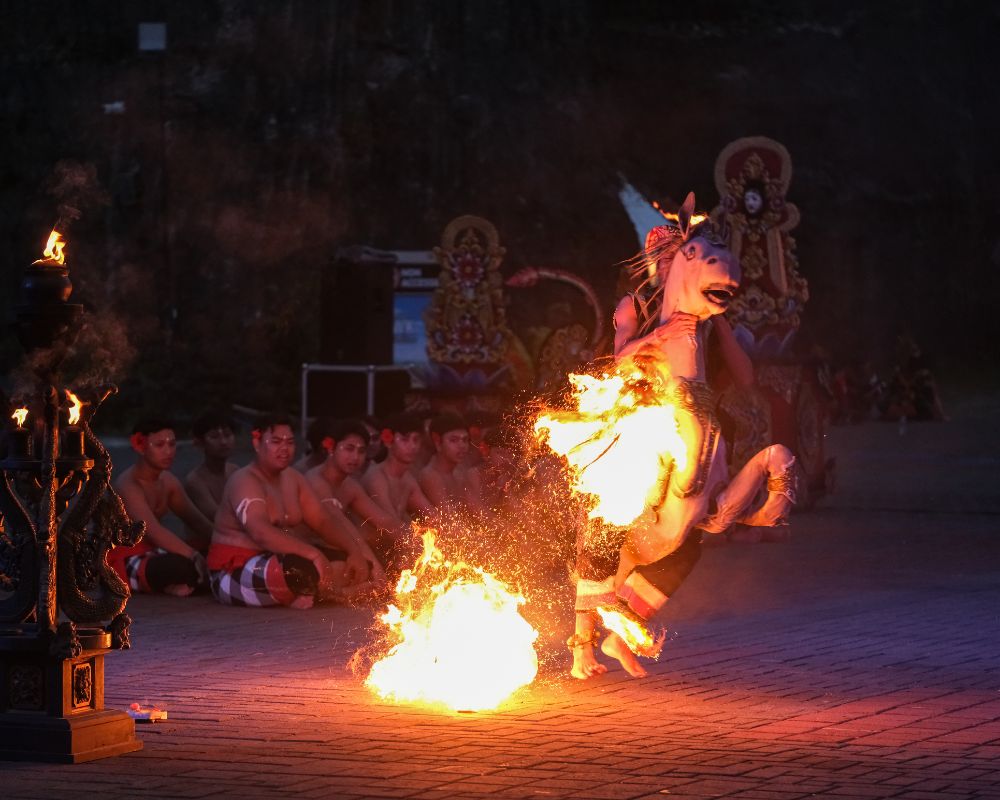
Setelah mengetahui lebih jauh mengenai GWK Cultural Park, terdapat beberapa poin penegasan yang dapat menjadi alasan mengapa Anda harus singgah.
- Pertama, terdapat keragaman seni dan pertunjukan setiap hari.
- Kedua, atraksi edukatif dan sarat akan nilai, seperti Top of The Statue Tour.
- Ketiga, didukung seniman lokal dan komunitas budaya.
- Keempat, venue profesional kelas dunia yang juga ditunjang dengan fasilitas yang canggih.
- Kelima, pengalaman yang memadukan wisata, seni, dan pembelajaran budaya yang penuh nilai.
Untuk bisa menikmati pengalaman secara maksimal, beberapa tips berikut juga bisa jadi poin berguna.
- Datang lebih awal untuk berkeliling dan menikmati semua area GWK Cultural Park, sekaligus mendapatkan spot foto terbaik di setiap tempat.
- Cek jadwal pertunjukan di situs resmi atau akun Instagram resmi kami pada @gwkbali.
- Jangan lewatkan kesempatan menikmati sunset di sore hari, pertunjukan puncak, serta waktu bersantai di Jendela Bali Restaurant untuk mengakhiri agenda wisata Anda.
- Beli Tiket GWK Cultural Park secara online untuk menghindari antrean, dan kenyamanan ekstra.
Baca juga: Program Edukasi Seni di GWK: Mengenal Barong di Baraong Show
Taman seperti ini pada akhirnya adalah wajah hidup dari seni nusantara, yang terus menjaga warisan agar tetap relevan. Menjadi salah satu di antara sekian cultural park yang masih eksis di Indonesia, GWK Cultural Park senantiasa memadukan pertunjukan seni, landmark ikonik, serta tur edukatif yang bernilai untuk siapa saja yang datang, menjadi contoh ekosistem cultural park yang progresif tanpa meninggalkan nilai akar budaya Bali yang sesungguhnya.
Siap merasakan seni, budaya, dan pengalaman ikonik di Bali? Segera rencanakan kunjungan Anda ke taman budaya Garuda Wisnu Kencana sekarang juga, dan nikmati semua keseruannya secara langsung!
Referensi:
- https://www.goodnewsfromindonesia.id/2023/07/27/8-taman-budaya-yang-ada-di-indonesia-dari-sentul-sampai-yogyakarta#google_vignette
- https://akperpemkabponorogo.ac.id/2025/07/12/taman-budaya-yogyakarta-pusat-seni-dan-budaya-kreatif-kota/
- https://forumsumbar.com/opini/47797/taman-budaya-sumbar-menuju-mental-sadar-budaya/#:~:text=Sebagai%20ruang%20interaksi%2C%20pendidikan%2C%20dan%20ekspresi%20budaya%2C,kolektif%20masyarakat%20terhadap%20pentingnya%20pelestarian%20budaya%20lokal?