

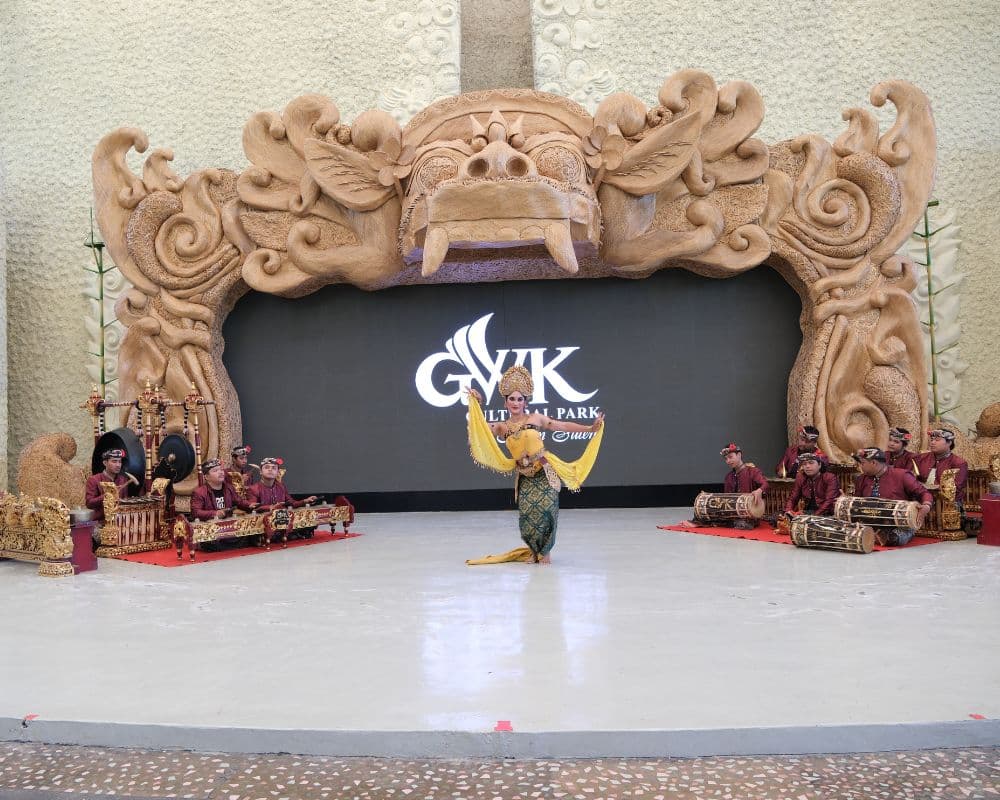
Stunning Balinese Dance at GWK Cultural Park, an Unforgettable Cultural Experience
Ketika berbicara tentang Bali, banyak orang langsung membayangkan pantai berpasir putih, pura megah, hingga suasana tropis yang menenangkan. Namun, ada satu aspek budaya yang selalu berhasil memikat hati wisatawan, yaitu tari Bali. Dengan kostum berwarna-warni, gerakan halus nan rumit, serta iringan gamelan yang magis, setiap pertunjukan tari Bali mampu menggetarkan jiwa siapa pun yang menyaksikannya.
Bagi masyarakat Bali, tarian bukan sekadar hiburan, melainkan warisan budaya yang hidup. Tari Bali terhubung erat dengan spiritualitas Hindu Bali, sarat makna simbolis, sekaligus menjadi media untuk menyampaikan kisah epik Ramayana, Mahabharata, hingga legenda rakyat.
Tak heran, banyak turis mancanegara maupun domestik menjadikan pertunjukan tari Bali sebagai agenda wajib saat berkunjung. Dan salah satu tempat terbaik untuk menikmatinya dalam satu lokasi lengkap adalah GWK Cultural Park, destinasi ikonik dengan patung Garuda Wisnu Kencana setinggi 121 meter yang kini menjadi landmark Pulau Dewata.
Apa yang Membuat Tari Bali Begitu Unik?
Ada alasan mengapa tari Bali begitu istimewa dan mudah dikenali di antara ribuan tradisi tari di dunia.
- Koneksi Spiritual: Tari Bali merupakan bagian tak terpisahkan dari upacara keagamaan. Banyak tarian dipersembahkan sebagai wujud bakti kepada dewa, sehingga setiap gerakan mengandung doa dan makna spiritual.
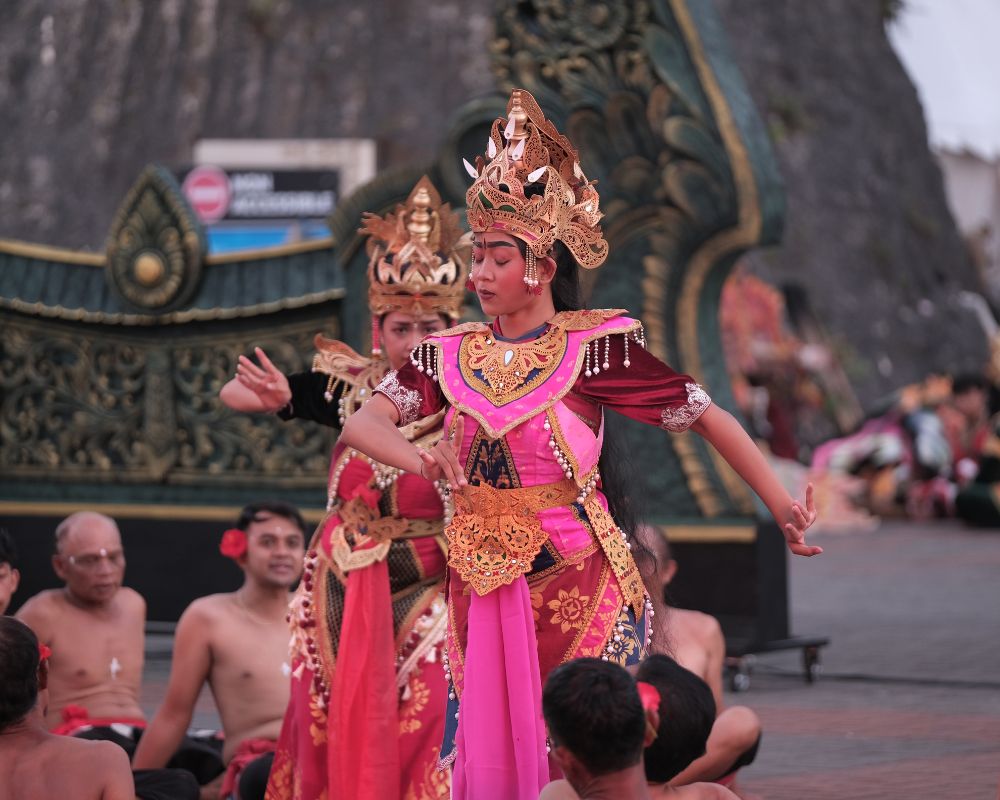
- Gerakan Rumit: Ciri khas tari Bali terletak pada detail gerakan, yaitu mudra (posisi tangan), seledet (tatapan mata tajam yang dinamis), serta postur tubuh anggun namun penuh energi. Kombinasi ini menjadikan tari Bali unik sekaligus menuntut disiplin tinggi bagi penarinya.
- Kostum & Tata Rias: Busana tari Bali sarat dengan simbol, dihiasi kain songket berkilau, mahkota emas, serta bunga-bunga segar. Tata rias wajah dibuat tegas dengan alis melengkung dan mata besar, menambah ekspresi dramatis dalam setiap gerakan.
- Gamelan Bali: Musik gamelan adalah jiwa dari tari Bali. Ritme cepat, pukulan gong yang dalam, hingga denting kendang membangun suasana mistis yang tak terlupakan.
- Penceritaan: Tari Bali bukan sekadar koreografi, melainkan sebuah narasi visual. Lewat gerakan tangan, ekspresi mata, dan perubahan tempo, kisah epik Hindu serta cerita rakyat Bali tersampaikan dengan penuh daya magis.
Menikmati Kaleidoskop Tari Bali di GWK Cultural Park
GWK Cultural Park adalah salah satu destinasi budaya paling lengkap di Bali. Di sini, wisatawan bisa menyaksikan berbagai tari Bali dalam satu kawasan, mulai dari tarian sakral, klasik, hingga pertunjukan kreasi baru yang lebih modern.
Dengan amphitheater megah, Lotus Pond yang berkapasitas ribuan orang, hingga latar belakang patung Garuda Wisnu Kencana yang monumental, setiap pertunjukan terasa semakin dramatis. Suasana budaya berpadu dengan kemegahan arsitektur modern, menciptakan pengalaman menonton yang tak terlupakan.
Setiap hari, GWK Cultural Park menghadirkan jadwal pertunjukan rutin, sehingga wisatawan tak perlu khawatir melewatkan kesempatan. Beberapa tarian yang bisa disaksikan di GWK antara lain:
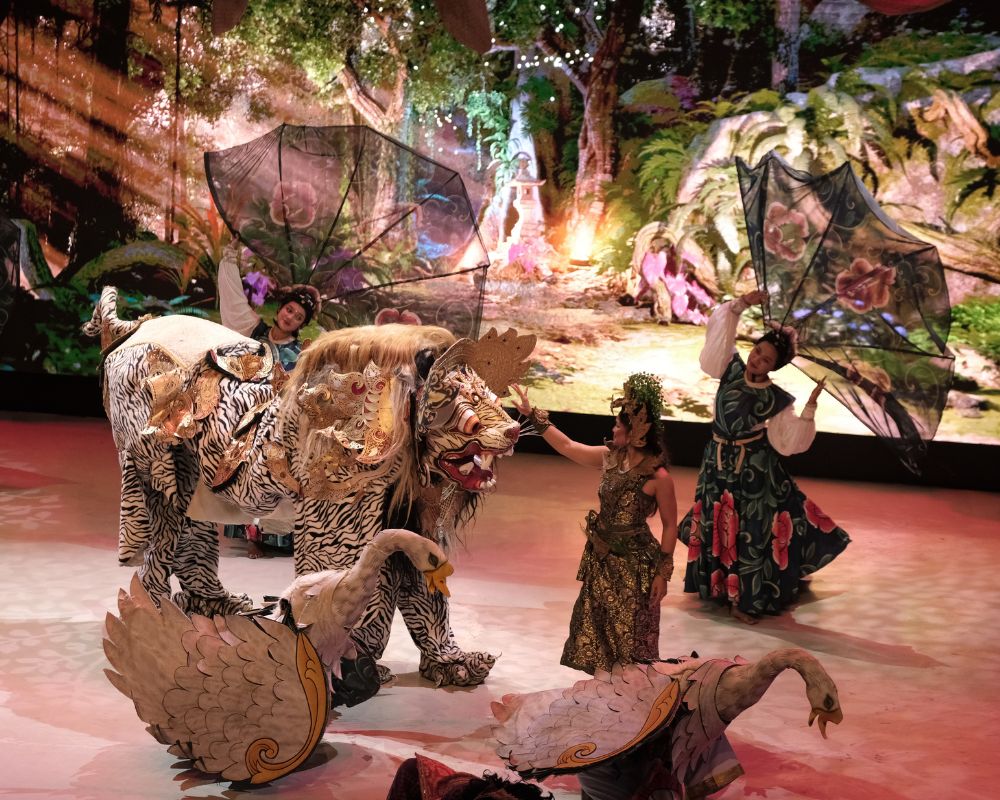
- Tari Barong (Barong Show): kisah pertarungan abadi antara kebaikan (Barong) dan kejahatan (Rangda).
- Tari Sekar Nirwana: tarian kreasi terinspirasi dari bunga lotus.
- Tari Jauk Manis: menampilkan raja bijak dengan gerakan anggun.
- Tari Topeng Monyer: penuh humor, sering mengundang interaksi dengan penonton.
- Tari Barong-Bojog: kolaborasi unik antara Barong dan karakter monyet.
- Joged Bumbung: tarian sosial yang melibatkan audiens secara langsung.
- Kecak Garuda Wisnu Kencana: versi eksklusif kecak yang mengisahkan legenda Garuda.
- Tari Kebyar Terompong: penari sekaligus memainkan instrumen terompong.
- Tari Oleg Tamulilingan: duet romantis yang menggambarkan tarian dua lebah.
- Tari Sekar Jepun: terinspirasi bunga frangipani yang harum.
- Tari Topeng Kenyum Manis: karakter pedagang ramah penuh senyum.
- Tari Jauk Keras: menampilkan raksasa garang dengan topeng merah.
- Tari Kebyar Duduk: koreografi unik dalam posisi duduk atau setengah duduk.
GWK adalah Tempat Terbaik Menyaksikan Tari Bali
Menonton tari Bali di GWK Cultural Park bukan sekadar menyaksikan pertunjukan, melainkan sebuah pengalaman budaya utuh. Berikut alasannya:
- Pengalaman Budaya Mendalam: Wisatawan tidak hanya menonton, tetapi juga bisa memahami filosofi, makna spiritual, hingga cerita rakyat di balik tarian.
- Latar Spektakuler: Dengan patung Garuda Wisnu Kencana yang menjulang, setiap pertunjukan terasa lebih magis dan ikonik.
- Kualitas Pertunjukan: Semua tarian dibawakan oleh penari profesional dengan koreografi otentik. Setiap detail dijaga agar tetap setia pada tradisi.
- Ramah Keluarga: Pertunjukan di GWK aman dan menarik untuk segala usia, sehingga cocok dijadikan pengalaman budaya bersama keluarga.
- Wisata Terpadu: Selain menonton tari, pengunjung bisa menjelajahi taman budaya, menikmati kuliner khas di Jendela Bali Resto, hingga berfoto dengan latar patung raksasa GWK.
Baca juga: Jenis Barong Bali: Makna, Filosofi & Pertunjukan di GWK
Tips & Panduan Menyaksikan Tari Bali di GWK
Sebelum berkunjung, ada baiknya wisatawan memperhatikan beberapa hal berikut:
- Jadwal Harian: Selalu cek situs resmi GWK Cultural Park atau akun Instagram @gwkbali untuk informasi terbaru mengenai jadwal pertunjukan.
- Harga Tiket: Pertunjukan tari Bali reguler (sudah termasuk dalam tiket masuk reguler GWK). Barong Show: Tiket khusus show: Rp100.000 (termasuk akses masuk GWK). Tambahan (add-on): Rp50.000 jika sudah memiliki tiket reguler.
Tips Praktis:
- Datang lebih awal agar mendapatkan kursi terbaik.
- Hormati pertunjukan dengan menjaga ketenangan dan tidak mengganggu penari.
- Siapkan kamera, namun patuhi aturan dokumentasi yang berlaku.
- Luangkan waktu untuk menjelajahi area GWK sebelum atau sesudah pertunjukan.
Baca juga: Menyelami Seni dan Budaya Bali di GWK Cultural Park
Bagaimana, Semakin Tertarik untuk Menyelami Jantung Budaya Bali di GWK?
Tari Bali adalah warisan budaya yang sarat makna, spiritualitas, dan keindahan. Menyaksikan pertunjukan di GWK Cultural Park menghadirkan pengalaman budaya yang lengkap, dari kisah epik Barong hingga tarian klasik penuh filosofi.
GWK bukan hanya tempat menonton tari, melainkan destinasi budaya terpadu yang memungkinkan wisatawan merasakan jiwa Bali secara menyeluruh. Dengan latar patung megah, gamelan yang menggema, serta penari profesional, setiap pertunjukan terasa istimewa.Jika Anda ingin benar-benar memahami jantung budaya Bali, jadikan GWK Cultural Park sebagai destinasi wajib dalam perjalanan Anda.