

Famous Balinese Traditions You Can Find at GWK Cultural Park
Balinese traditions are more than just traditional ceremonies, but rather the breath of life that flows continuously through every corner of the Island of the Gods. From dawn to dusk, every step taken by the Balinese is imbued with spiritual meaning and gratitude to the universe. Amidst the rapid flow of modernization and global tourism, one place still keeps this cultural pulse alive and available for all to enjoy: GWK Cultural Park.
Located in Jimbaran, Bali, GWK (Garuda Wisnu Kencana) Cultural Park is more than just a tourist destination, but a space where tradition and innovation meet. Here, you can see how Bali's cultural heritage remains preserved without losing its sacred value, while being presented with a stunning modern touch.
This article will review Bali's most famous traditions, as well as how GWK serves as a platform to preserve, showcase, and introduce the beauty of these traditions to the world.
A Glimpse into the Richness of Balinese Traditions
Bali is known worldwide not only for its beautiful beaches, but also for its rich culture and traditions. Every art form, from dance to religious ritual, reflects a profound philosophy of life and harmony.
The hallmark of Balinese culture lies in its blend of spirituality, art, and togetherness. All traditions born from Balinese society are rooted in the teachings of "Tri Hita Karana," a life principle that emphasizes the importance of harmony between humans and God, humans with each other, and humans with nature.
This concept underpins various rituals and customs, from sacred dances and gamelan music to offerings and works of art. Tradition is not only preserved through ceremonies but also expressed through daily life. This is where GWK Cultural Park plays a crucial role, presenting the essence of Balinese tradition through performances and cultural experiences that visitors can experience firsthand.
Famous Balinese Traditions

1. Barong Dance
One of the most iconic symbols of Balinese spirituality is the Barong Dance, which depicts the eternal battle between good (Barong) and evil (Rangda). This dance is not merely entertainment, but a form of prayer and a moral lesson about balance in life.
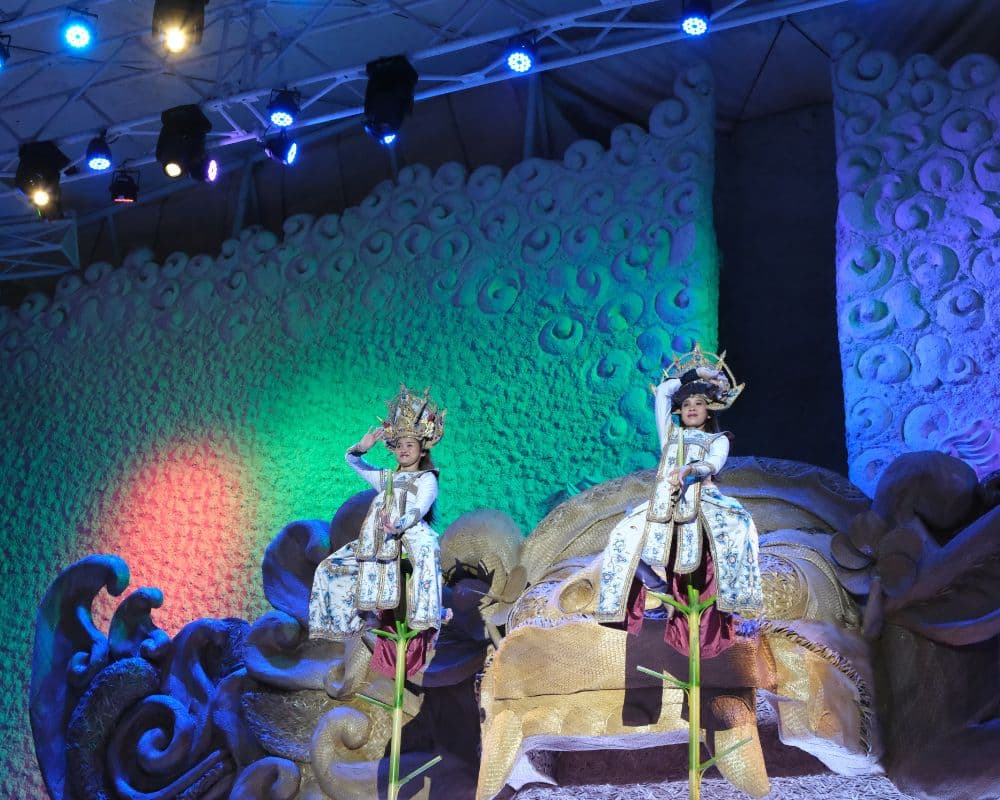
At GWK Cultural Park, the Barong Dance is presented in a modern version, titled the "BaraOng Show," a colossal 30-minute performance featuring five Barongs on a single, grand stage at the GWK Amphitheater. Gamelan music combines with spectacular lighting and costumes, creating a captivating, immersive experience. Despite the modern presentation, the Barong's original spiritual essence and philosophy are carefully preserved.
2. Kecak Dance
Equally famous is the Kecak Dance, often referred to as the "fire dance" due to its dramatic atmosphere and the "cak-cak-cak" vocal accompaniment of dozens of male dancers. This dance is inspired by the epic Ramayana and depicts courage and sacrifice.
Interestingly, GWK Cultural Park is also one of the best places to watch the Kecak Dance. These performances are regularly performed in the plaza and amphitheater, giving tourists the opportunity to experience the beauty of traditional Balinese dance without having to travel far to the traditional village. From afternoon to evening, the Kecak performance at GWK is magical, especially when the sky begins to turn orange behind the majestic Garuda Wisnu Kencana statue.
3. Making Canang Sari
Every morning in Bali, you'll see Canang Sari, small offerings of flowers, leaves, and incense placed at temples, homes, and even shopfronts. This tradition symbolizes gratitude and reverence for God.
GWK presents an educational experience called "Learn to Make Canang" at the Kura-Kura Plaza. Visitors can participate in making Canang Sari while understanding the philosophical meaning behind the offering's colors, shapes, and aromas. This activity is not only engaging for tourists but also provides a platform for understanding the Balinese wisdom of living a life of gratitude and harmony with nature.
4. Ogoh-Ogoh Festival
In the lead-up to Nyepi Day, Balinese people traditionally parade Ogoh-Ogoh, giant statues representing evil spirits or negative energy. This procession symbolizes cleansing oneself and one's surroundings before entering the day of silence.
At GWK (Garuda Wing) this tradition is revived through an exhibition of Ogoh-Ogoh (Gerakan Kayu Putih) sculptures created by local artists. Their diverse forms and details (from giants to mythological creatures) demonstrate the creativity and deep spirituality of the Balinese people. By showcasing Ogoh-Ogoh in a public space, GWK not only celebrates traditional art but also helps visitors understand the philosophical meaning behind the Nyepi celebration.
GWK: A Place Where Balinese Traditions Continue to Thrive

GWK Cultural Park is not a temple or a place of ritual, but a cultural center that maintains the spirit of Balinese tradition through performing arts, education, and creative collaboration.
This venue collaborates with various local artists (dancers, musicians, sculptors, and craftsmen) to ensure that every cultural element displayed remains authentic and relevant to today's times.
Through performances like the BaraOng Show, the Daily Kecak Dance, and the Canang Sari workshop , GWK provides visitors with a firsthand experience of Balinese traditions. Furthermore, various thematic events, such as the Bali Cultural Festival and the Art & Food Festival, also provide a platform for interaction between artists and visitors from various countries.
In this way, GWK not only preserves tradition, but also places it on the global stage, inviting the world to learn more about Bali through art and culture.
Read also: GWK Cultural Park: Bali's Most Magnificent Performing Arts Center
Experience Balinese Traditions at GWK
To make your experience at GWK more memorable, here are some recommended activities you can do:
- Watch Daily Cultural Performances : Every evening, GWK Plaza is filled with the sounds of gamelan and traditional dance. Don't miss the Barong Dance and Kecak Show, which are regularly held in the Amphitheater.
- Join the Canang Sari Workshop at Plaza Kura-Kura : This activity is suitable for families and children, providing a first-hand experience of the philosophy of Balinese offerings.
- Watch the BaraOng Show at 6:00 PM WITA: This magnificent main GWK performance combines dance, music, and modern lighting.
- Enjoy Dinner at Jendela Bali The Panoramic Resto : After enjoying Balinese culture, relax while watching the stunning night view of GWK and the Garuda Wisnu Kencana statue.
Here, Balinese traditions are not just a spectacle, but an experience you can feel with your five senses.
Also read: World-Famous Balinese Culture and Its Traces at GWK
Through a combination of art, performances, and cultural education, GWK Cultural Park successfully presents a new way to experience Balinese traditions. Without compromising its sacredness, this place transforms cultural heritage into a living, entertaining, and inspiring experience.
Here, Balinese traditions continue to thrive amidst modernity, evolving without losing their identity, and teaching the world about the importance of harmony in life. Want to experience the beauty of Balinese traditions in one place? Visit GWK Cultural Park and enjoy unforgettable cultural experiences, from Barong and Kecak Dance performances, Canang Sari making, to dinner with a stunning panorama. Buy tickets here !
Gallery

