

Indonesia's Most Famous and Iconic Statues, from GWK to National Symbols
Seperti Patung Liberty di Amerika atau Christ the Redeemer di Brasil, Indonesia juga memiliki deretan patung megah yang menjadi simbol sejarah, budaya, sekaligus spiritualitas bangsa. Patung-patung ini bukan sekadar karya seni monumental, tetapi juga cermin identitas daerah dan warisan budaya yang melekat dalam jiwa masyarakat.
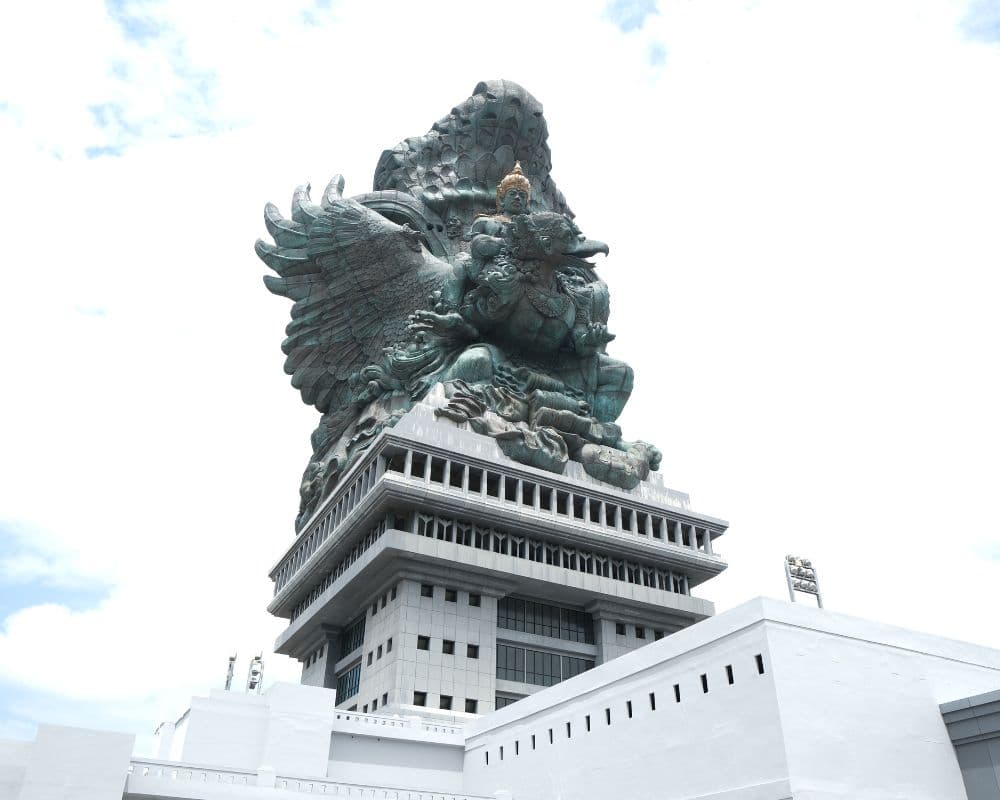
Setiap patung di Indonesia memiliki cerita dan makna tersendiri, mulai dari perjuangan kemerdekaan, nilai religius, hingga simbol keharmonisan antara manusia dan alam. Di antara semuanya, Patung Garuda Wisnu Kencana (GWK) di Bali berdiri paling megah sebagai mahakarya terbesar dan paling ikonik di Tanah Air.
Garuda Wisnu Kencana: Patung Tertinggi dan Paling Ikonik di Indonesia
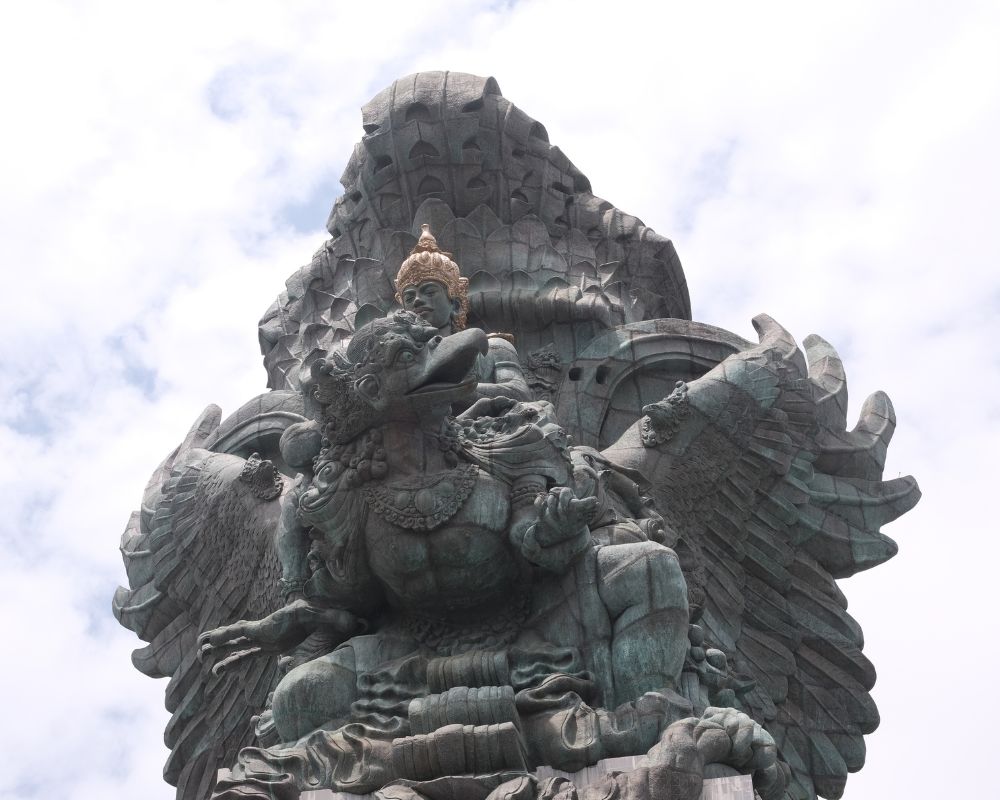
Berlokasi di Jalan Raya Uluwatu, Ungasan, Badung, Bali, Patung Garuda Wisnu Kencana (GWK) merupakan simbol kebanggaan Indonesia yang menyatukan unsur seni, budaya, dan spiritualitas. Diresmikan pada 22 September 2018, patung karya I Nyoman Nuarta ini memiliki tinggi 120 meter, menjadikannya lebih tinggi dari Patung Liberty di Amerika Serikat.
Patung ini menggambarkan Dewa Wisnu yang menunggangi Garuda, burung mistis dalam mitologi Hindu yang menjadi simbol pengabdian dan kebebasan. Wisnu melambangkan penjaga kehidupan dan keseimbangan alam semesta, sedangkan Garuda melambangkan keberanian, kesetiaan, dan kekuatan. Keduanya bersatu sebagai wujud harmoni antara manusia, alam, dan spiritualitas, nilai yang juga mencerminkan semangat bangsa Indonesia.
Daya Tarik di GWK Cultural Park
Patung megah ini berdiri di tengah area taman budaya seluas 60 hektar, dikenal sebagai GWK Cultural Park. Di sini, pengunjung bisa menyaksikan berbagai pertunjukan seni seperti Tari Barong, Baraong Show, hingga pameran seni rupa yang menampilkan kreativitas seniman Bali dan Nusantara.
Selain itu, panorama Bali Selatan dari puncak area GWK juga menjadi daya tarik tersendiri bagi wisatawan lokal maupun mancanegara. GWK kini diakui sebagai landmark utama wisata budaya Indonesia serta pusat pelestarian seni dan tradisi Bali.
Baca juga: Karya Spektakuler Patung Bali, Indah dari Setiap Sudut!
Deretan Patung Terkenal Lainnya di Indonesia
Tidak hanya GWK, Indonesia juga memiliki banyak patung ikonik di berbagai daerah yang menggambarkan nilai-nilai sejarah, perjuangan, dan kebanggaan bangsa. Berikut beberapa di antaranya:
- Patung Selamat Datang (Jakarta): Berdiri megah di Bundaran Hotel Indonesia (HI) sejak tahun 1962, patung ini dirancang oleh Henk Ngantung dan dipahat oleh Edhi Sunarso. Melambangkan keramahan bangsa Indonesia dalam menyambut para tamu dan wisatawan dari seluruh dunia.
- Patung Dirgantara (Jakarta): Dikenal juga sebagai Patung Pancoran, monumen ini menggambarkan semangat bangsa Indonesia dalam menaklukkan langit. Didirikan pada masa Presiden Soekarno, patung ini menjadi simbol kemajuan teknologi dan kemandirian bangsa di bidang dirgantara.
- Patung Ikan Sura dan Baya (Surabaya): Ikon kebanggaan warga Surabaya ini melambangkan keberanian dan ketangguhan masyarakat kota. Patung ini terinspirasi dari legenda pertempuran antara ikan sura dan buaya yang menjadi asal-usul nama Surabaya.
- Monumen Pancasila Sakti (Jakarta Timur): Di tempat inilah berdiri patung tujuh pahlawan revolusi, simbol penghormatan atas pengorbanan para pahlawan G30S/PKI dan semangat mempertahankan ideologi Pancasila.
- Tugu Proklamasi (Jakarta): Monumen ini menampilkan patung Ir. Soekarno dan Drs. Mohammad Hatta, dua proklamator bangsa Indonesia, yang memperingati detik-detik Proklamasi Kemerdekaan RI.
- Patung Jalesveva Jayamahe (Surabaya): Monumen kebanggaan TNI Angkatan Laut, dengan arti “Di Laut Kita Jaya.” Patung ini menggambarkan perwira laut berdiri tegak memandang ke lautan lepas, simbol kejayaan dan pengabdian di samudera Nusantara.
- Patung Christina Martha Tiahahu (Ambon): Menghormati pahlawan perempuan muda dari Maluku yang berani melawan penjajahan Belanda. Patung ini menjadi simbol semangat juang dan keberanian perempuan Indonesia.
- Patung Yesus Memberkati (Tana Toraja, Sulawesi Selatan): Versi Indonesia dari Christ the Redeemer di Brasil. Berdiri di puncak Bukit Buntu Burake, patung ini melambangkan kedamaian, kasih, dan iman umat Kristen di Tanah Toraja.
- Patung Buddha Tidur (Mojokerto, Jawa Timur): Berada di kompleks Vihara Mojopahit, patung ini merupakan salah satu patung Buddha terbesar di Asia Tenggara, dengan panjang sekitar 22 meter. Simbol ketenangan, kesederhanaan, dan kebijaksanaan spiritual.
- Patung Dewa Murugan (Langkat, Sumatera Utara): Terletak di kawasan wisata religi umat Hindu Tamil, patung ini menjadi pusat perayaan Thaipusam dan menggambarkan kemenangan kebaikan atas kejahatan.
- Patung Satria Gatot Kaca (Bali): Berada di kawasan Tuban, patung ini menggambarkan adegan heroik Gatot Kaca dari epos Mahabharata. Selain nilai seni tinggi, patung ini dipercaya memberikan perlindungan spiritual bagi Pulau Dewata.
GWK adalah Simbol Persatuan Seni dan Budaya Indonesia
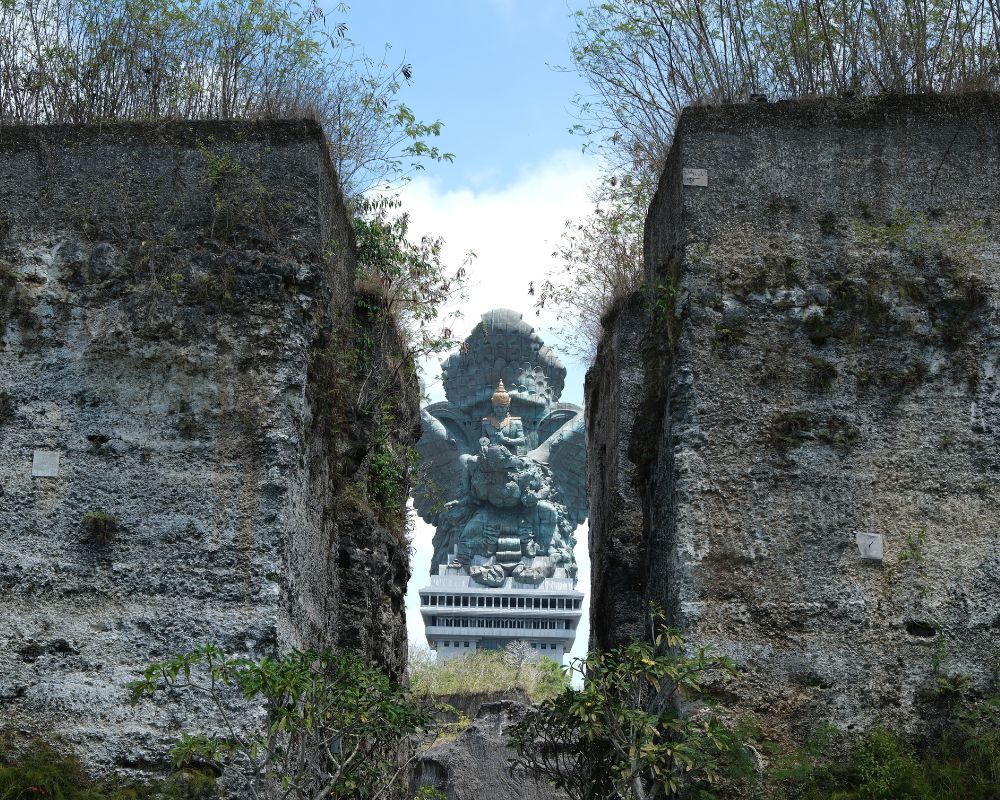
Lebih dari sekadar patung raksasa, Garuda Wisnu Kencana adalah simbol persatuan seni dan budaya Indonesia. Tempat ini menjadi ruang pertemuan antara tradisi dan modernitas, di mana berbagai acara budaya diselenggarakan untuk memperkuat identitas bangsa.
Setiap tahun, GWK Cultural Park menjadi tuan rumah festival seni, pertunjukan tari Barong, konser musik internasional, dan berbagai pameran budaya. Suasananya memadukan kearifan lokal Bali dengan kreativitas modern, menciptakan pengalaman yang menginspirasi wisatawan.
GWK kini tidak hanya menjadi destinasi wisata, tetapi juga ikon pariwisata Indonesia di mata dunia. Tapi ia melambangkan spiritualitas, seni, dan kreativitas bangsa yang terus berkembang, tanpa kehilangan akar budaya Nusantara.
Tips Wisata: Menyaksikan Keagungan Patung GWK di Bali
Ingin mengunjungi GWK Cultural Park? Berikut ini adalah beberapa tips agar pengalaman Anda semakin berkesan:
- Waktu terbaik berkunjung: sore hari menjelang sunset, saat cahaya keemasan menyoroti patung dan menciptakan siluet indah di langit Bali Selatan.
- Eksplorasi dalam patung: jangan lewatkan tur ke dalam struktur GWK, terutama museum di lantai 9 dan 23 yang menampilkan sejarah pembangunannya.
- Tonton pertunjukan seni: seperti Baraong Show yang menggambarkan kisah klasik Bali dengan musik dan tarian penuh energi.
- Nikmati makan malam: di Jendela Bali Lounge Resto, Anda bisa menikmati kuliner khas Bali sambil memandangi keindahan kota dari ketinggian.
- Bawa kamera terbaik Anda: setiap sudut GWK menyajikan pemandangan menakjubkan yang wajib diabadikan.
Baca juga: Mengenal Manifestasi Kearifan Lokal di Bali Era Kini
Patung, Cermin Jiwa dan Kreativitas Indonesia
Dari Patung Garuda Wisnu Kencana di Bali hingga Patung Dirgantara di Jakarta, setiap patung di Indonesia memiliki cerita, nilai, dan makna filosofis yang memperkaya identitas bangsa. Mereka adalah saksi sejarah, simbol keyakinan, sekaligus wujud kreativitas manusia Indonesia yang luar biasa.
Di antara semuanya, GWK berdiri paling megah, bukan hanya sebagai ikon kebanggaan nasional, tetapi juga pengingat bahwa seni dan budaya adalah napas kehidupan bangsa Indonesia. Tunggu apa lagi, segera agendakan kunjungan Anda ke GWK Cultural Park!