

GWK Cultural Park: Home to Balinese Artists and a World-Famous Cultural Heritage
Behind the magnificent stage at GWK Cultural Park lies the extraordinary story of Balinese artists who are the soul of every performance. Every dancer's hand gesture, the tinkling of the gamelan, and the sparkling details of their costumes are born of their dedication.
As Bali's largest cultural performance center, GWK Cultural Park is not only a tourist destination but also a platform for expression for hundreds of Balinese artists. From dancers and gamelan musicians to fashion designers and choreographers, they work diligently to preserve culture in a modern world full of change.
This article invites you to dive into the story behind the heritage keepers, tradition preservers and stage performers who make GWK a symbol of living culture on the Island of the Gods.
Balinese Artists: The Souls Who Preserve Cultural Heritage
For many Balinese artists, art is more than just a profession, but a calling. From childhood, they grew up surrounded by rituals, gamelan music, and dance. Art is a part of everyday life, from temples to the courtyards of their homes.
For them, art is a form of ngayah, or sacred devotion to ancestors and gods. Every movement and note conveys prayer and gratitude. It's no wonder that the works of Balinese artists always possess a strong spiritual aura, serving as a bridge between the physical and the spiritual world.
Bali's rich cultural heritage creates a diverse array of artistic roles. There are dancers who recount the Ramayana epic, gamelan musicians who maintain the rhythm of life, dance costume designers who create visual beauty, and mask craftsmen who bring sacred characters to life.
All these elements are interconnected within a single cultural ecosystem. GWK Cultural Park is a place where diverse artists gather, collaborate, and showcase the harmony between tradition and innovation.
Despite the digital era ushering in a global wave of entertainment, Balinese artists have not lost their way. They remain steadfast in upholding the meaning behind their work. Many of them incorporate modern elements into their performances without altering the spirit of their inherited traditions.
With perseverance, they made the GWK stage a space to prove that Balinese art is able to adapt, but without losing its identity.
Also read: Admire the Spectacular Works of Balinese Sculpture, Beautiful from Every Angle!
Behind the GWK Stage: Stories of Local Artists

As previously explained, Balinese artists include dancers, musicians, fashion designers, and production teams. Each artist connects and supports one another to create a masterpiece that embodies Bali's identity. You can read the full review below.
1. Dancer: A Body That Tells a Story
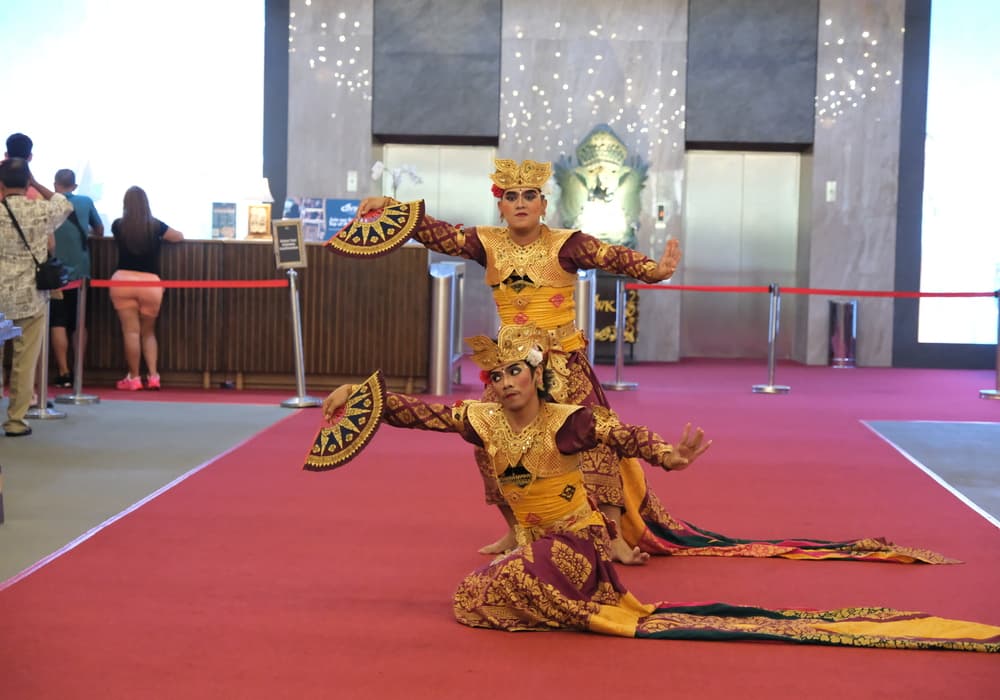
The dancers at GWK don't just perform beautiful movements. They "tell a story" through every glance, finger flick, and body movement. In performances like the Baraong Show , Kecak Dance, or other traditional dances, the audience is invited into the magical world of Bali.
Most of them are local Balinese artists who have been training since childhood. They understand the philosophy of each dance, from the meaning of the movements to the symbolism of the costumes' colors. Their dedication ensures their performances are always full of emotion and discipline.
2. Gamelan and Rindik Musicians: Rhythms that Liven Up the Stage
Each dance step at GWK is accompanied by gamelan music or the gentle strains of the rindik. The musicians at Plaza Garuda or Tlatar Mandalaloka are Balinese artists whose musical skills have been passed down through generations.
For them, music is not just entertainment, but a prayer that accompanies every offering. In every gong blow and drum beat, there is a spiritual message that connects humans with nature and the gods.
3. Fashion and Costume Designers: The Beauty of Unity
The GWK dancers' costumes are magnificent and detailed. Behind them are the creative hands of local tailors and craftspeople. They meticulously craft songket cloth, headdresses, and traditional jewelry to exude the charm of Balinese culture .
Every thread and color has a meaning. Gold symbolizes nobility, red signifies courage, and white signifies purity. These designers are Balinese artists in another form, conveying the beauty of the culture through their textiles.
4. Production Team and Choreographer: Set the Rhythm of Life
Coordinating hundreds of Balinese artists daily is no easy feat. The GWK production team works behind the scenes to ensure every performance is flawless. From lighting and sound to dance transitions, everything is precisely designed.
Meanwhile, local choreographers play a crucial role in maintaining a balance between authenticity and modern appeal. They ensure that performances remain authentic for local audiences yet captivating for international tourists.
Also read: A Look at the World-Famous Balinese Culture and Its Traces at GWK
GWK Cultural Park: Home to Balinese Artists

GWK is not only a performance venue, but also a second home for Balinese artists. Here, they not only perform but also develop. Many younger generations learn directly from their elders, fostering a sustainable artistic regeneration.
GWK management also actively provides spaces for expression, provides training, and supports various interdisciplinary collaborations. This creates an environment where art not only survives but also continues to evolve.
Every second on the GWK stage is proof that Balinese culture is more than just a memory of the past. It lives, breathes, and continues to dance in the hearts of Balinese artists who love it with all their hearts.
Read also: GWK Cultural Park: The Most Magnificent Performing Arts Center on the Island of Bali
Social and Cultural Impact: From GWK to Bali

GWK Bali is not only a platform for expressing the art and culture of the Island of the Gods. Furthermore, the various art performances held at GWK also have a broader impact, particularly in terms of social and cultural preservation. Here's the explanation!
1. Job Opportunities and Local Pride
GWK provides employment for hundreds of Balinese artists from various regions. They can create without leaving their homeland. More than just earning an income, this fosters a sense of pride in their own culture.
2. Cultural Preservation
Regular performances at GWK are an effective way to preserve Balinese dance and music. Every day, thousands of visitors witness performances that depict Bali's spiritual values, beauty, and local wisdom.
3. Inspiration for the Young Generation
Many young people have been inspired by the performances at GWK. They have begun learning to dance, play the gamelan, or design traditional costumes. This regeneration demonstrates that Balinese artists are not merely individuals tasked with preserving the cultural heritage, but also inspire the future.
Also read: The Fun of Exploring GWK Cultural Park During a Family Vacation in Bali
Behind the splendor of every stage at GWK Cultural Park , stand the steadfast Balinese artists who dedicate their lives to preserving the arts and culture of the Island of the Gods. They are faces rarely seen in front of the camera, but without them, every performance would lack soul.
So, when you visit GWK, take a moment to greet them. Enjoy not only the beauty of the performance, but also appreciate the spirit of Balinese artists who keep their ancestral heritage alive, dancing, and resonating into the future.
Witness the Magic of Balinese Art at GWK Cultural Park

Experience the warmth and beauty of Balinese artists' work only at GWK Cultural Park, where culture, music, and dance blend in harmony. Visit GWK Bali today, enjoy captivating daily cultural performances, and be part of the journey to preserve Bali's artistic heritage for future generations. Click here to reserve tickets online !
Gallery


