

Famous Balinese Traditions You Can Find at GWK Cultural Park
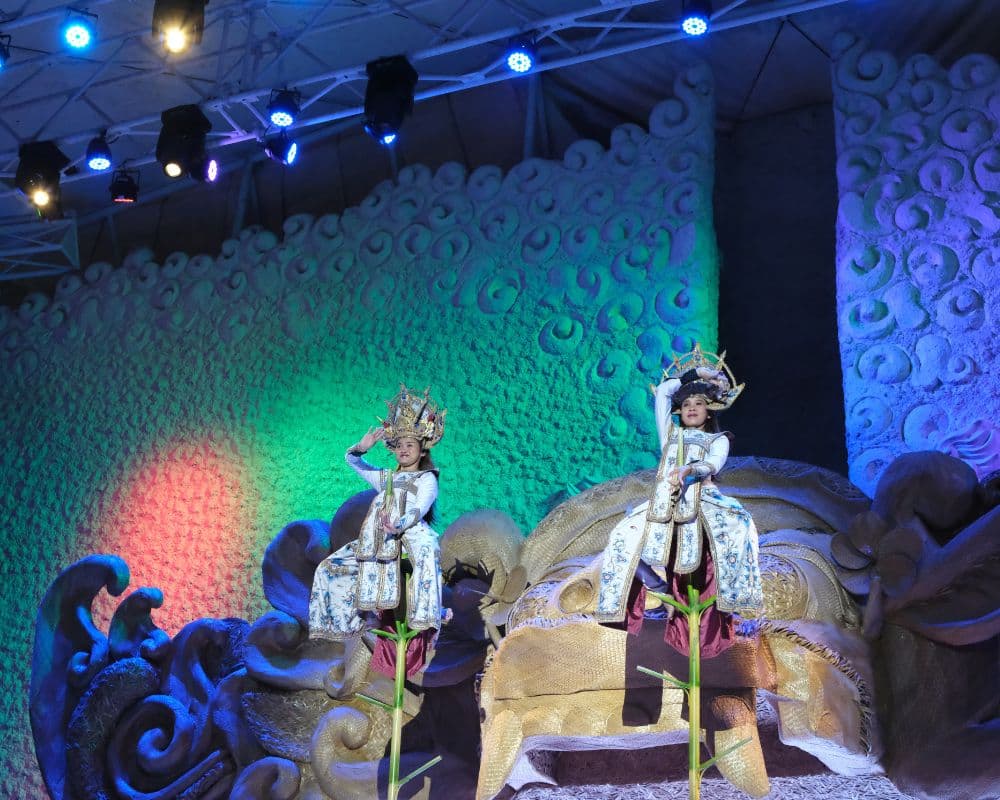
Tradisi Bali bukan sekadar upacara adat, melainkan napas kehidupan yang terus mengalir di setiap sisi Pulau Dewata. Dari subuh hingga senja, setiap langkah masyarakat Bali dipenuhi makna spiritual dan rasa syukur terhadap alam semesta. Di tengah derasnya arus modernisasi dan pariwisata global, masih ada tempat yang menjaga denyut kebudayaan ini agar tetap hidup dan bisa dinikmati siapa pun, yaitu GWK Cultural Park.
Terletak di kawasan Jimbaran, Bali, GWK (Garuda Wisnu Kencana) Cultural Park bukan sekadar destinasi wisata, melainkan ruang pertemuan antara tradisi dan inovasi. Di sinilah, Anda dapat melihat bagaimana warisan budaya Bali tetap lestari tanpa kehilangan nilai sakralnya, sambil dihadirkan dengan sentuhan modern yang memukau.
Artikel ini akan mengulas tradisi Bali yang paling terkenal, sekaligus bagaimana GWK menjadi wadah yang menjaga, menampilkan, dan memperkenalkan keindahan tradisi tersebut kepada dunia.
Sekilas tentang Kekayaan Tradisi Bali
Bali dikenal dunia bukan hanya karena pantainya yang indah, tetapi juga karena budaya dan tradisinya yang sangat kaya. Setiap bentuk kesenian, tarian, hingga ritual keagamaan mencerminkan filosofi mendalam tentang kehidupan dan keharmonisan.
Ciri khas budaya Bali terletak pada perpaduan antara spiritualitas, kesenian, dan kebersamaan. Semua tradisi yang lahir dari masyarakat Bali berakar pada ajaran “Tri Hita Karana”, yaitu prinsip hidup yang menekankan pentingnya harmoni antara manusia dengan Tuhan, manusia dengan sesama, dan manusia dengan alam.
Konsep ini menjadi dasar bagi berbagai ritual dan kebiasaan, mulai dari tari-tarian sakral, musik gamelan, upacara persembahan, hingga karya seni rupa. Tradisi bukan hanya dilestarikan dalam bentuk seremoni, tetapi juga diekspresikan melalui kehidupan sehari-hari. Di sinilah GWK Cultural Park mengambil peran penting, menghadirkan esensi tradisi Bali dalam bentuk pertunjukan dan pengalaman budaya yang bisa dirasakan langsung oleh pengunjung.
Tradisi Bali yang Terkenal
1. Tari Barong
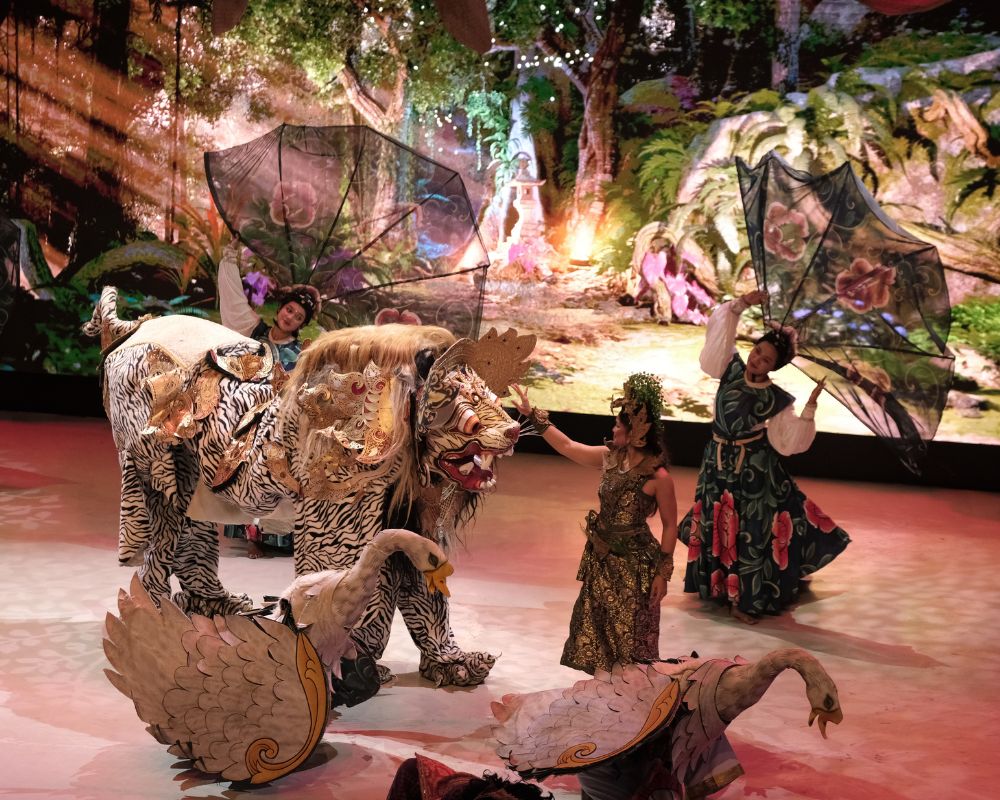
Salah satu simbol paling ikonik dari spiritualitas Bali adalah Tari Barong, yang menggambarkan pertarungan abadi antara kebaikan (Barong) dan kejahatan (Rangda). Tari ini bukan sekadar hiburan, tetapi bentuk doa dan pelajaran moral tentang keseimbangan hidup.
Di GWK Cultural Park, Tari Barong diangkat dalam versi modern bertajuk “BaraOng Show”, sebuah pertunjukan kolosal berdurasi 30 menit yang menampilkan lima Barong di satu panggung besar Amphitheater GWK. Musik gamelan berpadu dengan tata cahaya dan kostum spektakuler, menciptakan pengalaman imersif yang menggugah. Meski dikemas secara modern, esensi spiritual dan filosofi asli Barong tetap dijaga dengan hati-hati.
2. Tari Kecak
Tak kalah terkenal adalah Tari Kecak, yang sering disebut sebagai “tari api” karena suasananya yang dramatis dan iringan vokal “cak-cak-cak” dari puluhan penari pria. Tarian ini terinspirasi dari kisah epik Ramayana dan menggambarkan keberanian serta pengorbanan.
Menariknya, GWK Cultural Park juga menjadi salah satu tempat terbaik untuk menyaksikan Tari Kecak. Pertunjukan ini ditampilkan secara reguler di plaza dan amphitheater, memberi kesempatan bagi wisatawan untuk menikmati keindahan tarian tradisional Bali tanpa harus pergi jauh ke desa adat. Dari sore hingga malam, suasana pertunjukan Kecak di GWK terasa magis, terutama saat langit mulai berwarna jingga di balik patung Garuda Wisnu Kencana yang megah.
3. Pembuatan Canang Sari
Setiap pagi di Bali, Anda akan melihat Canang Sari, persembahan kecil berisi bunga, daun, dan dupa yang diletakkan di pura, rumah, bahkan di depan toko. Tradisi ini melambangkan rasa syukur dan penghormatan terhadap Tuhan.
GWK menghadirkan pengalaman edukatif “Belajar Membuat Canang” di Plaza Kura-Kura, di mana pengunjung bisa ikut membuat Canang Sari sambil memahami makna filosofis di balik warna, bentuk, dan aroma persembahan tersebut. Aktivitas ini tak hanya menarik bagi wisatawan, tetapi juga menjadi sarana untuk memahami kebijaksanaan hidup masyarakat Bali yang selalu bersyukur dan harmonis dengan alam.
4. Festival Ogoh-Ogoh
Menjelang Hari Raya Nyepi, masyarakat Bali memiliki tradisi arak-arakan Ogoh-Ogoh, yaitu patung raksasa yang melambangkan roh jahat atau energi negatif. Prosesi ini menjadi simbol pembersihan diri dan lingkungan sebelum memasuki hari hening.
Di GWK, tradisi ini dihidupkan kembali melalui pameran Ogoh-Ogoh hasil karya seniman lokal. Bentuk dan detailnya sangat beragam (dari wujud raksasa hingga makhluk mitologi) menunjukkan kreativitas dan spiritualitas tinggi masyarakat Bali. Dengan menampilkan karya Ogoh-Ogoh di ruang publik, GWK tidak hanya mengapresiasi seni rupa tradisional, tapi juga membantu pengunjung memahami makna filosofis di balik perayaan Nyepi.
GWK: Tempat Tradisi Bali Terus Berkembang
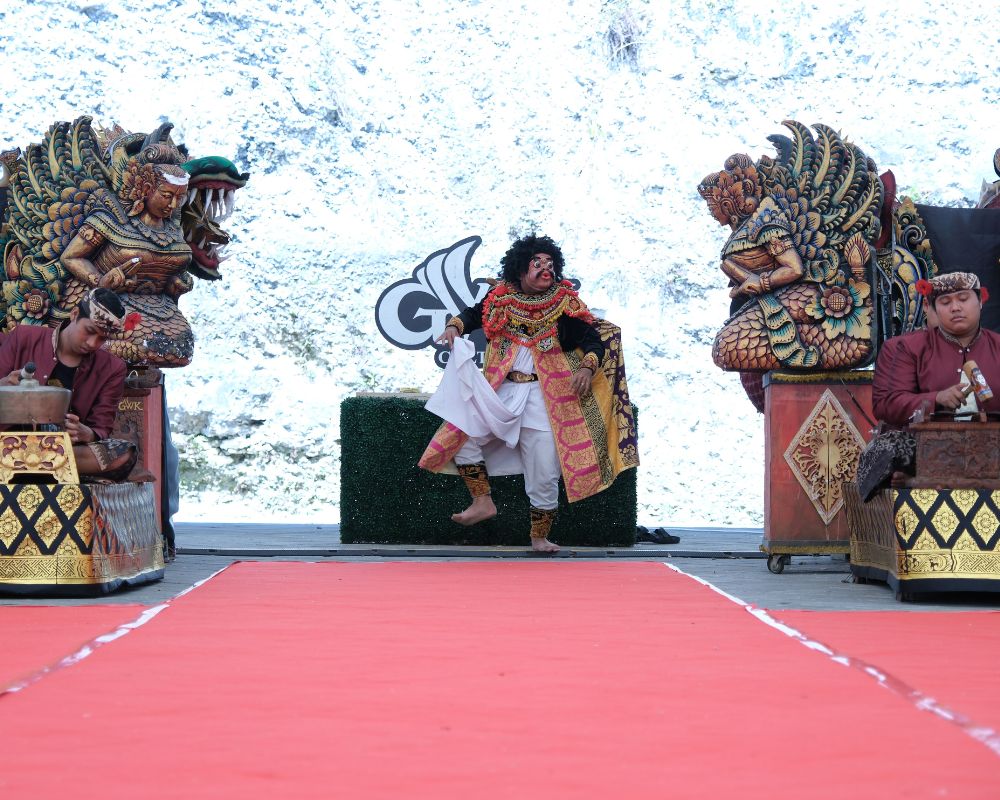
GWK Cultural Park bukanlah pura atau tempat ritual, tetapi pusat budaya yang menjaga semangat tradisi Bali melalui pendekatan seni pertunjukan, edukasi, dan kolaborasi kreatif.
Tempat ini bekerja sama dengan berbagai seniman lokal (penari, pemusik, pematung, hingga perajin) untuk memastikan bahwa setiap elemen budaya yang ditampilkan tetap autentik dan relevan dengan masa kini.
Melalui pertunjukan seperti BaraOng Show, Tari Kecak Harian, dan workshop Canang Sari, GWK membuka akses bagi wisatawan untuk mengenal tradisi Bali secara langsung. Tak hanya itu, berbagai acara tematik seperti Festival Budaya Bali dan Art & Food Festival juga menjadi wadah interaksi antara seniman dan pengunjung dari berbagai negara.
Dengan cara ini, GWK tidak sekadar melestarikan tradisi, tetapi juga menempatkannya di panggung global, mengajak dunia untuk mengenal Bali lebih dalam melalui seni dan budaya.
Baca juga: GWK Cultural Park: Pusat Seni Pertunjukan Termegah di Bali
Mengalami Sendiri Tradisi Bali di GWK
Agar pengalaman di GWK lebih berkesan, berikut ini adalah rekomendasi kegiatan yang bisa Anda lakukan:
- Tonton Pertunjukan Budaya Harian: Setiap sore, plaza GWK dipenuhi suara gamelan dan tarian tradisional. Jangan lewatkan Tari Barong dan Kecak Show yang rutin digelar di Amphitheater.
- Ikuti Workshop Canang Sari di Plaza Kura-Kura: Aktivitas ini cocok untuk keluarga dan anak-anak, memberi pengalaman langsung tentang filosofi persembahan Bali.
- Saksikan BaraOng Show Pukul 18.00 WITA: Pertunjukan utama GWK yang megah ini memadukan seni tari, musik, dan pencahayaan modern.
- Nikmati Makan Malam di Jendela Bali The Panoramic Resto: Setelah menikmati budaya Bali, bersantailah sambil menyaksikan pemandangan malam GWK dan patung Garuda Wisnu Kencana yang memukau.
Di sini, tradisi Bali bukan sekadar tontonan, tapi pengalaman yang bisa Anda rasakan dengan pancaindra.
Baca juga: Budaya Bali yang Terkenal di Dunia dan Jejaknya di GWK
Melalui perpaduan antara seni, pertunjukan, dan edukasi budaya, GWK Cultural Park berhasil menghadirkan cara baru untuk menikmati tradisi Bali. Tanpa mengubah kesakralannya, tempat ini menjadikan warisan budaya sebagai pengalaman yang hidup, menghibur, sekaligus menginspirasi.
Di sinilah, tradisi Bali tetap bernapas di tengah modernitas, berkembang tanpa kehilangan jati diri, dan mengajarkan dunia tentang pentingnya harmoni dalam kehidupan.Ingin merasakan keindahan tradisi Bali dalam satu tempat? Kunjungi GWK Cultural Park dan nikmati pengalaman budaya yang tak terlupakan, dari pertunjukan Tari Barong dan Kecak, membuat Canang Sari, hingga makan malam dengan panorama menakjubkan. Beli tiketnya di sini!