

GWK Cultural Park, Indonesia's World-Famous Cultural Heritage
Indonesia dikenal sebagai negeri dengan ribuan budaya dan tradisi yang lestari hingga kini. Dari Sabang sampai Merauke, setiap daerah memiliki kekayaan budaya yang khas, mulai dari tarian, musik, upacara adat, hingga karya seni monumental. Semua ini membentuk identitas bangsa yang beragam, namun tetap satu dalam semangat Bhinneka Tunggal Ika.
Di tengah kekayaan budaya tersebut, ada satu ikon yang berhasil menyatukan nilai tradisi dan modernitas, yaitu Garuda Wisnu Kencana (GWK) Cultural Park di Bali. Karya monumental ini bukan hanya simbol pariwisata, tetapi juga representasi kuat dari warisan budaya Indonesia yang dihadirkan dengan sentuhan teknologi dan kreativitas masa kini.
Apa Itu Warisan Budaya Indonesia?
Warisan budaya Indonesia mencakup segala bentuk peninggalan hasil cipta, rasa, dan karsa manusia Indonesia yang memiliki nilai sejarah, seni, dan spiritualitas. Nilai-nilai ini diwariskan dari generasi ke generasi sebagai bagian penting dari identitas nasional.
Terdapat dua jenis utama warisan budaya:
- Warisan budaya tak benda, seperti tari tradisional, musik daerah, ritual adat, dan kuliner khas yang menjadi cerminan kehidupan masyarakat.
- Warisan budaya benda, seperti candi, patung, arsitektur kuno, hingga karya seni monumental yang menjadi bukti keunggulan teknik dan kreativitas leluhur.
Fungsi utama warisan budaya adalah mengukuhkan jati diri bangsa sekaligus menjadi sarana edukasi lintas generasi. Dengan mengenal dan melestarikannya, masyarakat tidak hanya menjaga sejarah, tetapi juga membangun kebanggaan nasional.
GWK Cultural Park: Ikon Warisan Budaya Indonesia Modern
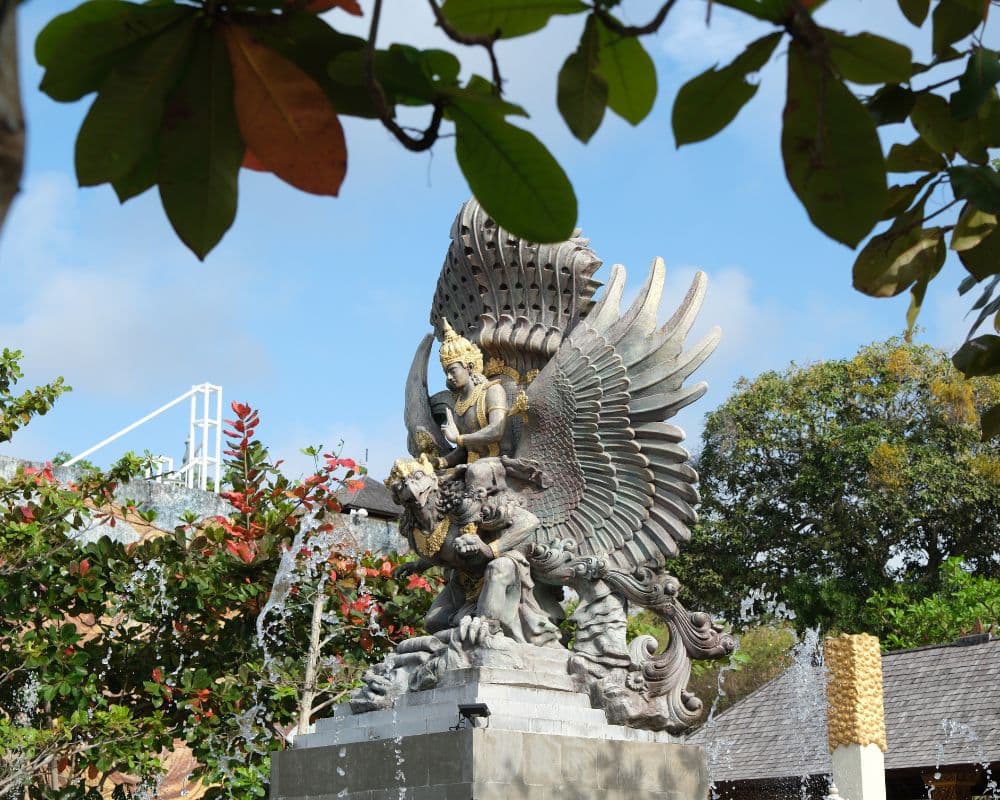
Garuda Wisnu Kencana atau GWK Cultural Park adalah salah satu ikon budaya paling megah di Indonesia. Terletak di Ungasan, Bali, kawasan ini berdiri di atas lahan seluas 60 hektar dan menampilkan patung raksasa Dewa Wisnu yang menunggangi burung Garuda, simbol pelindung dunia dalam mitologi Hindu.
Proyek GWK digagas oleh pematung kenamaan I Nyoman Nuarta pada tahun 1990-an, dengan tujuan menghadirkan karya seni monumental yang merepresentasikan kebesaran budaya Nusantara. Setelah melalui perjalanan panjang, patung GWK akhirnya diresmikan pada tahun 2018.
Makna simboliknya begitu dalam, yaitu Dewa Wisnu melambangkan kebijaksanaan dan pelindung alam semesta, sedangkan Garuda merepresentasikan keberanian serta kesetiaan. Perpaduan keduanya mencerminkan filosofi kehidupan bangsa Indonesia, menjaga keseimbangan antara kekuatan, kebijaksanaan, dan harmoni dengan alam.
GWK menjadi bukti nyata bahwa warisan budaya Indonesia dapat dihadirkan dalam bentuk modern yang menginspirasi dan membanggakan.
GWK Sebagai Pusat Pelestarian dan Edukasi Budaya
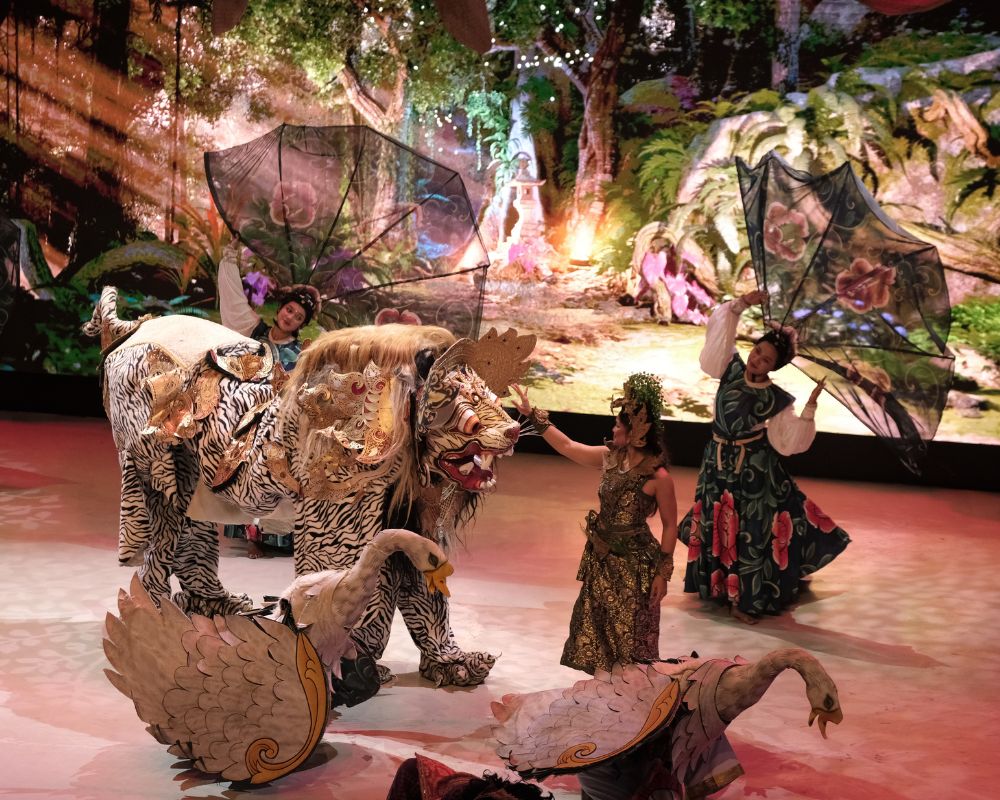
Lebih dari sekadar destinasi wisata, GWK Cultural Park juga menjadi pusat pelestarian dan edukasi budaya. Setiap hari, kawasan ini menyuguhkan pertunjukan seni tradisional seperti Tari Kecak, Barong Dance, dan pertunjukan modern BaraOng Show yang dikemas secara kreatif agar relevan bagi generasi muda.
Beragam festival dan pameran budaya juga rutin digelar di sini, menampilkan busana adat, kuliner khas, hingga kerajinan tangan dari berbagai daerah di Indonesia. Tersedia pula museum dan galeri seni GWK yang mengisahkan perjalanan panjang proyek ini serta makna di balik setiap detail desainnya.
Melalui kegiatan ini, GWK berhasil menjadi ruang edukatif yang mempertemukan seni, budaya, dan pembelajaran interaktif bagi pengunjung lokal maupun mancanegara.
Arsitektur dan Keindahan GWK: Perpaduan Seni, Teknologi, dan Spiritualitas
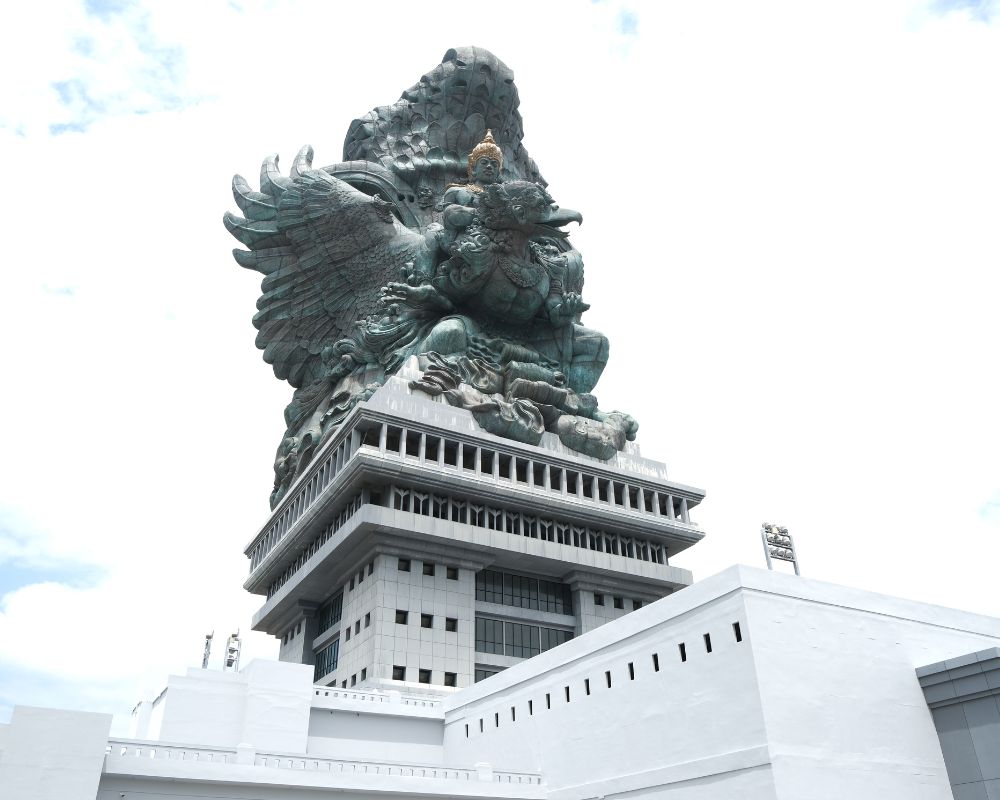
Salah satu daya tarik utama GWK adalah arsitektur dan skala monumental patungnya. Dengan tinggi mencapai 121 meter dan lebar 64 meter, GWK dinobatkan sebagai patung tertinggi di Indonesia dan keempat tertinggi di dunia. Bahkan, patung ini mengalahkan tinggi Patung Liberty di Amerika Serikat.
Proses pembuatannya melibatkan perpaduan antara seni tradisional Bali dan teknologi modern. Setiap panel tembaga yang membentuk tubuh patung dirancang dengan ketelitian tinggi, menampilkan detail ekspresi dan gerak yang hidup. Filosofi desainnya mencerminkan semangat kemajuan bangsa tanpa meninggalkan akar budaya.
Selain patung utama, kawasan GWK juga memiliki area ikonik seperti Lotus Pond, Wisnu Plaza, dan Tirta Agung, yang menawarkan panorama budaya dan spiritualitas khas Bali. Area ini sering menjadi lokasi pementasan, konser internasional, hingga acara kenegaraan.
Baca juga: 8 Taman Budaya di Indonesia, Termasuk GWK Cultural Park
Peran GWK dalam Mempromosikan Warisan Budaya Indonesia ke Dunia
Sebagai salah satu destinasi wisata internasional, GWK telah menarik jutaan wisatawan mancanegara setiap tahunnya. Mereka datang bukan hanya untuk berfoto, tetapi juga untuk mengenal nilai-nilai budaya Indonesia yang terpatri dalam setiap elemen taman ini.
GWK juga memainkan peran penting dalam diplomasi budaya. Melalui simbolisme dan kemegahannya, karya ini menunjukkan bahwa Indonesia mampu memperkenalkan warisan budayanya dengan rasa bangga, profesionalitas tinggi, dan kreativitas tanpa batas.
Selain itu, keberadaan GWK turut mendorong pertumbuhan ekonomi kreatif di Bali. Sektor pariwisata, seni pertunjukan, kuliner, hingga produk UMKM lokal ikut berkembang karena meningkatnya jumlah wisatawan. Dengan demikian, pelestarian budaya pun berdampak langsung pada kesejahteraan masyarakat sekitar.
Pengalaman Budaya yang Tak Terlupakan di GWK
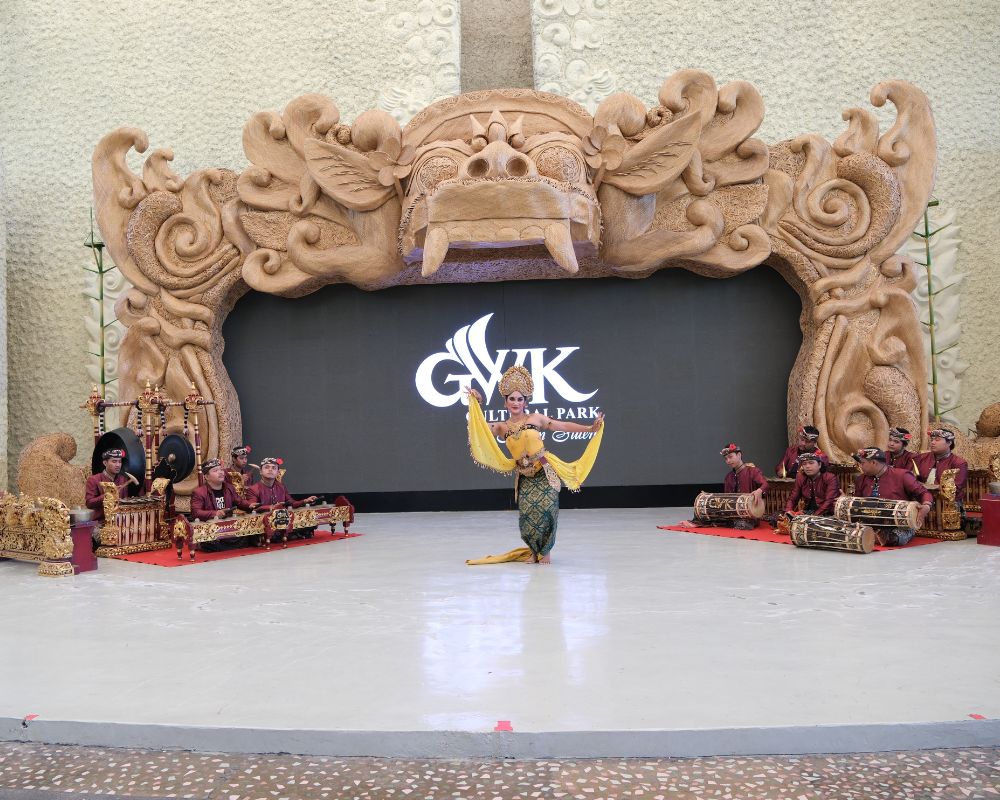
Bagi pengunjung, GWK menawarkan pengalaman budaya yang lengkap dan berkesan. Anda dapat:
- Menyaksikan pertunjukan seni tradisional seperti Tari Kecak atau Barong yang menggambarkan nilai-nilai kebaikan dan spiritualitas.
- Mengikuti “Top of the Statue Tour” untuk menjelajahi bagian dalam patung GWK dan menyaksikan panorama Bali dari ketinggian 120 meter.
- Berpartisipasi dalam ritual spiritual, seperti upacara pembasuhan diri di Tirta Agung, yang menghadirkan ketenangan batin dan refleksi budaya.
Semua pengalaman ini memperkuat kesan bahwa GWK bukan hanya tempat wisata, melainkan ruang untuk memahami dan merasakan warisan budaya Indonesia secara langsung.
GWK Sebagai Inspirasi Warisan Budaya Modern
GWK memberikan pesan penting bagi generasi kini, yaitu melestarikan budaya bukan hanya menjaga masa lalu, tetapi juga menciptakan bentuk baru yang relevan dengan zaman.
Karya monumental ini membuktikan bahwa tradisi dan teknologi bisa berpadu harmonis untuk menghasilkan sesuatu yang inspiratif. GWK menjadi contoh nyata bagaimana seni, budaya, dan teknologi dapat hidup berdampingan tanpa kehilangan makna spiritual dan nilai kebangsaan.
Baca juga: GWK Cultural Park: Pusat Seni Pertunjukan Termegah di Bali
Garuda Wisnu Kencana Cultural Park bukan sekadar objek wisata, melainkan simbol kebanggaan dan warisan budaya Indonesia yang mendunia. Ia berdiri sebagai bukti bahwa bangsa ini mampu menghargai akar budayanya sekaligus melangkah maju ke masa depan dengan kreativitas dan teknologi.
Jadwalkan kunjungan Anda ke GWK Cultural Park untuk merasakan langsung keagungan seni dan budaya Indonesia.Jelajahi kisah dan keindahan GWK melalui situs resmi atau kunjungan langsung, dan jadilah bagian dari upaya pelestarian warisan budaya Indonesia yang tak ternilai.