

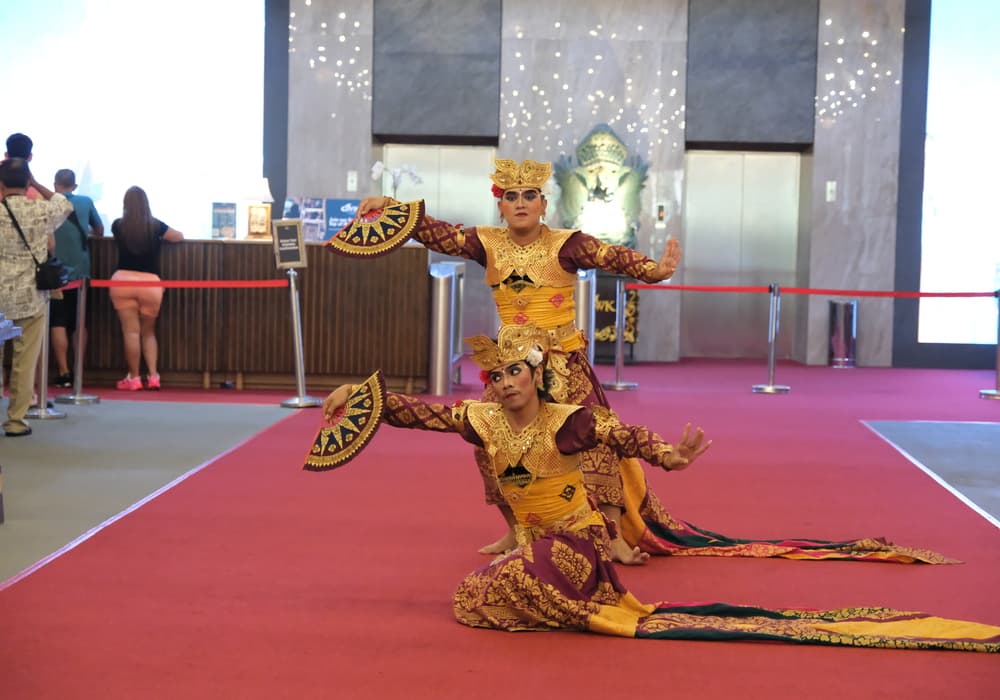
GWK Cultural Park: Home to Balinese Artists and a World-Famous Cultural Heritage
Di balik megahnya panggung GWK Cultural Park, tersimpan kisah luar biasa tentang seniman Bali yang menjadi jiwa dari setiap pertunjukan. Setiap gerak tangan penari, denting gamelan, dan detail busana yang berkilau lahir dari dedikasi mereka.
Sebagai pusat pertunjukan budaya terbesar di Bali, GWK Cultural Park tidak hanya menjadi destinasi wisata, tetapi juga wadah ekspresi bagi ratusan seniman di Bali. Dari penari dan penabuh gamelan, hingga perancang busana dan koreografer, mereka bekerja dengan hati demi menjaga kelestarian budaya di tengah dunia modern yang sarat perubahan.
Artikel ini mengajak Anda untuk menyelami kisah di balik para penjaga warisan, pelestari tradisi, dan penghidup panggung yang membuat GWK menjadi simbol budaya hidup di Pulau Dewata.
Seniman Bali: Jiwa yang Menjaga Warisan Budaya
Bagi banyak seniman Bali, seni bukan sekadar pekerjaan, melainkan panggilan jiwa. Sejak kecil mereka tumbuh dalam suasana yang penuh dengan ritual, gamelan, dan tari-tarian. Seni menjadi bagian dari kehidupan sehari-hari, dari pura hingga halaman rumah.
Bagi mereka, kesenian adalah bentuk ngayah atau pengabdian suci kepada leluhur dan dewa. Dalam setiap gerakan dan nada, terselip doa serta rasa syukur. Tak heran jika karya seniman Bali selalu memiliki aura spiritual yang kuat, menjadi jembatan antara dunia nyata dan alam niskala.
Kekayaan budaya Bali menciptakan beragam peran seni. Ada penari yang mengisahkan epos Ramayana, penabuh gamelan yang menjaga irama kehidupan, perancang busana tari yang menciptakan keindahan visual, hingga pengrajin topeng yang menjiwai karakter sakral.
Semua elemen ini saling terhubung dalam satu ekosistem budaya. GWK Cultural Park menjadi tempat di mana berbagai jenis seniman berkumpul, bekerja sama, dan menampilkan harmoni antara tradisi dan inovasi.
Meski era digital membawa arus hiburan global, seniman Bali tidak kehilangan arah. Mereka tetap teguh menjaga makna di balik karya. Banyak di antara mereka memadukan unsur modern dalam pertunjukan, tanpa mengubah ruh tradisi yang diwariskan.
Dengan ketekunan, mereka menjadikan panggung GWK sebagai ruang pembuktian bahwa seni Bali mampu beradaptasi, namun tak kehilangan identitasnya.
Baca juga: Mengagumi Karya Spektakuler Patung Bali, Indah dari Setiap Sudut!
Wajah di Balik Panggung GWK: Kisah Para Seniman Lokal
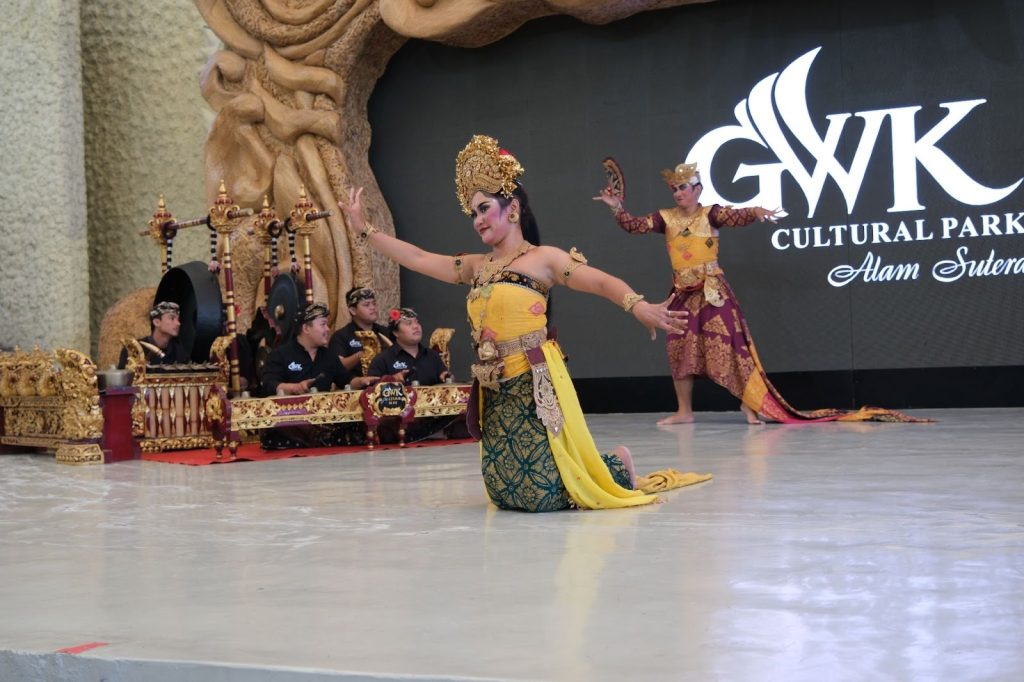
Seperti yang telah dijelaskan sebelumnya bahwa seniman Bali terdiri dari penari, pemusik, perancang busana, hingga tim produksi. Setiap penggiat seni saling terhubung dan mendukung satu sama lain untuk melahirkan sebuah mahakarya hebat yang menjadi identitas Bali. Ulasan lengkapnya dapat Anda simak sebagai berikut.
1. Penari: Tubuh yang Bercerita
Para penari di GWK bukan sekadar menampilkan gerakan indah. Mereka “bercerita” lewat setiap tatapan mata, lentikan jari, dan gerak tubuh. Dalam pertunjukan seperti Baraong Show, Kecak Dance, atau tarian tradisional lainnya, penonton diajak masuk ke dunia magis Bali.
Sebagian besar dari mereka adalah seniman Bali lokal yang telah berlatih sejak usia dini. Mereka memahami filosofi setiap tarian, dari makna gerak hingga simbol warna kostum. Dedikasi tinggi membuat penampilan mereka selalu penuh emosi dan disiplin.
2. Pemusik Gamelan dan Rindik: Irama yang Menghidupkan Panggung
Setiap langkah tarian di GWK diiringi tabuhan gamelan atau alunan rindik yang lembut. Para penabuh di Plaza Garuda atau Tlatar Mandalaloka adalah seniman Bali yang mewarisi kemampuan musik secara turun-temurun.
Bagi mereka, musik bukan sekadar hiburan, tetapi doa yang mengiringi setiap persembahan. Dalam setiap pukulan gong dan ketukan kendang, tersimpan pesan spiritual yang menghubungkan manusia dengan alam dan para dewa.
3. Perancang Busana dan Kostum: Keindahan yang Menyatu
Kostum para penari GWK begitu megah dan detail. Di balik itu ada tangan-tangan kreatif dari penjahit dan pengrajin lokal. Mereka menyiapkan kain songket, hiasan kepala, dan perhiasan tradisional dengan ketelitian tinggi agar memancarkan pesona budaya Bali.
Setiap benang dan warna memiliki makna. Emas melambangkan kemuliaan, merah menunjukkan keberanian, dan putih menandakan kesucian. Para perancang ini adalah seniman Bali dalam bentuk lain karena mereka melukis keindahan budaya lewat karya tekstil.
4. Tim Produksi dan Koreografer: Pengatur Irama Kehidupan
Koordinasi ratusan seniman Bali setiap hari bukan hal mudah. Tim produksi GWK bekerja di balik layar untuk memastikan setiap pertunjukan berjalan sempurna. Mulai dari pencahayaan, tata suara, hingga transisi antar-tarian, semuanya dirancang dengan presisi.
Sementara itu, para koreografer lokal memegang peran penting dalam menjaga keseimbangan antara keaslian dan daya tarik modern. Mereka memastikan agar pertunjukan tetap autentik bagi penonton lokal, namun memikat bagi wisatawan mancanegara.
Baca juga: Menilik Budaya Bali yang Terkenal di Dunia dan Jejaknya di GWK
GWK Cultural Park: Rumah bagi Para Seniman Bali
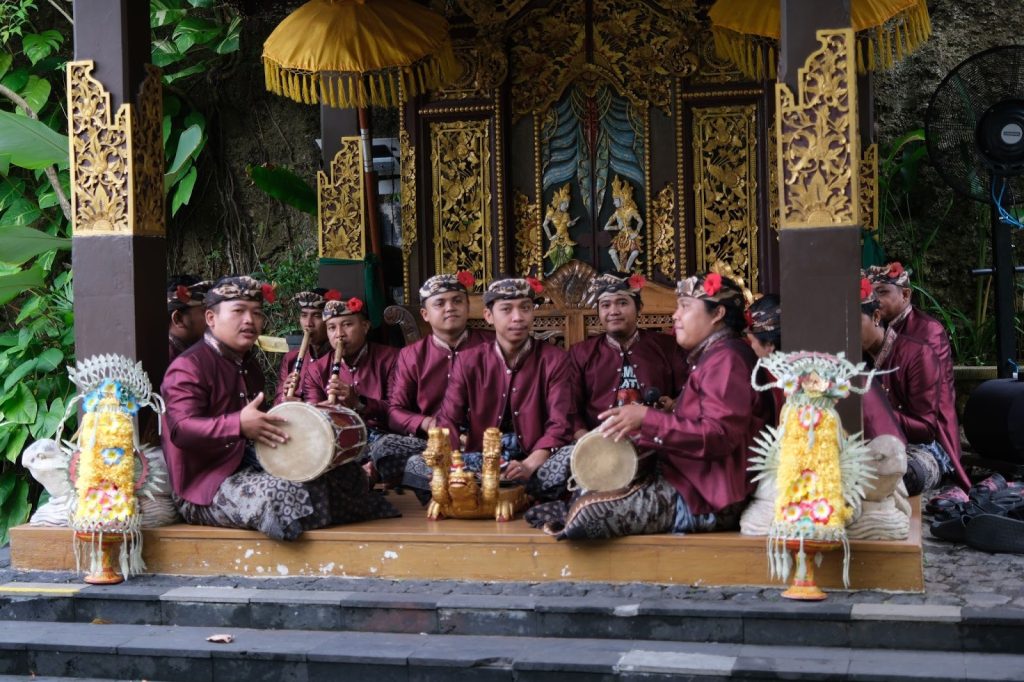
GWK bukan hanya tempat pertunjukan, tapi juga rumah kedua bagi para seniman Bali. Di sini, mereka tidak hanya tampil, tetapi juga berkembang. Banyak generasi muda belajar langsung dari seniornya, membangun regenerasi seni yang berkelanjutan.
Manajemen GWK juga aktif memberikan ruang ekspresi, menyediakan pelatihan, dan mendukung berbagai kolaborasi lintas disiplin. Hal ini menciptakan lingkungan di mana seni tidak hanya bertahan, tetapi terus berevolusi.
Setiap detik di panggung GWK menjadi bukti bahwa budaya Bali bukan sekadar kenangan masa lalu. Ia hidup, bernafas, dan terus menari di hati para seniman Bali yang mencintainya sepenuh jiwa.
Baca juga: GWK Cultural Park: Pusat Seni Pertunjukan Termegah di Pulau Bali
Dampak Sosial dan Budaya: Dari GWK untuk Bali
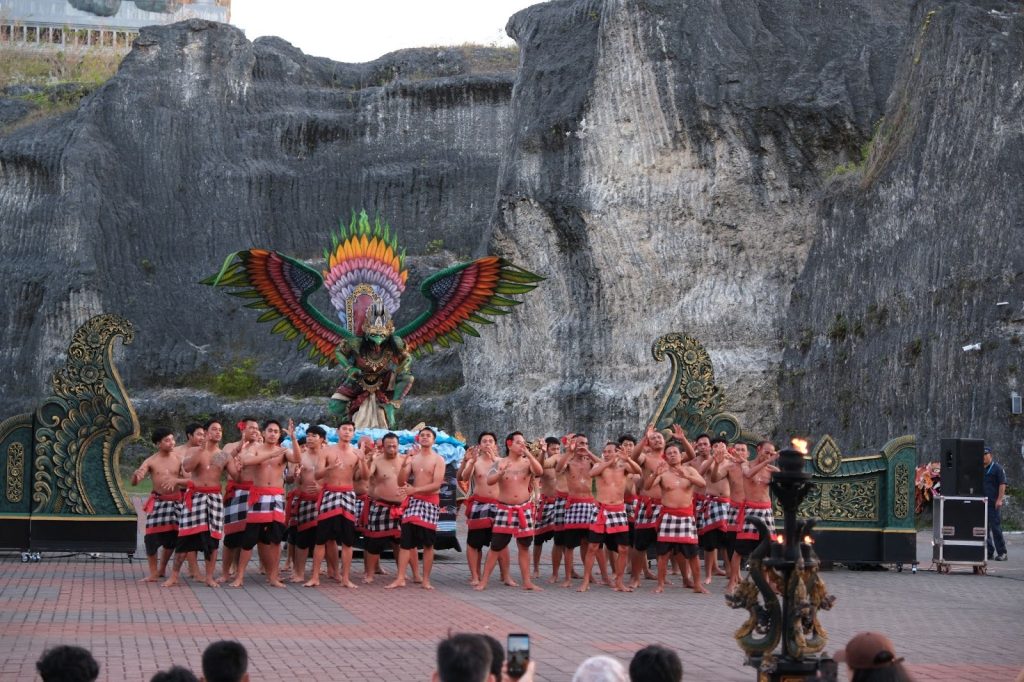
GWK Bali bukan hanya menjadi wadah untuk mengekspresikan seni dan budaya Pulau Dewata. Lebih dari itu, berbagai pertunjukan seni yang digelar di GWK juga memberikan dampak yang lebih luas, terutama dari segi sosial dan pelestarian budaya. Berikut penjelasannya!
1. Peluang Kerja dan Kebanggaan Lokal
GWK membuka lapangan kerja bagi ratusan seniman Bali dari berbagai daerah. Mereka dapat berkarya tanpa harus meninggalkan tanah kelahiran. Lebih dari sekadar penghasilan, hal ini menumbuhkan rasa bangga akan budaya sendiri.
2. Pelestarian Budaya
Pertunjukan rutin di GWK menjadi sarana efektif dalam menjaga agar seni tari dan musik Bali tetap lestari. Setiap hari, ribuan pengunjung menyaksikan pertunjukan yang menggambarkan nilai spiritual, keindahan, dan kearifan lokal Bali.
3. Inspirasi bagi Generasi Muda
Banyak anak muda terinspirasi setelah menyaksikan pertunjukan di GWK. Mereka mulai belajar menari, memainkan gamelan, atau mendesain kostum tradisional. Regenerasi ini menunjukkan bahwa peran seniman Bali bukan hanya individu yang bertugas melestarikan, tetapi juga inspirator masa depan.
Baca juga: Serunya Menjelajah GWK Cultural Park Saat Liburan Keluarga di Bali
Di balik kemegahan setiap panggung di GWK Cultural Park, berdiri teguh para seniman Bali yang mendedikasikan hidupnya untuk melestarikan seni dan budaya Pulau Dewata. Mereka adalah wajah yang jarang terlihat di depan kamera, namun tanpa mereka, setiap pertunjukan tak akan memiliki jiwa.
Jadi, saat Anda berkunjung ke GWK, luangkan waktu sejenak untuk menyapa mereka. Nikmati bukan hanya keindahan pertunjukannya, tetapi juga apresiasi atas semangat para seniman Bali yang menjaga warisan leluhur agar terus hidup, menari, dan bergaung di masa depan.
Saksikan Keajaiban Seni Bali di GWK Cultural Park
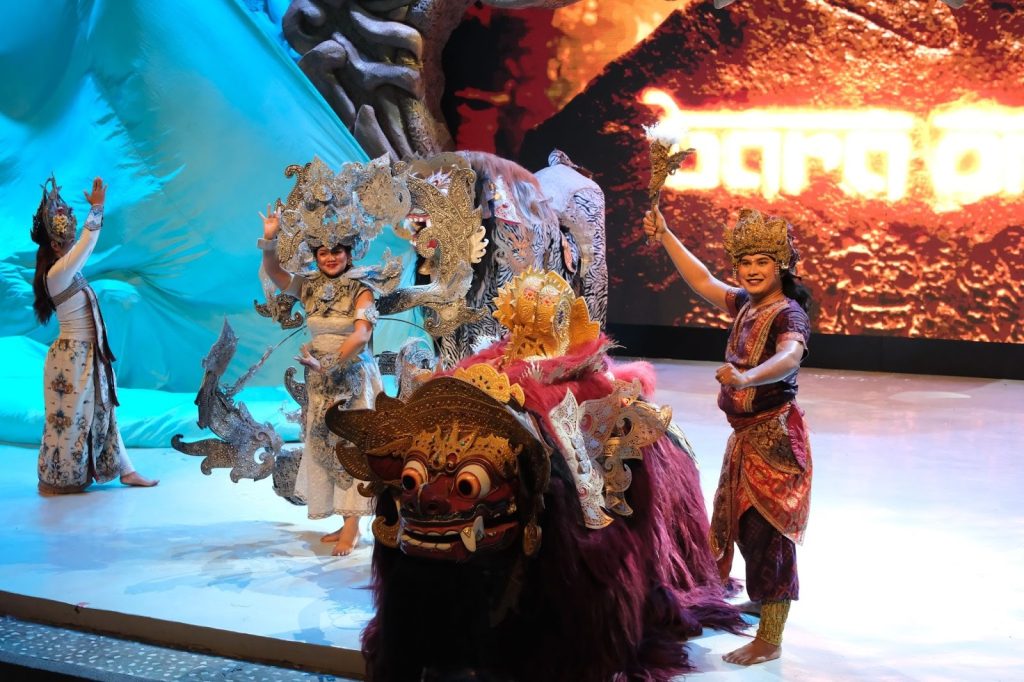
Rasakan langsung kehangatan dan keindahan karya para seniman Bali hanya di GWK Cultural Park, tempat budaya, musik, dan tarian berpadu dalam satu harmoni.Kunjungi GWK Bali hari ini, nikmati pertunjukan budaya harian yang memukau, dan jadilah bagian dari perjalanan menjaga warisan seni Bali untuk generasi mendatang. Klik di sini untuk reservasi tiket secara online!